Complete Home Inspection Guide for South County Residential Buyers
Protect your investment with a comprehensive checklist for evaluating residential properties in Saint Louis, Imperial, Arnold, and Fenton.

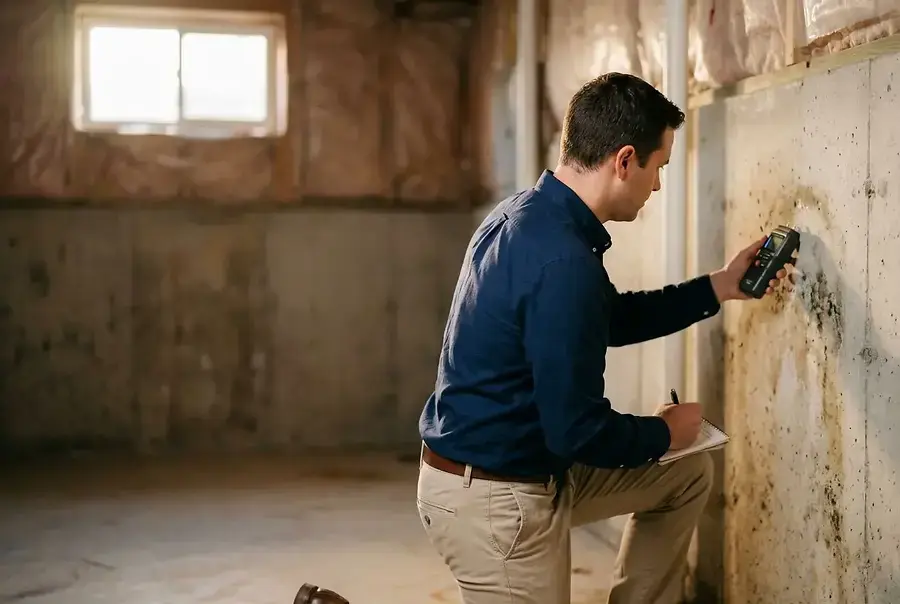
Understanding the Home Inspection Process and Why It Matters
Purchasing a home is one of the most significant financial decisions you'll make in your lifetime. A professional home inspection is your opportunity to uncover hidden problems before you commit to the purchase. In South County communities like Saint Louis, Imperial, Arnold, and Fenton, residential properties vary widely in age and condition, making thorough inspections essential.
A comprehensive home inspection typically takes 2-3 hours and involves a certified inspector examining the property's structural integrity, mechanical systems, and safety features. This process protects you from inheriting expensive repairs and gives you leverage in negotiations. Rather than relying solely on the seller's disclosures, you gain independent verification of the property's true condition.
Understanding what inspectors look for and how to interpret their findings empowers you to make informed decisions. Whether you're a first-time buyer or an experienced investor, knowing what questions to ask and what concerns to prioritize is crucial for South County real estate success.
Key Areas to Evaluate: Structural, Systems, and Safety Concerns
Structural Components
The foundation is the backbone of any home. Inspectors examine foundations for cracks, settling, water damage, and signs of structural movement. Even minor foundation issues can escalate into costly problems if left unaddressed. Look for:
- Horizontal or diagonal cracks in basement walls
- Bowing or leaning walls
- Water stains or moisture damage
- Uneven floors or doors that stick
Roof condition directly impacts your home's protection from the elements. Inspectors assess shingle condition, flashing integrity, and ventilation. South County's weather patterns can be tough on roofing materials, so understanding the roof's remaining lifespan is critical.
Mechanical and Electrical Systems
HVAC systems, plumbing, and electrical wiring are expensive to replace. Professional inspectors evaluate:
- Furnace and air conditioning efficiency and age
- Water heater capacity and condition
- Plumbing for leaks, corrosion, and proper drainage
- Electrical panel safety and capacity
- Presence of outdated wiring like knob-and-tube or aluminum
Older homes in South County may have outdated systems requiring upgrades. Understanding the age and condition of these systems helps you budget for future replacements.
Safety Features and Environmental Concerns
Safety inspections identify hazards that could affect your family's wellbeing. Key concerns include:
- Presence of asbestos in insulation, flooring, or roofing
- Lead paint in homes built before 1978
- Radon gas levels
- Mold and moisture issues
- Carbon monoxide detector functionality
- Proper stair railings and handrails
These environmental hazards may require professional remediation, which can be expensive. Testing for radon and lead is particularly important in South County properties.
Red Flags and Deal-Breakers to Watch For
Major Structural Issues
Certain findings should raise serious concerns: Foundation cracks wider than 1/4 inch, evidence of water intrusion in basements, or structural damage from settling or shifting. These issues often require expensive repairs and can affect the home's resale value.
Outdated or Failing Systems
A furnace nearing the end of its lifespan (typically 15-20 years), a roof with significant damage, or a water heater showing signs of corrosion are red flags. Replacing these systems can cost thousands of dollars. Ask your inspector for estimated replacement costs and timelines.
Water Damage and Moisture Problems
Water damage indicates potential mold growth, structural decay, and ongoing moisture issues. Look for:
- Staining on ceilings or walls
- Soft or spongy wood
- Musty odors
- Evidence of previous water damage repairs
Moisture problems are particularly concerning in South County's climate and can lead to expensive remediation.
Pest Infestation
Evidence of termites, carpenter ants, or rodents should be taken seriously. Professional pest control and structural repairs may be necessary. Some infestations indicate deeper moisture or structural problems.
Using Inspection Results to Negotiate and Make Confident Offers
Interpreting the Inspection Report
Your inspector will provide a detailed report categorizing findings by severity. Focus on major issues first, then consider minor repairs. Not every finding requires renegotiation—some issues are normal wear and tear. Discuss the report with your real estate agent to understand which items are negotiable.
Negotiation Strategies
Armed with inspection findings, you have several options:
- Request repairs: Ask the seller to fix major issues before closing
- Request credits: Negotiate a price reduction to cover repairs yourself
- Request inspections: Hire specialists for specific concerns like foundation or pest issues
- Walk away: If major issues exceed your budget or comfort level, you can withdraw your offer
In South County's competitive market, understanding which issues are worth negotiating helps you stay competitive while protecting your interests.
Making Your Final Decision
After reviewing the inspection report and negotiating any necessary repairs or credits, you're in a position to make a confident offer. Remember that no home is perfect, but understanding the property's true condition allows you to budget appropriately and avoid costly surprises after closing.
Work closely with your real estate agent and consider hiring specialists for any concerns that warrant deeper investigation. This thorough approach ensures you're making an informed decision about one of the most important purchases of your life.
Pro Tip: Always attend the home inspection if possible. Walking through with the inspector allows you to ask questions and understand the property's condition firsthand.