Complete Home Inspection Guide for Southern California Buyers
Protect your investment by knowing what to look for during a residential property inspection in San Ramon, Beverly Hills, Los Angeles, Calabasas, and Ventura.

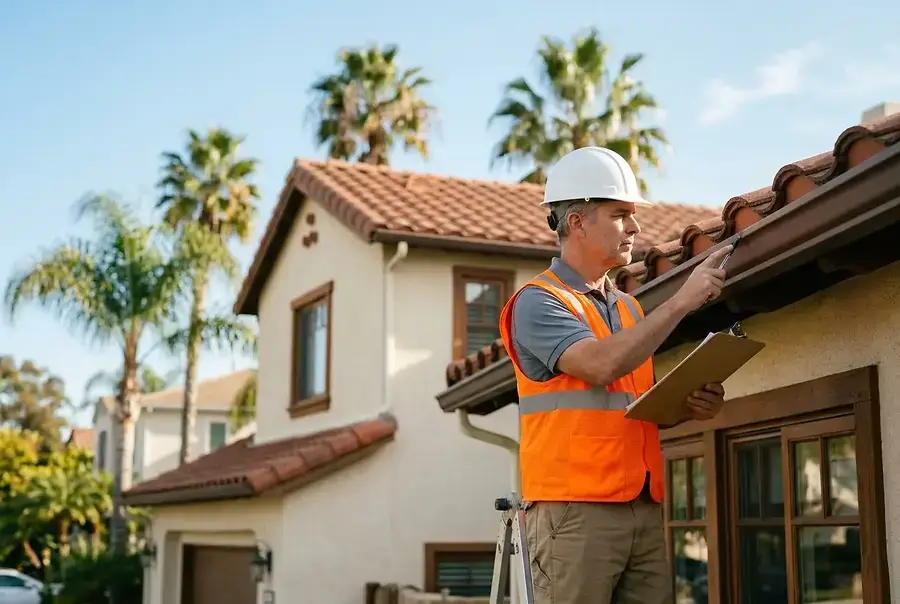
Why Home Inspections Matter in California's Competitive Markets
In Southern California's fast-paced real estate market, home inspections are more critical than ever. Whether you're purchasing a property in San Ramon, Beverly Hills, Los Angeles, Calabasas, or Ventura, a thorough inspection can save you thousands of dollars in unexpected repairs and provide peace of mind about your investment.
California's unique climate and diverse property types—from coastal homes to desert properties—present specific challenges that require expert evaluation. A professional home inspection is not just a formality; it's your opportunity to uncover potential issues before they become costly problems. In competitive markets where properties sell quickly, having a qualified inspector review the property gives you leverage in negotiations and protects your financial interests.
Many buyers skip or rush through inspections to make their offers more attractive, but this approach can backfire. Hidden structural damage, outdated electrical systems, or plumbing issues can cost tens of thousands to repair. An inspection report provides documentation that can be used to request repairs, credits, or price reductions from the seller.
Key Areas to Evaluate: Structural, Systems, and Safety Components
Foundation and Structural Integrity
The foundation is the backbone of any home. Inspectors should look for:
- Cracks in the foundation or basement walls
- Signs of settling or shifting
- Water damage or moisture intrusion
- Proper grading around the property to ensure water drains away from the foundation
In Southern California, where earthquake activity is a concern, structural integrity is particularly important. A solid foundation can mean the difference between a home that withstands seismic activity and one that suffers significant damage.
Roof and Exterior
The roof protects everything beneath it. Your inspector should evaluate:
- Roof age and remaining lifespan
- Shingles or tiles for damage, missing pieces, or deterioration
- Flashing around chimneys, vents, and skylights
- Gutters and downspouts for proper drainage
- Exterior walls for cracks, rot, or water damage
Southern California's intense sun exposure can accelerate roof deterioration, making this inspection particularly valuable.
Plumbing and Water Systems
Water-related issues are among the most expensive to repair. Inspectors check:
- Water pressure and flow
- Pipe materials and condition (older homes may have outdated pipes)
- Water heater age and functionality
- Signs of leaks or water damage
- Septic systems or sewer connections
Electrical Systems
Electrical safety is non-negotiable. Your inspector should verify:
- Panel capacity and condition
- Proper grounding and bonding
- GFCI outlets in bathrooms and kitchens
- Adequate outlets and no signs of overloading
- Compliance with current electrical codes
HVAC and Climate Control
In Southern California's warm climate, air conditioning is essential. Inspectors evaluate:
- Age and condition of heating and cooling systems
- Proper refrigerant levels
- Ductwork integrity
- Thermostat functionality
Safety Features
Don't overlook critical safety components:
- Smoke and carbon monoxide detectors
- Fire extinguishers
- Handrails and stair safety
- Pool safety features (if applicable)
- Proper ventilation in bathrooms and kitchens
Regional Considerations for Southern California Properties
Earthquake and Seismic Concerns
Southern California's location on the Pacific Ring of Fire means earthquake preparedness is essential. Look for homes with proper foundation bolting, flexible utility connections, and structural reinforcement. Older homes built before modern seismic codes may require retrofitting.
Fire and Wildfire Risk
Properties in areas prone to wildfires need special attention. Inspectors should evaluate:
- Defensible space around the property
- Roof and exterior materials' fire resistance
- Proper clearance from trees and vegetation
- Access for emergency vehicles
Water and Drought Considerations
California's water challenges affect property values and maintenance costs. Check for:
- Efficient irrigation systems
- Water-wise landscaping
- Pool and spa maintenance systems
- Drought-resistant features
Coastal Property Specifics
If you're buying in Ventura or other coastal areas, additional concerns include:
- Salt air corrosion on metal components
- Moisture and mold issues
- Proper waterproofing and drainage
- Proximity to flood zones
Local Building Codes and Permits
Each Southern California community has specific building codes. Verify that renovations and additions have proper permits and inspections. Unpermitted work can create liability issues and complicate future sales.
Next Steps After Your Inspection Report
Review and Understand the Report
Take time to carefully read your inspection report. Ask your inspector to explain any findings you don't understand. Don't ignore items marked as "safety concerns" or "major repairs needed."
Prioritize Issues
Categorize findings into three groups:
- Critical: Safety hazards or major structural issues requiring immediate attention
- Important: Systems nearing end of life or showing significant wear
- Minor: Cosmetic issues or routine maintenance items
Get Specialist Inspections
For major concerns, hire specialists. Pest inspectors, structural engineers, or HVAC technicians can provide detailed assessments and repair estimates.
Negotiate with the Seller
Use your inspection report as a negotiation tool. Request repairs, credits toward closing costs, or price reductions based on findings. In Southern California's competitive market, having documentation strengthens your position.
Plan Your Budget
Factor inspection findings into your long-term budget. Even minor issues add up. Set aside funds for maintenance and anticipated repairs.
A comprehensive home inspection is one of the most important steps in your Southern California home purchase. By understanding what to look for and taking action on the findings, you're protecting your investment and ensuring your new home is safe, sound, and ready for years of enjoyment.