Complete Home Inspection Guide for Southwest Metro Homebuyers
Essential steps to protect your investment when buying an existing home in the Twin Cities suburbs.

Introduction: Why Home Inspections Matter in the Competitive Southwest Metro Market
Purchasing a home in the Southwest Metro is one of the most significant investments you'll make. In today's competitive real estate market, many buyers feel pressured to waive inspections or skip thorough evaluations to make their offers more attractive. This is a critical mistake that can cost you thousands of dollars in unexpected repairs.
A professional home inspection provides an objective assessment of a property's condition, revealing hidden problems before you commit to the purchase. For Southwest Metro homebuyers, understanding what inspectors look for—and why—empowers you to make informed decisions and protect your financial interests.
Critical Systems to Evaluate: Roof, Foundation, HVAC and Plumbing
The Roof: Your Home's First Line of Defense
The roof is one of the most expensive systems to replace, making it a priority during any inspection. Inspectors will evaluate:
- Shingle condition and signs of deterioration or missing pieces
- Flashing around chimneys, vents, and skylights
- Gutters and downspouts for proper drainage
- Evidence of leaks or water damage in the attic
A well-maintained roof can last 20-25 years, but poor maintenance or weather damage can significantly reduce its lifespan. Ask your inspector for an estimate of remaining roof life—this information is crucial for negotiation.
Foundation: The Backbone of Your Home
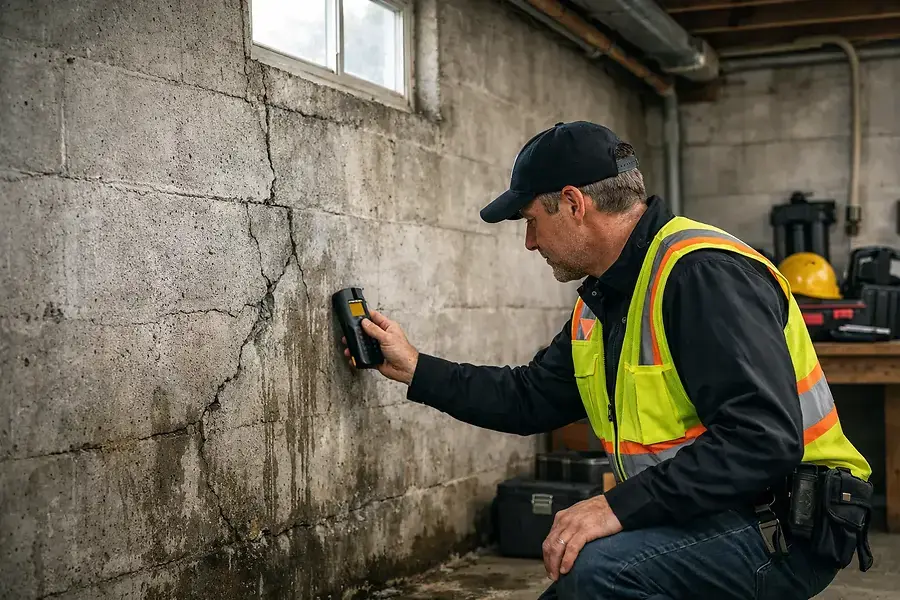
Foundation problems are serious and expensive to repair. Inspectors look for:
- Cracks in concrete or basement walls
- Signs of water intrusion or moisture
- Uneven floors or settling
- Proper grading around the foundation to direct water away
Minor cracks are common and often not concerning, but diagonal or horizontal cracks may indicate structural issues. Water in the basement is a red flag that requires immediate attention and can lead to mold growth and structural damage.
HVAC Systems: Comfort and Efficiency
Heating and cooling systems are essential in Minnesota's climate. During inspection, professionals evaluate:
- Age and condition of furnace and air conditioning units
- Proper operation and temperature control
- Ductwork for leaks or disconnections
- Thermostat functionality
A furnace typically lasts 15-20 years. If the system is nearing the end of its life, budget for replacement costs in your offer negotiations. Proper maintenance records are a good sign that the system has been well-cared for.
Plumbing: Water Supply and Drainage
Plumbing issues can range from minor inconveniences to major water damage. Inspectors check:
- Water pressure and flow from fixtures
- Condition of pipes (galvanized, copper, PVC, or PEX)
- Signs of leaks under sinks or in walls
- Proper drainage and sewer line function
- Water heater age and condition
Older homes may have galvanized pipes that are prone to corrosion and reduced water flow. Replacing plumbing throughout a home is expensive, so understanding the system's age and condition is vital for your decision-making process.
Seasonal Considerations for Minnesota Homes: Freeze-Thaw Damage and Winter Weathering
Understanding Minnesota's Impact on Home Structures
Minnesota's harsh winters create unique challenges for homeowners. The freeze-thaw cycle—where water freezes and expands, then thaws and contracts—causes significant damage to roofs, foundations, and exterior surfaces.
Freeze-Thaw Damage Indicators
During your inspection, look for these common signs of freeze-thaw damage:
- Spalling or flaking concrete on driveways, patios, and foundations
- Cracks in brick or mortar joints
- Deteriorating roof shingles or flashing
- Gaps between siding and trim where water can penetrate
These issues may seem cosmetic, but they allow water infiltration that leads to more serious structural problems. Prevention through proper maintenance is far less expensive than repair.
Winter Weathering and Insulation
Minnesota winters demand excellent insulation and weatherproofing. Your inspector will assess:
- Attic insulation levels and ventilation
- Caulking and weatherstripping around windows and doors
- Proper ventilation to prevent ice dams
- Basement or crawl space moisture control
Poor insulation and ventilation can lead to ice dams, which cause water damage and are expensive to remedy. Adequate attic ventilation is critical for preventing moisture buildup and extending roof life.
Conclusion: Using Inspection Results to Negotiate and Make Confident Offers
Once you receive your inspection report, you have several options:
- Request repairs: Ask the seller to fix significant issues before closing
- Request credits: Negotiate a price reduction to cover repair costs yourself
- Walk away: If major issues exist, you may decide the property isn't worth the investment
- Accept as-is: If issues are minor and you're comfortable with the costs, proceed with confidence
The inspection report is your negotiating tool and your protection. Don't skip this critical step in your home-buying journey. A thorough inspection in the Southwest Metro market gives you the information needed to make confident offers and protect your investment for years to come.
Remember: A $500 inspection can save you thousands in unexpected repairs and provide peace of mind in one of life's biggest purchases.


