Complete Home Inspection Guide for Southwest Michigan Homebuyers
Protect your investment by understanding what inspectors look for in Saint Joseph, South Haven, Niles, and Benton Harbor homes.

Why Home Inspections Matter in Southwest Michigan's Diverse Markets
Purchasing a home in Southwest Michigan is an exciting milestone, but it's also one of the most significant financial decisions you'll make. Whether you're buying in the charming lakeside communities of Saint Joseph and South Haven, the historic neighborhoods of Niles, or the waterfront properties of Benton Harbor, a professional home inspection is your best defense against costly surprises.
Southwest Michigan's diverse real estate market features everything from Victorian-era homes to modern lakefront properties. Each property type comes with its own set of potential issues. A thorough home inspection provides an objective assessment of your property's condition before you finalize the purchase, potentially saving you thousands of dollars in unexpected repairs.
Home inspections aren't just about identifying problems—they're about gaining peace of mind. When you understand exactly what you're buying, you can make informed decisions and negotiate from a position of knowledge.
What Professional Inspectors Examine: Key Areas and Red Flags
Structural Components and Foundation
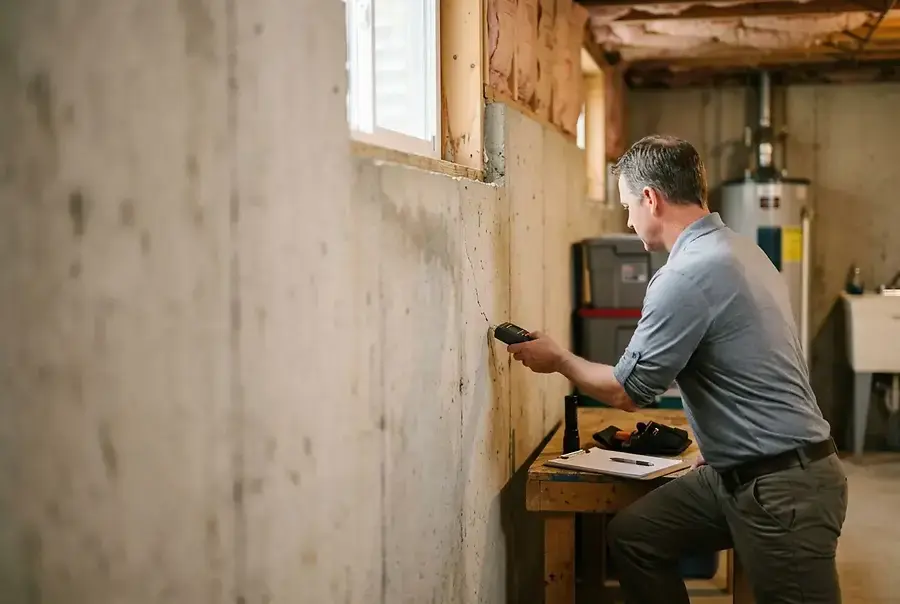
Inspectors begin by evaluating the home's foundation and structural integrity. In Southwest Michigan, where seasonal freeze-thaw cycles are common, foundation issues are particularly important to assess. Look for cracks in the foundation, water damage, or signs of settling, which could indicate serious structural problems.
Roofing and Exterior
The roof is your home's first line of defense against Michigan's variable weather. Inspectors examine:
- Shingle condition and age
- Flashing around chimneys and vents
- Gutters and downspout functionality
- Exterior walls for rot, damage, or deterioration
- Windows and doors for proper sealing
Roof replacement can be one of the most expensive repairs, so understanding its remaining lifespan is crucial for your budget planning.
Plumbing Systems
Inspectors test water pressure, check for leaks, and examine the age and condition of pipes. Older homes in Southwest Michigan may have outdated plumbing systems that require updating. Issues with water supply lines, drainage, and water heater condition are carefully documented.
Electrical Systems
A qualified inspector will evaluate the electrical panel, outlets, and wiring throughout the home. They look for:
- Proper grounding and bonding
- Outdated or unsafe wiring
- Adequate circuit capacity for modern appliances
- GFCI protection in bathrooms and kitchens
HVAC and Climate Control
Heating and cooling systems are essential in Michigan's climate. Inspectors assess the furnace, air conditioning unit, and ductwork for proper operation and maintenance needs. An aging HVAC system may need replacement within a few years, which is important information for your financial planning.
Interior Conditions
Inspectors examine walls, ceilings, and floors for water damage, mold, or pest evidence. They also check:
- Insulation levels in attics
- Basement conditions and moisture control
- Kitchen and bathroom fixtures
- Appliance functionality
How to Choose a Qualified Inspector and Prepare for the Process
Finding the Right Inspector
Not all inspectors are created equal. Look for inspectors who are certified by the American Society of Home Inspectors (ASHI) or the National Association of Home Inspectors (NAHI). Verify their credentials, insurance, and experience with properties similar to the one you're purchasing.
Ask for references from recent clients and read online reviews. A good inspector should be willing to explain their qualifications and answer your questions thoroughly.
Preparing for Your Inspection
Once you've scheduled your inspection, here's how to prepare:
- Plan to attend the inspection—this is your opportunity to ask questions and learn about the property
- Ensure the seller provides access to all areas, including the attic, basement, and crawl spaces
- Request that utilities remain on so the inspector can test systems
- Bring a notebook to jot down questions and observations
The inspection typically takes 2-3 hours, depending on the home's size and complexity. Stay engaged throughout the process and ask the inspector to explain any concerns they identify.
Understanding the Inspection Report
After the inspection, you'll receive a detailed report categorizing findings by severity. Items are typically classified as:
- Safety Issues: Problems that pose immediate danger
- Major Repairs: Significant issues requiring professional attention
- Minor Repairs: Small issues that should be addressed
- Maintenance Items: Regular upkeep recommendations
Using Inspection Results to Negotiate Better Terms and Ensure Peace of Mind
Negotiation Strategies
A thorough inspection report is a powerful negotiation tool. Use documented issues to request repairs, credits, or price reductions. Focus on major safety concerns and significant repairs rather than minor cosmetic issues.
You have several options when inspection issues arise:
- Request the seller make repairs before closing
- Negotiate a credit toward closing costs
- Ask for a price reduction to account for repairs you'll handle
- Request a follow-up inspection after repairs are completed
Building Your Confidence
Beyond negotiation, inspection results provide invaluable peace of mind. You'll know exactly what maintenance and repairs to expect in the coming years, allowing you to budget accordingly. This knowledge transforms you from an anxious buyer into a confident homeowner.
Keep your inspection report for future reference. It serves as a baseline for the property's condition and is helpful when planning renovations or selling the home later.
Moving Forward with Confidence
A professional home inspection is not an expense—it's an investment in your future. Whether you're buying a charming cottage in South Haven, a historic home in Niles, or a waterfront property in Benton Harbor, understanding the property's true condition empowers you to make the best decision for your family and finances.
Remember: the goal of a home inspection isn't to find reasons to walk away from a purchase, but to ensure you're making an informed decision with full knowledge of what you're buying.


