Complete Home Inspection Guide for Springboro and Dayton Homebuyers
Learn what professional inspectors look for and how to protect your investment in Ohio residential properties.

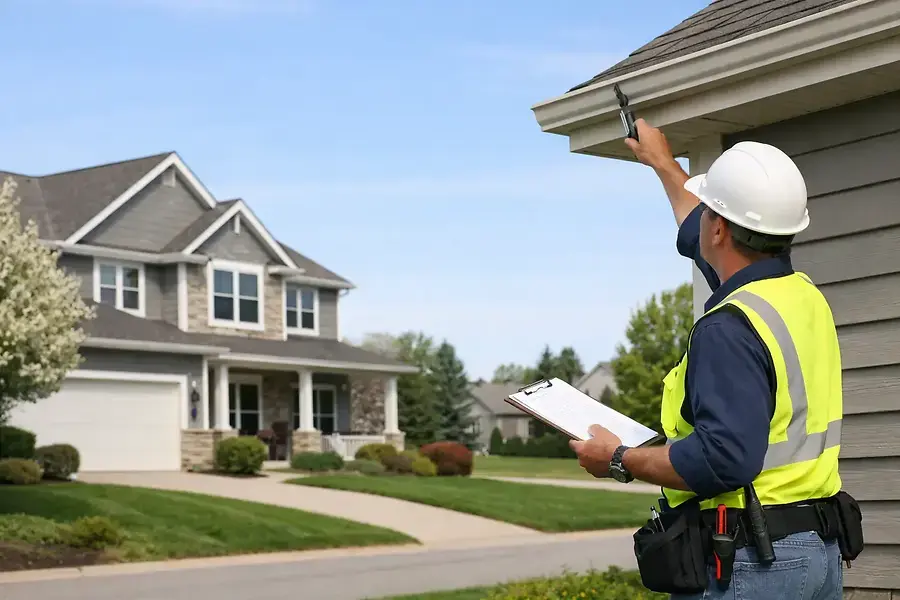
Why Home Inspections Matter in Today's Market
Purchasing a home is one of the most significant financial decisions you'll make in your lifetime. In the competitive real estate markets of Springboro and Dayton, Ohio, a professional home inspection serves as your critical safeguard against costly surprises. Whether you're a first-time homebuyer or an experienced investor, understanding the inspection process empowers you to make informed decisions and protect your investment.
A comprehensive home inspection provides an objective assessment of a property's condition, identifying potential issues before you commit to the purchase. This knowledge gives you leverage in negotiations and helps you budget for future repairs and maintenance. In today's market, skipping this essential step could leave you vulnerable to unexpected expenses that could have been discovered and addressed beforehand.
Key Areas Inspectors Evaluate and Red Flags to Watch For
Structural Components and Foundation
Professional inspectors begin by examining the foundation and structural integrity of the home. They look for signs of settling, cracks, water damage, and moisture intrusion. Red flags include horizontal cracks, bowing walls, or evidence of previous water damage, which could indicate serious structural problems requiring expensive repairs.
Roofing and Exterior
The roof is one of your home's most critical protective barriers. Inspectors evaluate:
- Shingle condition and remaining lifespan
- Flashing around chimneys and vents
- Gutters and downspout functionality
- Exterior siding and caulking integrity
- Window and door seals
Watch for missing shingles, sagging roof lines, or deteriorated flashing, as these issues can lead to costly water damage if not addressed promptly.
Plumbing Systems
Inspectors test water pressure, check for leaks, and evaluate the age and condition of pipes. They examine:
- Water heater age and functionality
- Drain and sewer line conditions
- Presence of outdated materials like galvanized pipes
- Adequate water pressure throughout the home
Older homes in the Dayton area may have outdated plumbing systems that require modernization. Corroded pipes or slow drains are red flags that shouldn't be ignored.
Electrical Systems
A thorough electrical inspection ensures your home meets current safety codes. Inspectors look for:
- Proper grounding and bonding
- Adequate circuit capacity for modern appliances
- GFCI outlets in bathrooms and kitchens
- Outdated wiring or panels
Aluminum wiring, double-tapped breakers, or an undersized electrical panel are serious concerns that may require professional remediation.
HVAC Systems
Heating, ventilation, and air conditioning systems are essential for comfort and indoor air quality. Inspectors evaluate:
- Age and condition of furnace and air conditioning units
- Proper ventilation and ductwork
- Thermostat functionality
- Regular maintenance history
Systems nearing the end of their lifespan should be factored into your purchase decision, as replacement can be costly.
Interior Components
Inspectors also evaluate interior elements including:
- Insulation levels in attic and walls
- Drywall and paint condition
- Flooring integrity
- Doors and windows operation
- Appliance functionality
Negotiating Repairs and Appraisals After Inspection Results
Understanding Your Inspection Report
Once the inspection is complete, you'll receive a detailed report categorizing issues by severity. Major defects require immediate attention, while minor issues may be cosmetic or maintenance-related. Take time to understand each finding and ask your inspector questions about anything unclear.
Developing Your Negotiation Strategy
Armed with inspection results, you have several options:
- Request repairs: Ask the seller to fix major issues before closing
- Request credits: Negotiate a credit toward closing costs to handle repairs yourself
- Request price reduction: Lower the purchase price to account for necessary repairs
- Walk away: If issues are too extensive, you may choose to withdraw from the purchase
In Springboro and Dayton's competitive markets, be strategic about which issues you prioritize. Focus negotiations on structural problems, safety concerns, and major systems rather than cosmetic issues.
Working With Appraisers
The appraisal process is separate from the home inspection but equally important. Appraisers assess market value and may identify issues that affect the property's worth. If the appraisal comes in lower than expected, inspection findings can support your negotiation position with the lender or seller.
Getting Repair Estimates
For significant issues, obtain written estimates from licensed contractors. This documentation strengthens your negotiating position and provides clarity on actual repair costs. Don't rely solely on inspector recommendations—get professional quotes for major work.
Making Informed Decisions With Inspection Data
A home inspection is an investment in peace of mind. By understanding what inspectors evaluate and recognizing red flags, you position yourself as a knowledgeable buyer capable of making sound decisions. Whether you're purchasing your first home in Springboro or adding to your portfolio in Dayton, this knowledge protects your financial interests.
Remember: a thorough home inspection isn't about finding reasons to walk away—it's about understanding exactly what you're purchasing and planning accordingly.
Take your time reviewing inspection results, ask questions, and don't hesitate to seek professional advice. Your real estate agent and inspector are valuable resources throughout this process. By approaching the inspection with diligence and informed perspective, you'll make a purchase decision you can feel confident about for years to come.


