Complete Home Inspection Guide for Stockton and San Joaquin County Buyers
What residential buyers need to know before closing on their next property in Northern California.

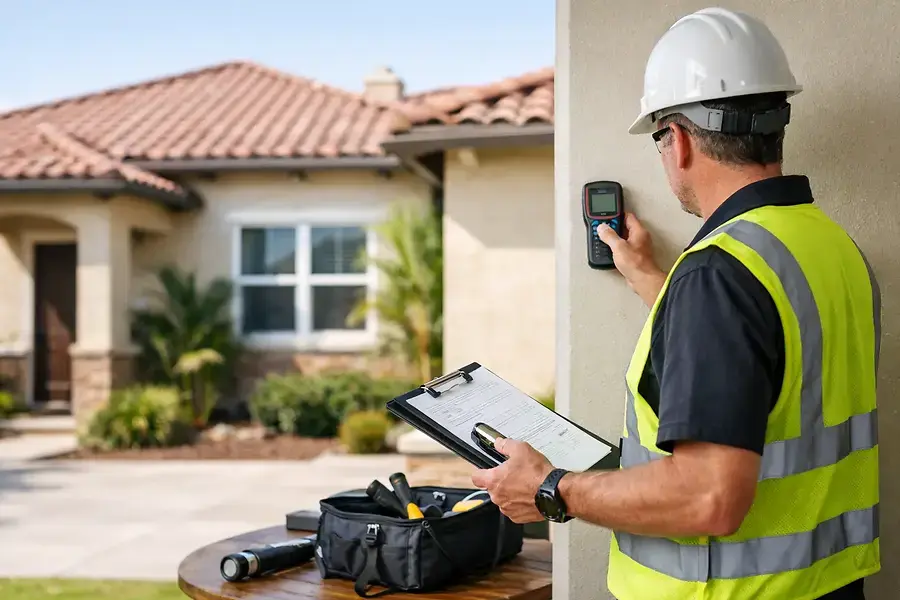
Understanding the Northern California Home Inspection Process
A home inspection is one of the most critical steps in the home buying process. In Stockton and San Joaquin County, this typically involves hiring a licensed inspector to evaluate the property's structural integrity, mechanical systems, and overall condition. The inspection usually takes 2-3 hours and covers everything from the foundation to the roof.
During a standard inspection, the inspector will examine:
- Foundation and structural components
- Roofing materials and condition
- Plumbing and water systems
- Electrical systems and safety
- HVAC systems and heating
- Windows, doors, and exterior elements
- Interior walls, ceilings, and flooring
Pro Tip: Always attend the inspection in person. This gives you the opportunity to ask questions directly and understand the property's condition firsthand.
Common Issues Found in San Joaquin County Homes
Water Damage and Moisture Problems
Given the climate and soil conditions in San Joaquin County, water intrusion is one of the most frequently discovered issues. This can range from minor roof leaks to significant foundation moisture problems. Early detection is crucial as water damage can lead to mold growth and structural deterioration.
Aging HVAC Systems
Many homes in the region have older heating and cooling systems that may not meet current efficiency standards. Replacing an HVAC system can be a significant expense, so understanding the age and condition of existing equipment is essential for budgeting.
Electrical System Concerns
Older homes in Stockton may have outdated electrical panels or wiring that doesn't meet modern safety codes. Aluminum wiring, in particular, has been found in many properties built during the 1960s-1970s and requires careful evaluation.
Pest and Termite Damage
The warm climate of San Joaquin County makes it attractive to termites and other wood-destroying pests. Inspectors will look for signs of infestation, wood rot, and previous pest damage that could affect the home's structural integrity.
Foundation Issues
Soil composition in the region can lead to foundation settling or cracking. While minor cracks are common, significant structural issues require professional engineering evaluation and can impact the home's value and safety.
Red Flags That Require Professional Evaluation
Structural Concerns
If the inspector identifies significant cracks in the foundation, bowing walls, or uneven floors, you should hire a structural engineer for a detailed assessment. Do not proceed without understanding the severity and cost of repairs.
Mold and Asbestos
Any signs of mold growth or suspected asbestos-containing materials warrant professional testing. These issues pose health risks and require specialized remediation by licensed contractors.
Roof Condition
If the roof is nearing the end of its lifespan or shows significant damage, obtain a detailed roofing estimate. Roof replacement is one of the most expensive home repairs and should be factored into your offer.
Plumbing and Sewer Issues
Problems with the main sewer line, corroded pipes, or inadequate water pressure require professional plumbing inspection. A video inspection of the sewer line can reveal blockages or damage that won't be visible during a standard inspection.
Septic System Problems
For properties with septic systems, any signs of failure require immediate professional evaluation. Septic system repairs or replacement can be extremely costly and are critical for health and safety.
"A thorough home inspection can save you thousands of dollars in unexpected repairs and give you peace of mind about your investment."
How to Use Inspection Results in Your Offer and Negotiation Strategy
Request Repairs or Credits
After receiving the inspection report, you have several options. You can request that the seller make specific repairs before closing, ask for a credit toward closing costs, or negotiate a price reduction. Be strategic about which items you prioritize – focus on major systems and safety concerns rather than cosmetic issues.
Obtain Contractor Estimates
For significant issues, get written estimates from licensed contractors. These provide concrete numbers for negotiations and help you understand the true cost of repairs. Sellers are more likely to take your requests seriously when backed by professional estimates.
Prioritize Your Concerns
Not every issue found in an inspection requires negotiation. Focus on:
- Safety hazards
- Major system failures
- Structural problems
- Health concerns (mold, asbestos)
Minor cosmetic issues and normal wear-and-tear are typically the buyer's responsibility after closing.
Know Your Walk-Away Point
Establish a maximum amount you're willing to spend on repairs before making an offer. If inspection results exceed this threshold, you may want to renegotiate or walk away from the deal. It's better to find another property than to overpay for one with significant problems.
Work with Your Real Estate Agent
Your agent can provide valuable insight into local market conditions and what's reasonable to request from sellers. They can also help craft negotiation language that's professional and likely to be accepted.
Final Thought: A home inspection is your opportunity to make an informed decision about one of the largest purchases you'll ever make. Take it seriously, ask questions, and don't hesitate to walk away if the property doesn't meet your standards or budget expectations.


