Complete Home Inspection Guide for Tampa Bay and Clearwater Buyers
Protect your investment by understanding what inspectors look for and how to interpret findings before closing.

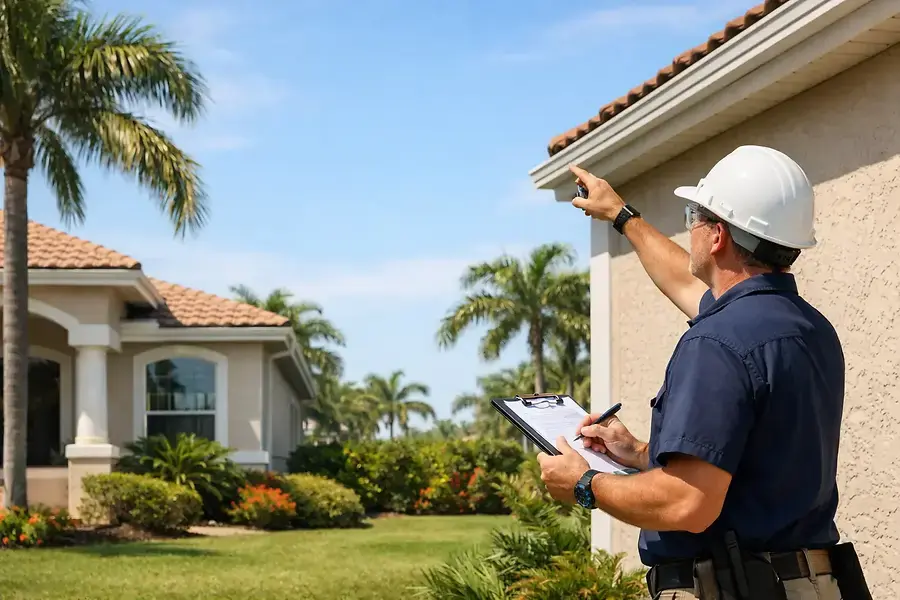
Why Home Inspections Matter in Tampa Bay
Purchasing a home is one of the largest financial investments you'll ever make. In the Tampa Bay and Clearwater area, where humidity, salt air, and intense weather conditions can accelerate wear and tear on properties, a comprehensive home inspection is absolutely essential. A professional home inspection provides an objective assessment of your potential property's condition, helping you make informed decisions and avoid costly surprises after closing.
Many buyers skip or rush through inspections to speed up the purchasing process, but this is a critical mistake. An inspection typically costs between $300 and $500—a small fraction of your total investment that could save you thousands in unexpected repairs. Florida's unique climate and construction challenges make inspections even more valuable for local buyers.
Key Areas Inspectors Evaluate in Florida Homes
Roof and Exterior
Florida's intense sun, salt spray, and hurricane-force winds take a serious toll on roofing materials. Inspectors examine shingles for deterioration, missing pieces, and proper fastening. They also check for:
- Flashing around chimneys and vents
- Gutters and downspout conditions
- Signs of water damage or leaks
- Structural integrity and proper slope for drainage
A roof replacement in Florida can cost $10,000 to $25,000 or more, making this inspection area particularly important.
Foundation and Structural Systems
Florida's sandy soil and high water table create unique foundation challenges. Inspectors look for:
- Cracks in concrete or foundation walls
- Signs of settling or shifting
- Moisture intrusion or standing water
- Proper drainage away from the home
Foundation issues can be expensive to repair and may indicate larger structural problems, so this area receives careful attention.
Plumbing Systems
Florida's corrosive environment and older plumbing infrastructure make plumbing inspections critical. Inspectors evaluate:
- Water pressure and flow rates
- Pipe material and condition (polybutylene pipes are a red flag)
- Water heater age and functionality
- Septic systems or sewer connections
- Evidence of leaks or water damage
Electrical Systems
A safe electrical system is non-negotiable. Inspectors check:
- Panel capacity and breaker conditions
- Grounding and bonding
- GFCI outlets in wet areas
- Proper wiring and connections
- Outdated systems like aluminum wiring
HVAC and Climate Control
Air conditioning is essential in Florida. Inspectors assess:
- Unit age and operational efficiency
- Proper refrigerant levels
- Ductwork condition and sealing
- Thermostat functionality
Moisture and Mold Concerns
Florida's humidity creates ideal conditions for mold growth. Inspectors look for:
- Visible mold or mildew
- Water stains on ceilings and walls
- Musty odors
- Proper ventilation in bathrooms and kitchens
- Evidence of past water intrusion
Understanding Inspection Reports and Red Flags
How to Read Your Inspection Report
Professional inspection reports typically categorize findings into three levels: safety issues, major repairs, and minor maintenance items. Understanding this hierarchy helps you prioritize concerns and negotiate effectively.
Safety Issues require immediate attention and may include electrical hazards, structural problems, or mold. These are non-negotiable and should be addressed before closing.
Major Repairs are significant but not immediately dangerous. Examples include roof replacement, HVAC system failure, or foundation cracks. These items are typically negotiable in the purchase agreement.
Minor Maintenance includes routine upkeep like caulking, paint touch-ups, or filter replacements. These are generally the buyer's responsibility after closing.
Red Flags to Watch For
Certain findings should raise serious concerns:
- Polybutylene plumbing: This material is prone to failure and may be difficult to insure
- Aluminum wiring: Creates fire hazards and insurance complications
- Extensive mold: Indicates moisture problems and potential health risks
- Roof age over 20 years: Likely needs replacement soon
- Foundation cracks: May indicate structural movement or water intrusion
- Outdated electrical panels: May lack capacity for modern needs
- Evidence of past flooding: Suggests vulnerability to future water damage
What to Do With Your Inspection Results
After receiving your inspection report, you have several options:
- Request repairs: Ask the seller to fix major issues before closing
- Request credits: Negotiate a price reduction to cover repairs yourself
- Walk away: If issues are too severe, you may terminate the purchase
- Accept as-is: Proceed with the purchase knowing the property's condition
Most purchase agreements include an inspection contingency period—typically 7 to 10 days—during which you can negotiate based on findings. Use this time wisely to consult with contractors about repair costs if needed.
Making Informed Decisions with Inspection Data
A home inspection is your opportunity to understand exactly what you're buying. Don't skip the walk-through with your inspector—ask questions and request explanations of any concerns. Understanding the "why" behind findings helps you make better decisions.
Consider hiring specialized inspectors for specific concerns. If the general inspection reveals potential mold, hire a mold specialist. If there are foundation questions, consult a structural engineer. These additional inspections cost more but provide peace of mind.
Remember that no home is perfect. The goal isn't to find a flawless property but to understand what you're purchasing and budget accordingly. A home with known issues you can plan for is better than one with hidden problems that emerge after closing.
By taking home inspections seriously and understanding what inspectors evaluate, you protect your investment and make confident decisions about your Tampa Bay or Clearwater home purchase. Your future self will thank you for the diligence you invest today.


