Complete Home Inspection Guide for Tampa, Orlando & Wesley Chapel
Discover what to expect during your home inspection and how to protect your investment in Florida's competitive real estate market.

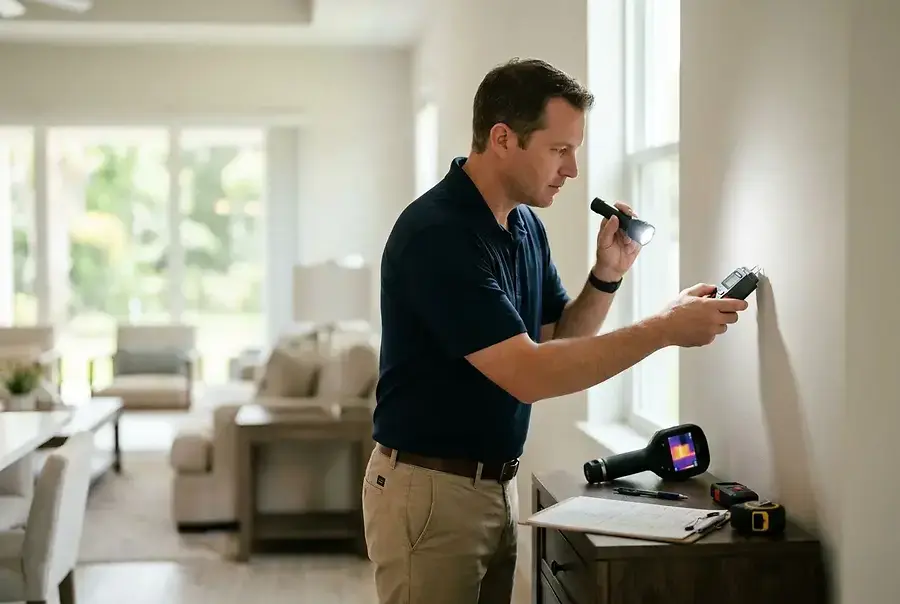
Why Home Inspections Are Critical in Florida
Purchasing a home is one of the most significant investments you'll make in your lifetime. In Florida's competitive real estate market—particularly in thriving areas like Tampa, Orlando, and Wesley Chapel—a thorough home inspection is not just recommended; it's essential. Home inspections serve as your safeguard against hidden defects, structural issues, and costly repairs that could drain your finances after closing.
Florida's unique climate presents specific challenges that inspectors must evaluate. The intense heat, humidity, and occasional severe weather can accelerate wear and tear on homes. Additionally, the risk of water damage, mold, and pest infestations is significantly higher in this region than in many other parts of the country. A professional home inspection gives you the knowledge and leverage you need to negotiate repairs or price adjustments before you commit to your purchase.
Without a proper inspection, you could inherit problems that weren't immediately visible during your walkthrough. This guide will help you understand what inspectors look for and how to use that information to protect your investment.
Essential Areas Every Inspector Should Evaluate
Structural Integrity and Foundation
The foundation is the backbone of any home. Florida's sandy soil and high water table create unique foundation challenges. Inspectors will look for cracks, settling, and signs of water intrusion. They'll examine the concrete slab, check for proper drainage around the foundation, and assess whether any structural repairs have been made. Foundation issues can be expensive to repair, making this one of the most critical inspection areas.
Roofing and Weather Protection
Florida's intense sun and hurricane-prone weather make roofing particularly important. Inspectors evaluate:
- Roof age and remaining lifespan
- Missing, damaged, or deteriorating shingles
- Proper flashing around chimneys and vents
- Signs of leaks or water damage in the attic
- Gutter condition and proper drainage
A roof replacement can cost thousands of dollars, so understanding its condition is crucial for your budget planning.
Plumbing Systems
Florida homes often deal with water-related issues due to the high water table and humidity. Inspectors will check:
- Water pressure and flow throughout the home
- Pipe material and condition (older homes may have corroded pipes)
- Signs of leaks under sinks and around toilets
- Proper drainage in bathrooms and kitchen
- Water heater age and functionality
Water damage is one of the most common and costly issues in Florida homes. A thorough plumbing inspection can identify problems before they become emergencies.
Electrical Systems
Electrical safety is paramount. Inspectors examine the main panel, circuit breakers, outlets, and wiring throughout the home. They'll verify that the electrical system meets current code requirements and can safely handle modern appliance loads. Outdated or faulty electrical systems pose serious safety risks and may require costly upgrades.
HVAC and Climate Control
In Florida's hot and humid climate, air conditioning isn't a luxury—it's a necessity. Inspectors evaluate:
- Age and condition of the AC unit
- Proper refrigerant levels
- Ductwork integrity and insulation
- Thermostat functionality
- Regular maintenance records
A failing AC system in Florida can be unbearable and expensive to replace, so this inspection area deserves careful attention.
Mold and Moisture Issues
Florida's humidity creates an ideal environment for mold growth. While standard inspections don't always include mold testing, inspectors will look for visible signs of mold, water stains, and moisture problems. If mold is suspected, you may want to hire a specialized mold inspector. Addressing moisture issues early can prevent expensive mold remediation later.
Pest Infestations
Termites, cockroaches, and other pests thrive in Florida's warm climate. Inspectors will look for signs of pest damage, particularly in wooden structures. Many buyers also hire a separate pest inspection to ensure complete protection against these costly invaders.
Understanding Inspection Reports and Next Steps
What to Expect in Your Report
A comprehensive home inspection report will include detailed findings organized by system and area. Reports typically categorize issues as:
- Critical Issues: Problems that pose safety risks or require immediate attention
- Major Issues: Significant repairs needed that could be costly
- Minor Issues: Small repairs or maintenance items
- Recommendations: Suggestions for future maintenance or upgrades
The report should include photos, descriptions of problems, and sometimes repair cost estimates. Take time to review it thoroughly and ask your inspector questions about anything you don't understand.
Using Your Inspection Results
Once you have your inspection report, you have several options:
- Negotiate repairs: Ask the seller to fix critical issues before closing
- Request a price reduction: Have the seller lower the price to account for repairs you'll handle
- Request a credit: Receive funds at closing to cover repair costs
- Walk away: If issues are too severe or costly, you may choose not to proceed
Your real estate agent and attorney can help you navigate these negotiations.
Remember: the inspection period is your opportunity to make an informed decision about your investment.
When to Hire Specialists
While general home inspectors cover most areas, you may want specialized inspections for:
- Mold and indoor air quality
- Pest and termite damage
- Pool and spa systems
- Septic systems
- Radon testing
These specialized inspections provide deeper insights into specific concerns and can be well worth the investment.
Using Inspections to Make Confident Purchase Decisions
A home inspection is your opportunity to become an informed buyer. It levels the playing field in Florida's competitive real estate market and gives you the knowledge to make decisions based on facts rather than emotions. Whether you're buying in Tampa's bustling urban neighborhoods, Orlando's diverse communities, or Wesley Chapel's growing suburban areas, a thorough inspection protects your interests.
Don't view the inspection as a hurdle to overcome—see it as an investment in your peace of mind. The few hundred dollars spent on a professional inspection can save you thousands in unexpected repairs and help you avoid purchasing a property with serious hidden problems.
Take your time reviewing the inspection report, ask questions, and use the findings to negotiate confidently. With this knowledge in hand, you'll be well-equipped to make one of the most important decisions of your life with confidence and clarity.


