Complete Home Inspection Guide for Tucson, Oro Valley & Marana
Protect your investment with insider knowledge about what inspectors look for in Tucson area properties.

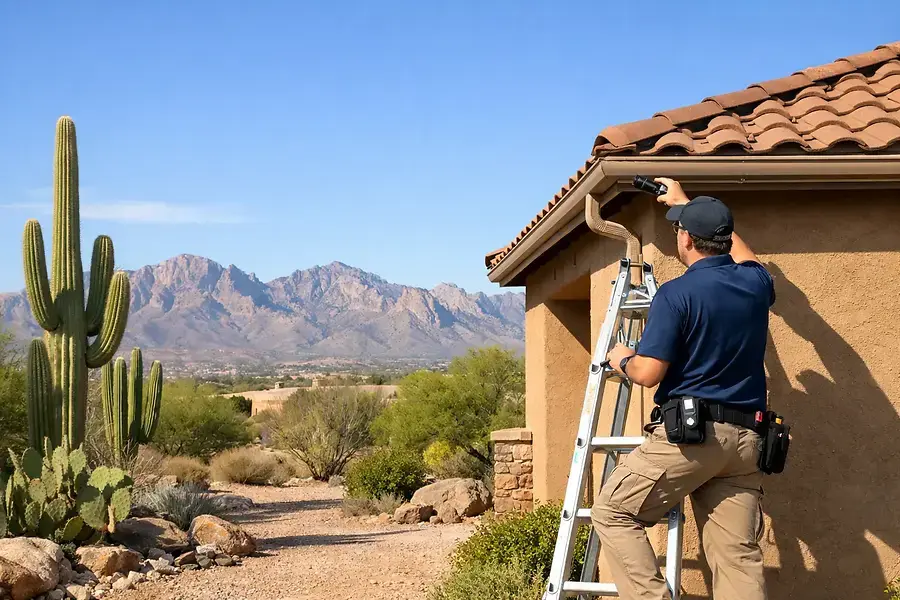
Why Home Inspections Matter in Desert Real Estate
Purchasing a home in the Tucson, Oro Valley, or Marana area is one of the most significant investments you'll make. A professional home inspection is your opportunity to uncover potential issues before signing on the dotted line. Unlike many regions, desert properties face unique challenges that require specialized knowledge and attention.
Home inspections provide a detailed assessment of a property's condition, from the foundation to the roof. They protect you financially by identifying costly repairs that might not be visible to the untrained eye. In Arizona's desert climate, certain issues are more prevalent than in other regions, making professional inspections even more critical for Tucson area buyers.
Common Issues Found in Tucson Area Homes: What Buyers Should Know
Roof and Sun Damage
The intense Arizona sun takes a toll on roofing materials faster than in cooler climates. Inspectors look for cracked, curled, or missing shingles, deteriorated flashing, and signs of premature aging. Tile roofs, common in the Southwest, may have broken tiles or compromised underlayment. A roof replacement can cost $8,000-$15,000 or more, making this a critical inspection point.
HVAC System Concerns
Air conditioning systems work overtime in desert heat. Inspectors evaluate whether your AC unit is appropriately sized for the home and check for refrigerant leaks, compressor issues, and proper airflow. Many older units in the area lack adequate maintenance records, which can indicate future problems. Replacing an HVAC system can exceed $5,000, so understanding its condition is essential.
Water Damage and Monsoon Issues
Arizona's monsoon season brings intense storms that test a home's weatherproofing. Inspectors look for:
- Water stains on ceilings and walls
- Damaged or improperly sealed windows and doors
- Foundation cracks that allow water infiltration
- Inadequate grading around the foundation
- Clogged or damaged gutters and downspouts
Water damage can lead to mold growth and structural deterioration, making this inspection area particularly important in Tucson.
Foundation and Structural Issues
Desert soil composition can cause foundation problems. Inspectors examine foundations for cracks, settling, and signs of shifting. Arizona's expansive clay soils can cause foundations to move, especially during dry periods followed by heavy rain. Even small cracks warrant professional evaluation.
Plumbing and Water Quality
Tucson's hard water and mineral-rich groundwater can affect plumbing systems. Inspectors check for corrosion in copper pipes, mineral buildup, and water pressure issues. Older homes may have galvanized pipes that are prone to rust and reduced water flow. Water heater age and condition are also critical, as units typically last 8-12 years in Arizona's climate.
Electrical System Safety
Older Tucson homes may have outdated electrical systems that don't meet current safety standards. Inspectors look for adequate grounding, proper circuit breaker sizing, and GFCI protection in wet areas. Aluminum wiring, found in some homes built in the 1960s-70s, poses fire hazards and requires special attention.
Pest and Termite Damage
Arizona's warm climate supports year-round pest activity. While a separate termite inspection is often recommended, general home inspectors note signs of wood-destroying insects, rodent activity, and pest entry points. Termite damage can compromise structural integrity and is expensive to remediate.
The Inspection Process: What to Expect and Questions to Ask Your Inspector
What Happens During a Home Inspection
A typical home inspection takes 2-4 hours and covers all accessible areas of the property. The inspector will:
- Examine the exterior, including roof, siding, and landscaping
- Inspect the foundation and crawl spaces
- Test all HVAC systems and check ductwork
- Evaluate plumbing fixtures and water pressure
- Assess electrical panels and outlets
- Check insulation and ventilation
- Look for signs of pests, water damage, and structural issues
You should always attend the inspection to ask questions and understand the property's condition firsthand.
Key Questions to Ask Your Inspector
Don't be shy about asking questions. Here are essential topics to discuss:
- What is the estimated remaining lifespan of major systems? (roof, HVAC, water heater, foundation)
- Are there any safety concerns I should address immediately?
- What maintenance issues could become major problems if ignored?
- Are there any signs of previous water damage or repairs?
- How does this home compare to others in the area?
- What would you recommend I budget for repairs or replacements?
Understanding the Inspection Report
The inspection report categorizes findings by severity. Major issues require immediate attention and can affect your offer. Minor issues are typically maintenance items. Observations are informational notes about the property. Review the report carefully and discuss findings with your real estate agent and a contractor if needed.
Using Inspection Results to Make Confident Offers
Armed with inspection results, you have several options. You can request repairs from the seller, ask for a credit toward closing costs, or renegotiate the purchase price. In Tucson's competitive market, understanding what's negotiable is crucial.
For significant issues like roof replacement or foundation repair, obtain contractor estimates. This gives you concrete numbers for negotiations. Remember that sellers may be unwilling to make major repairs, so a price reduction might be your best option.
A thorough home inspection is your best defense against unexpected expenses and safety issues. In the desert climate of Tucson, Oro Valley, and Marana, professional inspections reveal problems that could cost thousands to fix later.
Don't skip the inspection to save money or speed up the closing process. The $400-$600 inspection fee is minimal compared to the potential costs of undiscovered problems. Work with a qualified, licensed inspector who understands Arizona's unique challenges and can provide detailed guidance on your potential investment.