Complete Home Inspection Guide for Utah Valley Homebuyers
Protect your investment by understanding what inspectors look for and why it matters for your purchase decision.

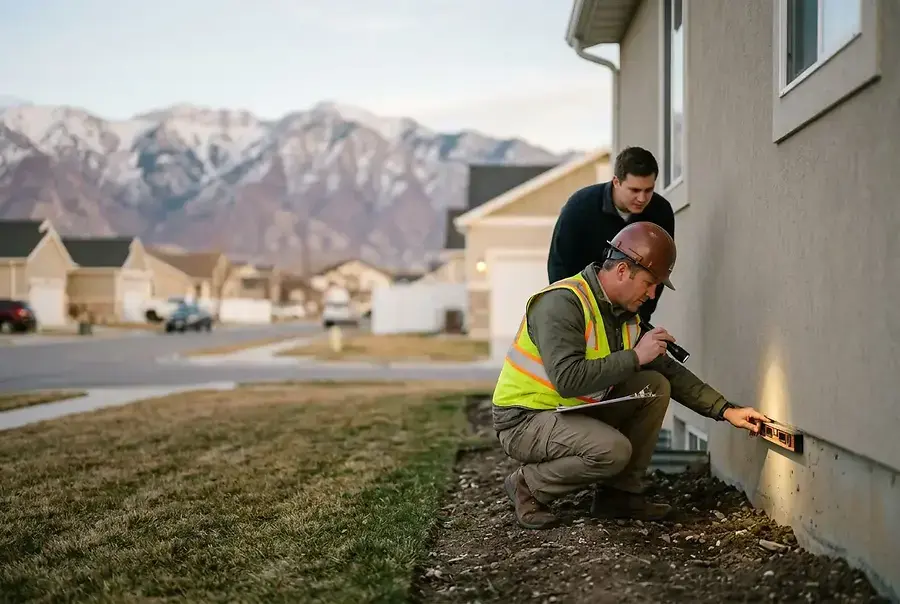
Why Home Inspections Are Critical in Utah Valley
Buying a home is one of the largest financial decisions you'll make in your lifetime. In Utah Valley, where the real estate market moves quickly and properties vary widely in age and condition, a professional home inspection is your best defense against costly surprises. A thorough inspection provides an objective assessment of your potential property's condition before you commit to the purchase.
Home inspections serve multiple purposes. They give you leverage in negotiations, help you understand maintenance needs, and reveal potential safety hazards. Whether you're purchasing a newly built home or a century-old property, an inspection protects your investment and gives you peace of mind.
Key Areas Inspectors Examine
Foundation and Structural Integrity
The foundation is the backbone of any home. Utah Valley inspectors pay close attention to:
- Visible cracks in the foundation walls or floor
- Signs of water damage or moisture intrusion
- Uneven settling or sloping floors
- Bowing or leaning walls
Foundation issues are particularly important in Utah Valley due to the region's soil composition and seasonal freeze-thaw cycles. Minor cracks may be cosmetic, but larger structural problems can be expensive to repair.
HVAC Systems
Your heating, ventilation, and air conditioning system is essential for comfort year-round. Inspectors evaluate:
- Age and condition of furnaces and air conditioning units
- Proper airflow and ductwork integrity
- Thermostat functionality
- Maintenance records and filter conditions
Why it matters: Replacing an HVAC system can cost $5,000 to $15,000 or more. Understanding the system's age and condition helps you budget for future replacements and negotiate repair costs.
Plumbing Systems
Water is essential, but water damage is expensive. Inspectors examine:
- Water pressure and flow rates
- Pipe material and condition (galvanized, copper, PVC)
- Signs of leaks or water stains
- Sump pump functionality (if applicable)
- Water heater age and condition
Older homes in Utah Valley may have outdated plumbing materials that require replacement. Identifying these issues early allows you to plan for upgrades.
Roof and Exterior
Your roof protects everything beneath it. Inspectors assess:
- Shingle condition and remaining lifespan
- Flashing around chimneys and vents
- Gutters and downspouts
- Signs of leaks or water damage in attics
- Exterior walls, windows, and doors
A roof replacement typically costs $10,000 to $25,000, making this one of the most critical inspection areas. Utah Valley's weather patterns, including heavy snow and intense sun, can accelerate roof deterioration.
Red Flags to Watch For and What They Mean for Your Offer
Major Structural Issues
What it looks like: Large foundation cracks, bowing walls, or significant settling.
What it means: These issues require professional engineering assessment and can be costly to repair. This is typically a reason to renegotiate the price significantly or walk away from the deal.
Water Damage and Mold
What it looks like: Stains on ceilings or walls, musty odors, visible mold growth, or soft spots in flooring.
What it means: Water intrusion indicates ongoing moisture problems. Mold remediation and water damage repair can be expensive and may indicate deeper structural issues. Request a mold inspection if suspected.
Outdated Electrical Systems
What it looks like: Aluminum wiring, knob-and-tube wiring, or an undersized electrical panel.
What it means: These systems pose fire hazards and may not support modern electrical demands. Upgrading electrical systems requires a licensed electrician and can cost several thousand dollars.
Failing HVAC Systems
What it looks like: Systems over 15-20 years old, rust, leaks, or units that don't turn on.
What it means: Replacement is imminent. Use this information to negotiate credits or price reductions.
Roof Near End of Life
What it looks like: Curling or missing shingles, visible wear, or a roof over 20 years old.
What it means: Budget for replacement within the next few years. This is a significant expense that should factor into your offer.
Plumbing Problems
What it looks like: Low water pressure, galvanized pipes showing corrosion, or evidence of previous leaks.
What it means: Pipe replacement may be necessary. Galvanized pipes typically need replacement after 40-50 years.
Making Informed Decisions with Inspection Reports
Once you receive your inspection report, don't panic if issues are found—most homes have some problems. Instead, prioritize:
Critical Issues: Safety hazards and structural problems that affect the home's integrity. These warrant serious negotiation or reconsideration of the purchase.
Major Issues: Systems nearing end of life or requiring significant repair. Use these to negotiate credits or price reductions.
Minor Issues: Cosmetic problems or routine maintenance items. These are typically the buyer's responsibility after purchase.
Work with your real estate agent to develop a negotiation strategy. You might request the seller make repairs, provide credits for repairs you'll handle, or reduce the purchase price. In Utah Valley's competitive market, understanding what's negotiable is crucial.
Remember, a home inspection is an investment in your future. The inspection fee—typically $300 to $500—is minimal compared to the potential cost of undiscovered problems. By understanding what inspectors look for and what red flags mean, you're empowered to make informed decisions that protect your investment and ensure your new Utah Valley home is a sound purchase.