Complete Home Inspection Guide for Virginia Beach Property Buyers
Discover what experienced inspectors look for and how to protect your investment in Virginia Beach's unique coastal climate.

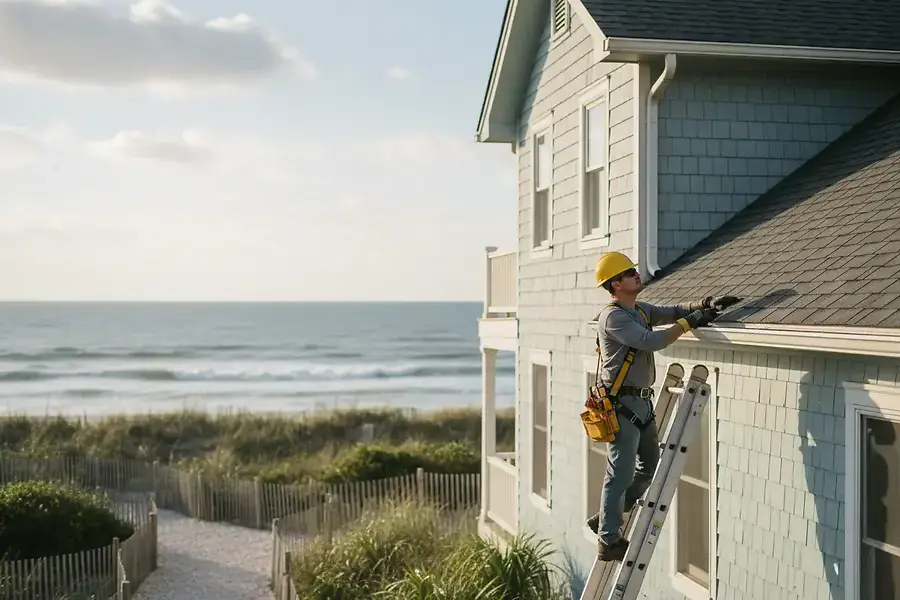
Why Home Inspections Matter in Virginia Beach
Purchasing a home is one of the most significant investments you'll make in your lifetime. In Virginia Beach, where the coastal environment presents unique challenges, a thorough home inspection becomes even more critical. A professional home inspection provides an objective assessment of a property's condition, identifying potential issues before you commit to the purchase.
Home inspectors in Virginia Beach understand the region's specific environmental factors and building codes. They evaluate everything from structural integrity to mechanical systems, ensuring you have a complete picture of what you're buying. This knowledge empowers you to negotiate repairs, request credits, or make informed decisions about proceeding with your purchase.
Why skip this crucial step? Without a professional inspection, you could inherit expensive problems that weren't immediately visible. From foundation issues to hidden water damage, inspectors catch problems that untrained eyes might miss.
Coastal Climate Considerations: Salt Air and Moisture Damage
The Impact of Salt Air on Home Materials
Virginia Beach's proximity to the Atlantic Ocean means homes face constant exposure to salt-laden air. This corrosive environment accelerates deterioration of metal components, paint, and exterior finishes. Professional inspectors pay special attention to:
- Metal roofing and gutters showing signs of rust or corrosion
- HVAC units and outdoor condensers with salt buildup
- Metal railings, gates, and hardware deterioration
- Paint peeling or chalking on exterior surfaces
- Window frames and door hardware showing oxidation
Moisture and Humidity Challenges
The coastal climate brings high humidity levels that create ideal conditions for mold, mildew, and wood rot. Inspectors thoroughly examine:
- Attic spaces for proper ventilation and moisture accumulation
- Crawl spaces for standing water or excessive dampness
- Basement walls for water stains, efflorescence, or active leaks
- Wood framing around windows and doors for soft spots indicating rot
- HVAC systems to ensure adequate dehumidification
Moisture problems can lead to expensive repairs if left unchecked. A good inspector will identify areas where water intrusion is likely and recommend preventative measures.
Key Systems and Structural Elements to Evaluate
Foundation and Structural Integrity
Virginia Beach's sandy soil and high water table require careful foundation assessment. Inspectors look for:
- Cracks in foundation walls or concrete slabs
- Signs of settling or shifting
- Water damage or staining on basement walls
- Proper grading around the foundation to direct water away
Roofing Systems
Your roof is your home's first line of defense against coastal weather. Inspectors evaluate:
- Shingle condition, age, and remaining lifespan
- Flashing around chimneys, vents, and skylights
- Proper attic ventilation and insulation
- Evidence of previous leaks or repairs
- Gutter and downspout functionality
Plumbing and Water Systems
Coastal properties often deal with saltwater intrusion and corrosion issues. Professional inspectors check:
- Water pressure and flow rates
- Pipe material and condition (galvanized, copper, PVC)
- Water heater age and functionality
- Septic systems or municipal connections
- Evidence of leaks or water damage
Electrical Systems
Salt air accelerates corrosion of electrical components. Inspectors verify:
- Panel condition and proper grounding
- Outlet and switch functionality
- Proper GFCI protection in wet areas
- Adequate capacity for modern electrical demands
- Signs of water damage or corrosion
HVAC and Climate Control
Heating and cooling systems work overtime in Virginia Beach's climate. Inspectors assess:
- Age and efficiency of air conditioning units
- Furnace or heat pump condition
- Ductwork integrity and proper insulation
- Thermostat functionality
- Maintenance history and filter accessibility
Windows and Doors
Coastal exposure takes a toll on windows and doors. Inspectors examine:
- Seal integrity and weather stripping condition
- Glass for cracks or seal failure (fogging between panes)
- Frame condition and paint integrity
- Hardware functionality and corrosion
- Proper installation and flashing
Making Informed Decisions with Inspection Reports
Understanding Your Inspection Report
A comprehensive inspection report details findings in clear, organized sections. It typically includes photographs, descriptions of issues, and recommendations for repairs or further evaluation. Don't hesitate to ask your inspector questions about any findings you don't understand.
Prioritizing Repairs and Concerns
Not all inspection findings require immediate action. Inspectors typically categorize issues as:
- Critical: Safety hazards or major structural problems requiring immediate attention
- Important: Significant issues affecting home value or functionality
- Maintenance: Routine upkeep items to address in the near future
Using Inspection Results in Negotiations
Armed with inspection findings, you can negotiate with the seller. Options include requesting repairs, asking for repair credits, or requesting a price reduction. In Virginia Beach's competitive market, understanding what issues are negotiable helps you make strategic decisions.
Pro Tip: Always hire a licensed, experienced home inspector familiar with Virginia Beach properties. Local knowledge of coastal climate challenges and building practices is invaluable.
Planning for Future Maintenance
Use your inspection report as a maintenance roadmap. Understanding your home's condition helps you budget for future repairs and preventative maintenance. Regular upkeep extends the lifespan of major systems and prevents small problems from becoming expensive disasters.
A thorough home inspection is your best protection when buying property in Virginia Beach. By understanding what inspectors evaluate and how coastal conditions affect homes, you'll make confident, informed decisions that protect your investment for years to come.


