Complete Home Inspection Guide for Western DuPage Residential Buyers
Discover what professional inspectors look for and how to protect your investment in these 14 thriving communities.

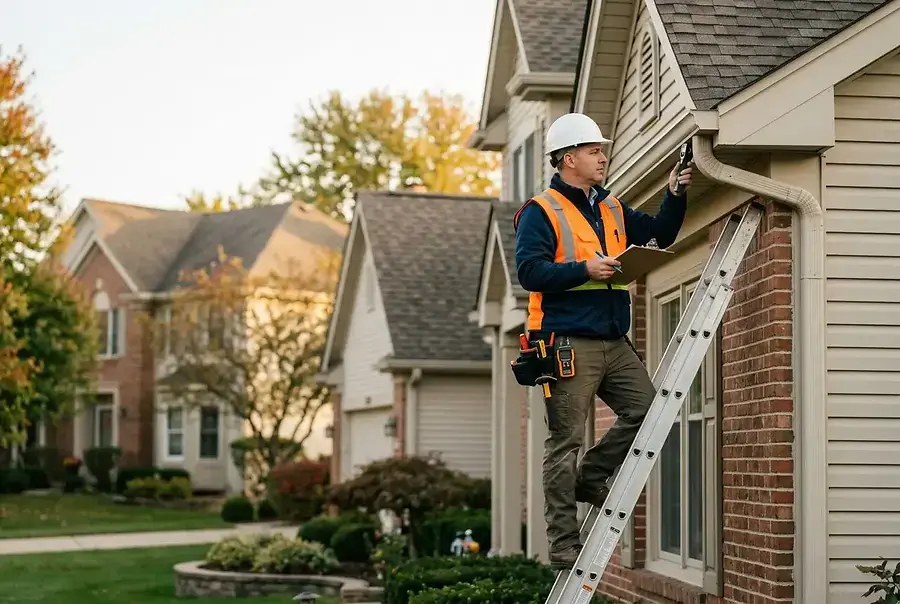
Why Home Inspections Matter in Western DuPage
Purchasing a home is one of the most significant financial decisions you'll make. In Western DuPage's 14 thriving communities, the residential market is competitive and fast-paced. A professional home inspection serves as your safeguard, providing an objective assessment of your potential investment before you commit.
Home inspections are particularly crucial in established neighborhoods where homes may have underlying issues that aren't immediately visible. Whether you're buying a charming 1970s ranch or a Victorian-era property, a thorough inspection reveals the true condition of the structure, systems, and components that keep your home functioning properly.
Why should you prioritize a home inspection?
- Identify costly repairs before purchase
- Negotiate repairs or credits with sellers
- Understand ongoing maintenance needs
- Verify that systems meet current safety standards
- Gain peace of mind about your investment
Key Areas Inspectors Evaluate in Residential Properties
Structural Components and Foundation
Inspectors begin by examining the foundation, which is critical to your home's integrity. They look for cracks, settling, water damage, and signs of foundation movement. In Western DuPage, where soil conditions vary, foundation issues can develop over decades. Inspectors also assess the structural framing, roof structure, and load-bearing walls to ensure they're sound.
Roofing and Exterior
The roof protects everything beneath it, making its condition paramount. Professional inspectors evaluate:
- Shingle condition and remaining lifespan
- Flashing around chimneys and vents
- Gutters and downspouts
- Siding, trim, and exterior caulking
- Windows and doors for proper sealing
Plumbing Systems
Inspectors test water pressure, check for leaks, and evaluate the condition of pipes throughout the home. They examine the water heater, looking at its age, condition, and capacity. In older Western DuPage homes, galvanized pipes may need replacement, and outdated plumbing fixtures might require updates to meet current standards.
Electrical Systems
A thorough electrical inspection includes checking the main panel, circuit breakers, wiring, outlets, and switches. Inspectors verify that the electrical system has adequate capacity for modern appliances and devices. Outdated or unsafe electrical systems are serious concerns that can pose fire hazards and require immediate attention.
HVAC Systems
Heating, ventilation, and air conditioning systems are evaluated for proper operation, age, and maintenance condition. Inspectors assess whether the system adequately heats and cools the home and check for signs of wear or needed repairs.
Interior Components
Inspectors examine walls, ceilings, floors, and doors for damage, moisture issues, or structural concerns. They look for signs of water damage, mold, pest infestation, and proper ventilation in bathrooms and kitchens. Attic and basement spaces receive special attention for insulation, ventilation, and moisture control.
Red Flags and Common Issues Found in Established Homes
Water Damage and Moisture Problems
One of the most common issues in established homes is water intrusion. Water damage can lead to mold growth, structural deterioration, and costly repairs. Inspectors look for stains, soft spots, and signs of previous water damage in basements, crawl spaces, and around windows and doors.
Outdated Systems
Homes built decades ago may have systems that are nearing the end of their lifespan. Roofs typically last 20-25 years, water heaters 10-15 years, and HVAC systems 15-20 years. Understanding the age of these systems helps you budget for future replacements.
Asbestos and Lead Paint
Homes built before the 1980s may contain asbestos in insulation, floor tiles, or roofing materials. Homes built before 1978 likely have lead-based paint. While these materials aren't always dangerous if undisturbed, their presence should be documented and managed appropriately.
Electrical Concerns
Older homes may have inadequate electrical capacity, outdated wiring, or improper grounding. Knob-and-tube wiring and ungrounded outlets are serious safety concerns that require professional remediation.
Pest Infestation
Termites, carpenter ants, and other pests can cause significant structural damage. Inspectors look for evidence of infestation, including droppings, damaged wood, and mud tubes. Early detection prevents costly damage.
Inadequate Insulation and Ventilation
Many established homes lack sufficient insulation by modern standards. Poor ventilation in attics and bathrooms can lead to moisture problems and reduced energy efficiency. These issues affect both comfort and utility costs.
Using Inspection Reports to Make Confident Offers
Once you receive the inspection report, take time to review it thoroughly. Don't panic over minor issues—every home has some wear and tear. Instead, focus on significant structural problems, safety concerns, and major system failures.
A professional home inspection is your opportunity to make an informed decision about one of life's biggest purchases. Use the findings to negotiate repairs, request credits, or make an informed decision about proceeding with the purchase.
Consider these steps:
- Request a second opinion from a specialist for major concerns
- Obtain repair estimates for significant issues
- Negotiate with the seller for repairs or credits
- Budget for recommended maintenance and repairs
- Ask the inspector questions about findings and recommendations
In Western DuPage's competitive market, a thorough home inspection gives you the confidence to make an offer that protects your interests. Whether you're buying in a well-established neighborhood or a newer development, understanding what inspectors evaluate ensures you're making a sound investment in your future home.