Complete Home Inspection Guide for Willingboro Home Buyers
Discover the critical inspection points that protect your investment and reveal hidden issues before closing.

Why Home Inspections Matter in Willingboro
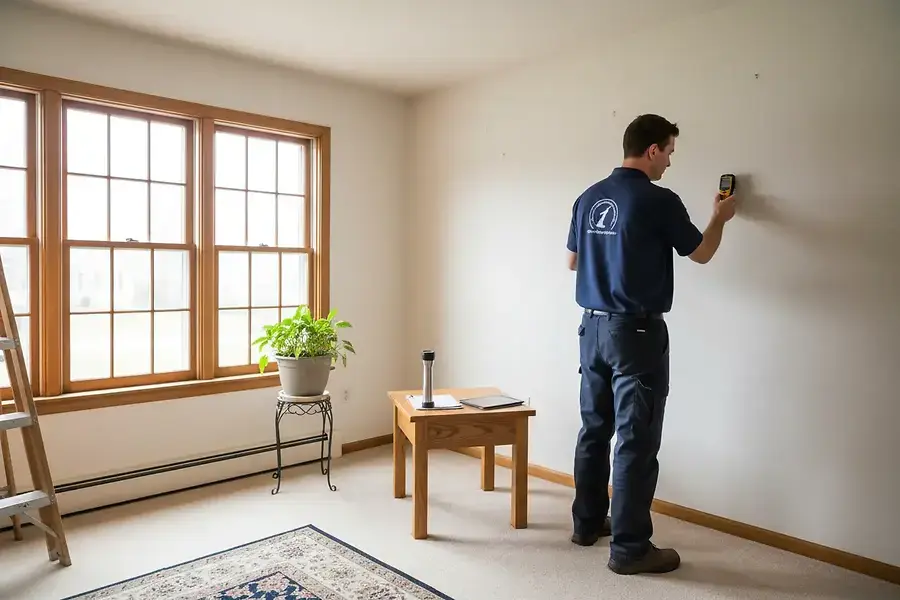
Purchasing a home is one of the most significant financial decisions you'll make. In Willingboro, where the real estate market is competitive, a comprehensive home inspection is your best defense against costly surprises after closing. A professional home inspection provides an objective assessment of a property's condition, identifying potential issues that could affect your safety, comfort, and investment value.
Many buyers skip or rush through inspections to close deals faster, but this approach can lead to thousands of dollars in unexpected repairs. An experienced inspector will uncover problems that aren't visible to the untrained eye, from structural concerns to mechanical failures. This knowledge empowers you to make informed decisions and negotiate repairs or price reductions before you sign the final paperwork.
Key Areas Home Inspectors Evaluate
Structural Components
Inspectors examine the foundation, walls, and roof structure for signs of damage, settling, or deterioration. They look for cracks in the foundation, water intrusion, and structural integrity issues that could compromise the home's stability. In Willingboro, older homes may have foundation concerns due to soil conditions and age, making this assessment particularly important.
Roofing and Exterior
The roof is your home's first line of defense against weather. Inspectors evaluate shingle condition, flashing, gutters, and drainage systems. They also assess siding, windows, doors, and exterior caulking for weatherproofing effectiveness. Missing shingles, rust, or improper drainage can lead to costly water damage if left unaddressed.
Plumbing Systems
A thorough plumbing inspection checks water pressure, drainage, pipe materials, and water heater condition. Inspectors test fixtures throughout the home and look for signs of leaks, corrosion, or outdated materials. Older Willingboro homes may have galvanized or polybutylene pipes that require replacement, which can be a significant expense.
Electrical Systems
Inspectors verify that electrical panels, wiring, outlets, and switches meet current safety standards. They check for proper grounding, adequate capacity, and any fire hazards. Outdated electrical systems or improper installations pose serious safety risks and may need upgrading to support modern appliance usage.
HVAC and Mechanical Systems
Heating, cooling, and ventilation systems are evaluated for age, functionality, and maintenance needs. Inspectors assess furnaces, air conditioners, and ductwork to ensure they operate efficiently. A failing HVAC system can cost thousands to replace, so understanding its condition is crucial.
Interior Conditions
Inspectors examine walls, ceilings, floors, and insulation for damage, moisture issues, or pest infestation. They check for proper ventilation in bathrooms and kitchens, which prevents mold growth. Interior conditions reveal how well the home has been maintained and what repairs may be needed.
Common Issues Found in Willingboro Homes and How to Address Them
Water Damage and Moisture Problems
Willingboro's climate and soil conditions make water intrusion a common concern. Inspectors frequently find water stains, mold, or dampness in basements, crawl spaces, and attics. Solution: Address drainage issues, seal cracks, and install proper sump pump systems. Mold remediation may be necessary in severe cases.
Aging Roofs
Many Willingboro homes have roofs nearing the end of their lifespan. Inspectors identify missing shingles, deterioration, and inadequate ventilation. Solution: Budget for roof replacement or repairs. A new roof typically lasts 20-30 years and is a worthwhile investment.
Outdated Electrical Systems
Older homes may have insufficient electrical capacity or outdated wiring that doesn't meet current codes. Solution: Hire a licensed electrician to upgrade the panel or rewire sections of the home. This improves safety and supports modern electrical demands.
Plumbing Concerns
Corroded pipes, low water pressure, or failing water heaters are frequently discovered during inspections. Solution: Replace galvanized pipes with copper or PEX, repair leaks promptly, and plan for water heater replacement if it's over 10 years old.
HVAC System Age
Furnaces and air conditioners typically last 15-20 years. Older systems may be inefficient or unreliable. Solution: Request maintenance records and budget for replacement if the system is aging. Modern systems are more energy-efficient and cost-effective long-term.
Pest Infestation
Termites, rodents, and other pests can cause structural damage if left untreated. Solution: Hire a pest control professional for treatment and prevention. Regular inspections help catch infestations early.
Using Inspection Results to Negotiate and Protect Your Purchase
Once you receive the inspection report, you have several options. Request repairs: Ask the seller to fix significant issues before closing. Negotiate credits: Request a price reduction to cover repair costs yourself. Walk away: If major problems exist and the seller won't negotiate, you may decide the property isn't worth the investment.
Use the inspection report as a negotiation tool, not a deal-breaker. Minor issues are normal in any home, but significant structural, electrical, or plumbing problems warrant serious discussion. Document everything in writing and ensure any agreed-upon repairs are completed to your satisfaction before closing.
A professional home inspection is an investment that typically costs $300-$500 but can save you thousands in unexpected repairs. In Willingboro's competitive market, this knowledge gives you confidence and leverage. Don't skip this critical step—your future self will thank you for the thorough due diligence.