Complete Home Inspection Guide: Protect Your Residential Investment
Learn what professional inspectors look for and how to use inspection reports to negotiate better terms.

Understanding the Home Inspection Process
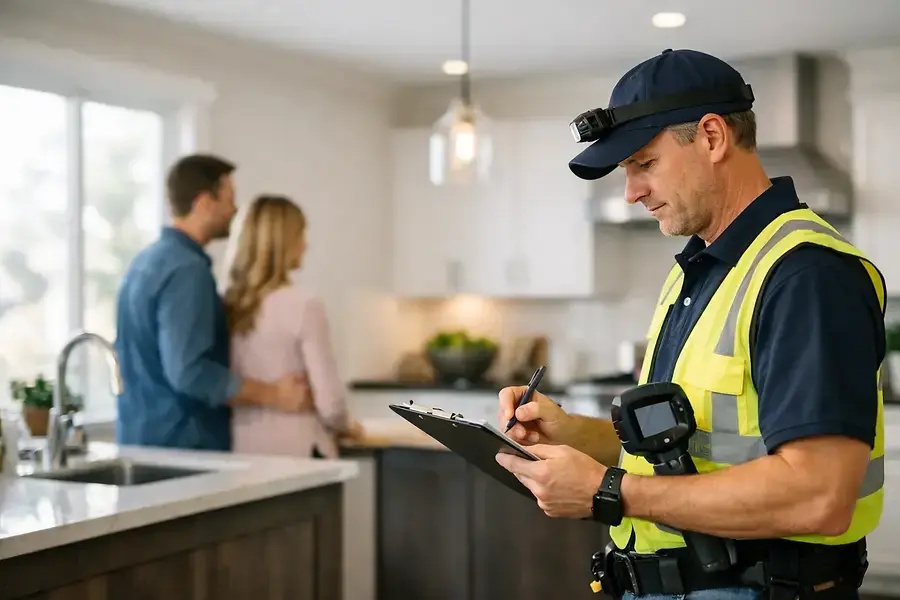
A home inspection is a critical step in the residential purchase process that can save you thousands of dollars and prevent costly surprises after closing. During a typical inspection, a certified professional examines the property's structural integrity, systems, and components to identify any issues or areas of concern.
The inspection process usually takes 2-4 hours depending on the property's size and age. Professional inspectors follow standardized guidelines and provide detailed reports documenting their findings. As a buyer, you have the right to be present during the inspection, which gives you an opportunity to ask questions and understand the property's condition firsthand.
What to Expect During an Inspection
The inspector will systematically evaluate both the interior and exterior of the property. They use specialized tools and equipment to test systems, check for moisture, and assess structural components. The goal is to provide you with an objective assessment of the home's current condition and any potential issues that may require attention or repair.
Critical Areas Inspectors Examine
Professional home inspectors focus on several key areas that directly impact the home's safety, functionality, and value. Understanding these critical areas helps you ask informed questions and make better decisions.
Foundation and Structural Components
Inspectors carefully examine the foundation for cracks, settling, or water damage. They assess the structural integrity of walls, floors, and support beams. Foundation issues are among the most expensive repairs, so this area receives particular attention. Signs of concern include:
- Visible cracks in the foundation or basement walls
- Water stains or evidence of moisture intrusion
- Uneven or sloping floors
- Gaps between walls and the foundation
Roofing and Exterior
The roof is your home's first line of defense against the elements. Inspectors evaluate the roof's age, condition, and remaining lifespan. They also examine:
- Shingles for wear, curling, or missing pieces
- Flashing around chimneys and vents
- Gutters and downspouts for proper drainage
- Siding, windows, and doors for damage or deterioration
- Grading and drainage around the foundation
Plumbing Systems
A thorough plumbing inspection checks for leaks, water pressure, and proper drainage. Inspectors test fixtures, examine pipes for corrosion, and verify that the water heater functions correctly. Outdated plumbing systems may require replacement, which can be a significant expense.
Electrical Systems
Inspectors verify that the electrical system is safe and up to code. They check the panel, outlets, switches, and wiring. Outdated or faulty electrical systems pose serious safety risks and may need upgrading to meet current standards.
HVAC Systems
The heating, ventilation, and air conditioning systems are evaluated for proper operation and maintenance. Inspectors assess the age of equipment and identify any issues that could affect comfort or efficiency. Replacing HVAC systems can be costly, so their condition is important to understand.
Insulation and Ventilation
Proper insulation and ventilation affect energy efficiency and prevent moisture problems. Inspectors check attic insulation levels, ventilation adequacy, and signs of moisture or mold growth.
How to Use Inspection Reports to Negotiate
Once you receive the inspection report, you have valuable information to guide your negotiation strategy. Here's how to use these findings effectively:
Review the Report Carefully
Take time to understand all findings. Inspectors typically categorize issues by severity—from minor concerns to major defects requiring immediate attention. Focus on significant issues that affect safety, functionality, or value. Don't get overwhelmed by minor cosmetic issues.
Prioritize Your Concerns
Create a list of the most important issues discovered during the inspection. Prioritize items that:
- Pose safety risks (electrical, structural, or plumbing hazards)
- Require immediate expensive repairs
- Affect the home's long-term value
- Impact your ability to obtain financing or insurance
Develop Your Negotiation Strategy
You have several options when addressing inspection findings:
- Request repairs: Ask the seller to fix significant issues before closing
- Request credits: Ask for a credit toward closing costs to handle repairs yourself
- Request price reduction: Negotiate a lower purchase price reflecting the repair costs
- Walk away: If issues are too severe or costly, you may choose to terminate the purchase
Get Professional Estimates
For major issues, obtain written estimates from licensed contractors. These estimates strengthen your negotiating position by providing concrete numbers for repair costs. Sellers are more likely to take your requests seriously when backed by professional documentation.
Communicate Professionally
Present your concerns in a professional, fact-based manner. Reference specific findings from the inspection report and include contractor estimates. Avoid emotional language or accusations.
Remember: the goal is to reach a mutually acceptable agreement, not to win a confrontation.
Know Your Limits
Understand your state's inspection contingency laws and your contract's terms. Most purchase agreements include an inspection contingency period during which you can negotiate or withdraw. Know your deadlines and be prepared to make decisions promptly.
Conclusion: Making an Informed Purchase Decision
A professional home inspection is one of the most valuable investments you can make during the home buying process. The inspection report provides objective information about the property's condition, helping you make informed decisions and negotiate from a position of knowledge.
By understanding what inspectors examine, reviewing reports carefully, and using findings strategically in negotiations, you protect your financial interests and avoid costly surprises. Whether you're a first-time homebuyer or an experienced investor, a thorough home inspection is essential to protecting your residential investment.
Take the time to understand your inspection report, ask questions, and make decisions based on facts rather than emotions. Your future self will appreciate the diligence you invest today.