Complete Home Inspection Guide: Protecting Your Property Investment
Learn what inspectors discover and how to protect your investment before closing.

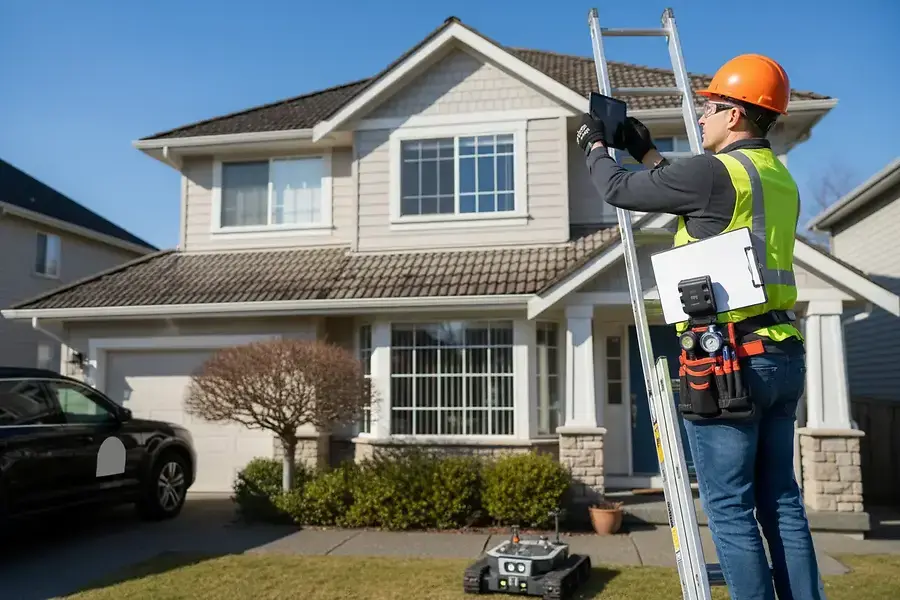
Why Home Inspections Are Critical for Buyers
Purchasing a home is one of the most significant financial decisions you'll make in your lifetime. A professional home inspection serves as your safeguard against hidden defects and costly surprises after closing. Unlike a simple appraisal that determines market value, a thorough inspection examines the physical condition of every major system and component in the property.
Many buyers skip or rush through inspections to speed up the closing process, but this decision can lead to thousands of dollars in unexpected repairs. An inspector acts as your advocate, identifying issues that could affect your safety, comfort, and long-term investment value. Whether you're a first-time homebuyer or an experienced investor, understanding what inspectors evaluate and how to interpret their findings is essential.
What Professional Inspectors Evaluate and Why Each Finding Matters
Structural Components and Foundation
Inspectors begin by examining the foundation, walls, and overall structural integrity of the home. Foundation issues are among the most expensive problems to repair, potentially costing $10,000 to $100,000 or more. Signs of concern include:
- Cracks in the foundation or basement walls
- Uneven or sloping floors
- Water damage or moisture intrusion
- Bowing or leaning walls
A minor crack might be cosmetic, but diagonal or horizontal cracks could indicate serious structural movement requiring immediate attention.
Roofing and Exterior
Your roof is your home's first line of defense against the elements. Inspectors evaluate:
- Roof age and remaining lifespan
- Missing, damaged, or curling shingles
- Flashing condition around chimneys and vents
- Gutter functionality and drainage
- Exterior siding, windows, and doors
Roof replacement typically costs $8,000 to $25,000, making this assessment crucial. Most roofs last 15-25 years, so knowing the age helps you budget for future maintenance.
Plumbing Systems
Inspectors test water pressure, check for leaks, and evaluate the age and condition of pipes. Common concerns include:
- Galvanized or polybutylene pipes (outdated materials prone to failure)
- Slow drains or water pressure issues
- Leaking fixtures or corroded connections
- Inadequate water heater capacity or age
Plumbing problems can range from minor fixes to complete system replacement, costing anywhere from $500 to $25,000.
Electrical Systems
A qualified inspector examines the electrical panel, wiring, outlets, and safety features. Outdated or faulty electrical systems pose serious fire and safety hazards. Red flags include:
- Aluminum wiring (fire risk)
- Insufficient grounding or outdated panels
- Missing GFCI outlets in bathrooms and kitchens
- Overloaded circuits
Electrical upgrades can cost $3,000 to $20,000 depending on the extent of work needed.
HVAC Systems
Heating, ventilation, and air conditioning systems are inspected for age, functionality, and maintenance needs. Inspectors assess:
- System age and remaining lifespan
- Proper operation and temperature control
- Ductwork condition and insulation
- Thermostat functionality
Replacing an HVAC system typically costs $5,000 to $15,000, so understanding its condition is vital for budgeting.
Interior Components
Inspectors also evaluate insulation, ventilation, interior walls, flooring, and appliances. They look for signs of water damage, mold, pest infestation, and structural issues that might not be immediately visible.
Understanding Common Issues and Negotiating Solutions with Sellers
Categorizing Inspection Findings
Professional inspection reports typically categorize findings by severity. Critical issues require immediate attention for safety or functionality. Major concerns may need repair soon to prevent further damage. Minor issues are typically cosmetic or low-priority maintenance items.
Understanding this hierarchy helps you prioritize which items to address before closing and which can wait.
Negotiation Strategies
Once you receive the inspection report, you have several options:
- Request repairs: Ask the seller to fix critical issues before closing
- Request credits: Negotiate a reduction in the purchase price to cover repairs yourself
- Request inspections: Ask for specialized inspections (radon, mold, termites) for specific concerns
- Accept as-is: Proceed without repairs if issues are minor or you're comfortable with the risks
The key is using the inspection report as a negotiation tool backed by professional documentation. Sellers are more likely to address issues when presented with a detailed report from a licensed inspector.
When to Walk Away
Some inspection findings should be deal-breakers.
If a home has severe foundation damage, extensive mold, outdated electrical systems with safety hazards, or major structural issues, the cost of repairs may exceed the home's value.In these cases, walking away protects your financial interests.
Using Inspection Reports to Make Confident Purchasing Decisions
A comprehensive inspection report provides the information you need to make an informed decision. Rather than viewing inspection findings as reasons to panic, see them as opportunities to understand your investment fully.
Create a repair budget based on the inspector's findings. Prioritize critical safety issues, then plan for major repairs within the first few years. This helps you avoid financial surprises and maintain your property effectively.
Ask your inspector questions. Professional inspectors are happy to explain findings and discuss the implications. Understanding why something matters helps you make better decisions about repairs and maintenance.
Use the report for future reference. Keep your inspection report for maintenance planning and future resale. It documents the home's condition at the time of purchase and serves as a baseline for tracking changes.
A thorough home inspection is an investment in your peace of mind and financial security. By understanding what inspectors evaluate and how to use their findings, you can confidently move forward with your purchase, knowing you've done your due diligence to protect your property investment.


