Complete Home Inspection Guide: What Buyers Must Know Before Closing
Learn the critical steps to protect your investment and avoid costly surprises during the home buying process.

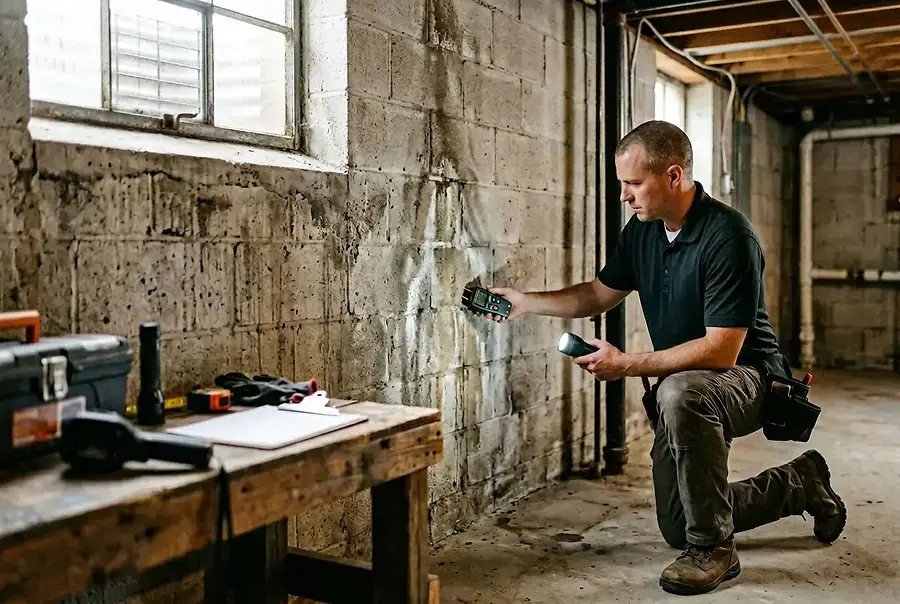
Why Home Inspections Are Essential for Buyers
Purchasing a home is one of the largest financial decisions you'll ever make. A professional home inspection is your best defense against inheriting expensive problems that could drain your savings and create stress for years to come. Unlike a simple appraisal, which determines a home's market value, an inspection thoroughly examines the property's structural integrity, systems, and overall condition.
Many first-time buyers underestimate the importance of this step, viewing it as an optional expense. However, a comprehensive inspection can reveal hidden issues such as foundation problems, roof damage, electrical hazards, plumbing failures, and mold—issues that could cost thousands to repair. By investing in a thorough inspection, you gain the knowledge needed to make an informed decision and protect your investment.
Understanding the Home Inspection Process and What Gets Evaluated
What a Professional Inspector Examines
A certified home inspector will spend two to four hours evaluating your potential property. They'll create a detailed report covering:
- Structural Components: Foundation, walls, roof, and framing
- Exterior Elements: Siding, windows, doors, gutters, and drainage systems
- Roofing: Age, condition, and remaining lifespan
- Plumbing Systems: Water pressure, drainage, and pipe condition
- Electrical Systems: Panel condition, wiring, outlets, and safety compliance
- HVAC Systems: Heating, cooling, and ventilation functionality
- Interior Features: Walls, ceilings, floors, doors, and built-in appliances
- Basement and Attic: Moisture issues, insulation, and ventilation
The Inspection Report
After the inspection, you'll receive a detailed report categorizing findings into three levels: items that need immediate attention, items that should be monitored, and items that are acceptable. The report includes photographs, descriptions of issues, and recommendations for repairs or further evaluation by specialists.
Red Flags to Watch For and How to Interpret Inspection Reports
Critical Issues That Require Immediate Action
Certain findings should trigger serious concern and negotiation. These include:
- Foundation Cracks: Horizontal or stair-step cracks indicate structural movement and require professional assessment
- Roof Problems: Missing shingles, leaks, or a roof nearing the end of its lifespan (typically 20-25 years)
- Water Damage and Mold: Signs of moisture intrusion, staining, or active mold growth pose health risks
- Electrical Hazards: Outdated wiring, improper grounding, or overloaded panels create fire risks
- Plumbing Issues: Corroded pipes, low water pressure, or sewage backups indicate costly repairs ahead
- HVAC Failure: Systems nearing the end of their lifespan may need replacement within months
Understanding the Report Language
Inspection reports use specific terminology. "Recommend further evaluation" means a specialist should assess the issue. "Deferred maintenance" indicates the home hasn't been properly maintained. "Safety concern" flags hazards that pose immediate risk. Understanding these terms helps you prioritize which issues matter most.
When to Request a Second Opinion
If the inspection reveals significant issues, don't hesitate to hire specialists. A structural engineer can assess foundation concerns, a roofer can evaluate roof condition, and a plumber can inspect the entire system. These targeted inspections provide clarity and strengthen your negotiating position.
Taking Action: Negotiating Repairs and Moving Forward to Closing
Your Options After the Inspection
Once you have the inspection report, you have several choices:
- Request Repairs: Ask the seller to fix identified issues before closing
- Request Credits: Negotiate a credit toward closing costs to handle repairs yourself
- Request Price Reduction: Lower the purchase price to account for necessary repairs
- Walk Away: If issues are too severe or costly, you may terminate the purchase
Negotiating Effectively
Approach negotiations professionally and strategically. Prioritize major issues like structural problems, roof replacement, or electrical hazards. Be reasonable about minor cosmetic issues—sellers are unlikely to agree to fix every small problem. Get repair estimates from licensed contractors to support your requests with concrete numbers.
Pro Tip: Many inspection contingencies allow you to renegotiate or withdraw from the purchase if significant issues are discovered. Review your contract carefully to understand your rights and deadlines.
Final Steps Before Closing
Once repairs are agreed upon, request a final walkthrough inspection 24 hours before closing. Verify that agreed-upon repairs were completed properly and that no new damage has occurred. Check that appliances and fixtures that were supposed to remain are still in place.
Keep all inspection reports, repair estimates, and correspondence in a safe location. These documents are valuable for future reference, warranty claims, and potential resale.
Moving Forward with Confidence
A thorough home inspection transforms you from a passive buyer into an informed decision-maker. You'll understand your new home's true condition, anticipate future maintenance needs, and avoid costly surprises. By taking inspection seriously and negotiating wisely, you protect your investment and ensure a smoother transition into homeownership.
Remember: the inspection is your opportunity to ask questions and make informed choices. Don't rush the process or skip this critical step. Your future self will thank you for the diligence you invest today.