Complete Home Inspection Guide: What Every Buyer Needs to Know Before Closing
Master the critical steps to protect your investment and uncover hidden issues before closing the deal.

Understanding the Home Inspection Process: What Inspectors Look For and Why It Matters
A home inspection is one of the most critical steps in the home-buying process. This thorough examination of a property's condition can reveal issues that aren't visible to the naked eye and help you make an informed decision about your investment. Understanding what inspectors evaluate and why it matters is essential for every buyer.
The Scope of a Professional Home Inspection
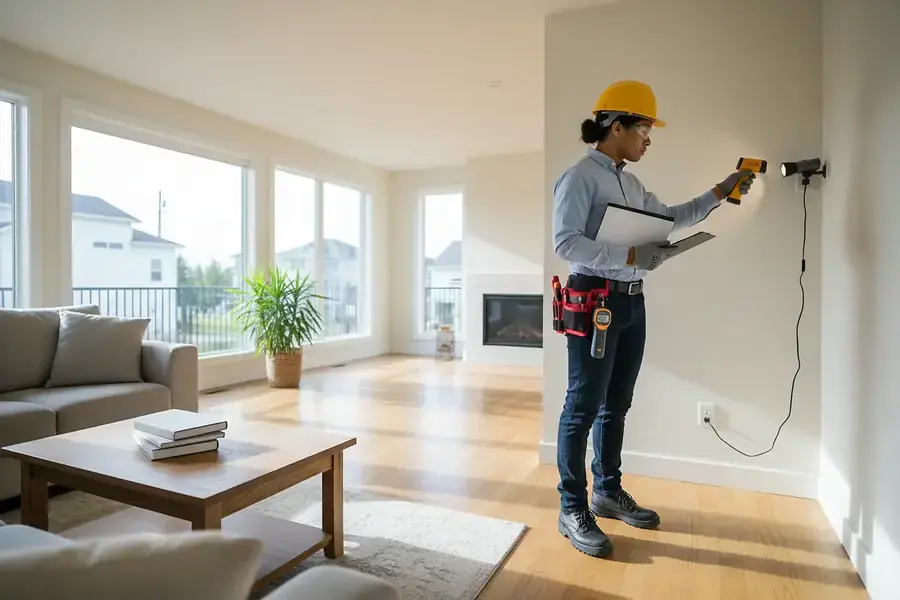
A certified home inspector examines virtually every system and component of a property. They evaluate the structural integrity, electrical systems, plumbing, HVAC systems, roofing, foundation, and more. The inspection typically takes 2-4 hours, depending on the home's size and complexity.
Inspectors use specialized tools and equipment to assess conditions that homeowners might miss. They check for water damage, pest infestations, code violations, and safety hazards. The goal is to provide you with a detailed report that outlines the property's current condition and any areas requiring attention.
Why the Inspection Matters
A home inspection protects your financial investment and your family's safety. Discovering major issues before closing allows you to negotiate repairs, request credits, or even walk away from the deal if problems are severe. Without an inspection, you could inherit costly repairs that weren't disclosed by the seller.
Key areas inspectors focus on include:
- Foundation and structural components
- Roof condition and remaining lifespan
- Electrical systems and safety
- Plumbing and water systems
- HVAC systems and functionality
- Insulation and ventilation
- Windows, doors, and weatherproofing
- Appliances and built-in systems
Red Flags and Deal-Breakers: Recognizing Major Issues That Impact Your Decision
Not all inspection findings are created equal. Some issues are minor and easily fixed, while others could cost thousands of dollars or indicate serious structural problems. Knowing which red flags warrant concern is crucial.
Structural and Foundation Issues
Foundation problems are among the most serious issues a home inspector can discover. Cracks in the foundation, settling, or water intrusion can lead to expensive repairs. Watch for signs like: large cracks (wider than 1/4 inch), bowing walls, or uneven floors. These issues can compromise the entire home's integrity and should be evaluated by a structural engineer.
Roof and Water Damage
A roof nearing the end of its lifespan or showing signs of damage can be costly to replace. Roof replacement typically costs $10,000-$25,000 or more. Additionally, water damage indicates potential leaks that could lead to mold, rot, and further deterioration. Any signs of water stains, mold, or moisture should be taken seriously.
Electrical and Safety Hazards
Outdated electrical systems, improper wiring, or faulty panels pose safety risks and may not meet current building codes. Knob-and-tube wiring or aluminum wiring in older homes can be fire hazards. These upgrades are expensive and necessary for safety.
Plumbing Problems
Corroded pipes, slow drains, or water pressure issues can indicate serious plumbing problems. Galvanized pipes, common in older homes, corrode over time and may need replacement. Sewer line issues are particularly expensive to repair.
HVAC System Failures
A failing heating or cooling system can cost $5,000-$15,000 to replace. If the inspector notes that the system is near the end of its lifespan or not functioning properly, factor replacement costs into your decision.
Negotiating Repairs and Credits: How to Use Inspection Results to Your Advantage
Once you receive the inspection report, you have leverage to negotiate with the seller. Understanding how to use these findings effectively can save you thousands of dollars.
Prioritize Your Requests
Don't request repairs for every minor issue. Focus on significant problems that affect safety, functionality, or value. Sellers are more likely to agree to major repairs than cosmetic fixes. Prioritize items that are:
- Safety hazards
- Structural or foundation issues
- Major system failures
- Code violations
- Expensive to repair
Request Repair Credits Instead
Sometimes it's better to request a credit toward closing costs rather than asking the seller to make repairs. This gives you control over the work and allows you to choose your own contractors. Sellers often prefer this option as well, avoiding liability for repair quality.
Get Multiple Quotes
Before negotiating, obtain quotes from licensed contractors for major repairs. These quotes strengthen your negotiating position and provide concrete numbers for your requests. Use these estimates to justify your repair requests or credit amounts.
Know When to Walk Away
If the inspection reveals extensive problems that would cost more than you're willing to invest, it's acceptable to withdraw from the purchase. Your inspection contingency protects your right to do this without penalty.
Final Walkthrough and Closing: Ensuring Everything Is in Order Before You Move In
The final walkthrough is your last opportunity to verify that agreed-upon repairs were completed and that the home is in the expected condition.
Schedule Your Final Walkthrough
Conduct your final walkthrough 24 hours before closing. This timing allows you to address any last-minute issues before funds are transferred. Walk through every room, check all systems, and verify that repairs were completed to your satisfaction.
Verify Repairs and Agreements
Check that all negotiated repairs were completed properly. Test light switches, faucets, doors, and appliances. Verify that any items agreed upon in the contract are still in the home.
Take photos or videos as documentation of the home's condition before you take possession.
Final Checklist Before Closing
- All negotiated repairs are complete and functional
- Agreed-upon credits have been applied
- Utilities are in working order
- All included appliances and fixtures are present
- No new damage has occurred since inspection
- Keys and access codes are provided
- Final walkthrough is documented
Moving Forward with Confidence
By understanding the inspection process, recognizing red flags, negotiating effectively, and conducting a thorough final walkthrough, you protect your investment and ensure a smooth closing. A home inspection isn't just a formality—it's your opportunity to make an informed decision about one of the largest purchases of your life.
Remember: A professional home inspection is a small investment that can save you from costly surprises and help you negotiate a fair deal. Don't skip this critical step in your home-buying journey.