Complete Home Inspection Guide: What Every Residential Buyer Needs to Know
Learn what professional inspectors look for and how to protect your investment before closing day.

Why Home Inspections Matter for Your Purchase
Purchasing a home is one of the most significant financial decisions you'll make in your lifetime. Before signing on the dotted line, a professional home inspection serves as your safeguard against costly surprises and hidden defects. A thorough inspection provides you with a detailed understanding of the property's condition, allowing you to make informed decisions and negotiate repairs or credits with confidence.
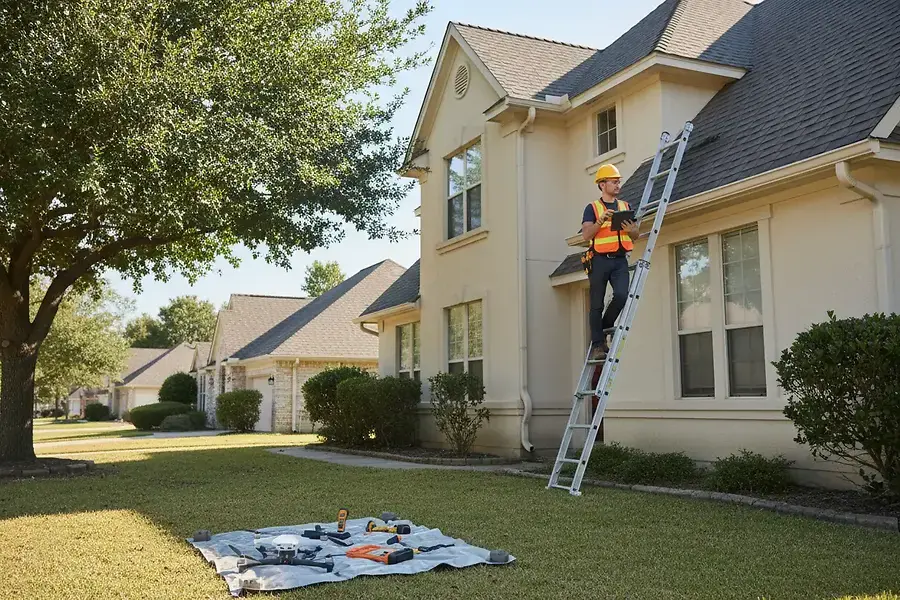
Home inspections typically take 2-4 hours and cover the entire property, both inside and out. The inspector will examine everything from the roof to the foundation, identifying any issues that could affect the home's safety, functionality, or value. This investment in a professional inspection—usually costing between $300-$500—can save you thousands of dollars in unexpected repairs after closing.
Why is this important? Many buyers assume that if a home looks good on the surface, it's in good condition. However, serious problems like structural damage, electrical hazards, or plumbing issues may not be visible to the untrained eye. A professional inspector has the expertise and tools to uncover these hidden problems before you commit to the purchase.
Structural and Foundation Systems: The Critical Foundation Check
Foundation and Basement Assessment
The foundation is literally the backbone of your home. Inspectors examine the foundation for cracks, settling, water damage, and signs of structural movement. They look for:
- Horizontal or vertical cracks in concrete or masonry
- Evidence of water intrusion or moisture problems
- Gaps between the foundation and walls
- Signs of previous repairs or patching
- Proper drainage and grading around the foundation
A small hairline crack might be cosmetic, but larger cracks could indicate serious structural issues requiring expensive repairs. Water damage in basements is particularly concerning, as it can lead to mold growth and deterioration of structural components.
Roof and Exterior Inspection
Your roof protects everything beneath it, making its condition critical. Inspectors evaluate:
- Roof age and remaining lifespan
- Missing, damaged, or curling shingles
- Proper flashing around chimneys and vents
- Gutters and downspouts functionality
- Signs of leaks or water damage in the attic
A roof replacement can cost $10,000-$30,000 or more, so understanding its condition is essential. Inspectors will also examine siding, windows, doors, and exterior walls for damage, rot, or deterioration.
Interior Structural Elements
Beyond the foundation and roof, inspectors assess the overall structural integrity by examining walls, ceilings, and floors for signs of settling, sagging, or damage. They check for proper support beams, adequate ventilation in crawl spaces, and any evidence of pest damage or wood rot.
Mechanical Systems and Utilities: Electrical, Plumbing, and HVAC Assessment
Electrical System Evaluation
A safe electrical system is non-negotiable. Inspectors examine:
- The main electrical panel and circuit breakers
- Wiring type and condition (outdated knob-and-tube wiring is a red flag)
- Outlet and switch functionality
- Proper grounding and bonding
- Presence of GFCI outlets in wet areas
- Adequate capacity for modern electrical demands
Electrical issues are serious safety hazards that can lead to fires or electrocution. If the inspector finds outdated or faulty wiring, you may need to budget for rewiring, which can be expensive depending on the home's size and complexity.
Plumbing System Review
The plumbing system is essential for daily living. Inspectors check:
- Water pressure and flow from all fixtures
- Pipe material and condition (galvanized, copper, PVC, etc.)
- Signs of leaks, corrosion, or water damage
- Drain functionality and proper venting
- Water heater age and condition
- Septic system or sewer line integrity (if applicable)
Corroded pipes, low water pressure, or a failing water heater can require significant repairs. Understanding the plumbing system's age and condition helps you plan for future replacements and budget accordingly.
HVAC System Assessment
Heating, ventilation, and air conditioning systems are crucial for comfort and air quality. Inspectors evaluate:
- Furnace or heat pump age and operational status
- Air conditioning unit functionality
- Ductwork condition and proper insulation
- Thermostat operation
- Ventilation and air quality systems
- Maintenance records and service history
HVAC systems typically last 15-20 years. If the system is nearing the end of its lifespan, budget for replacement costs, which can range from $5,000-$15,000 depending on the system type and home size.
Using Inspection Results to Negotiate and Finalize Your Purchase
Once the inspection is complete, you'll receive a detailed report outlining all findings. This is your opportunity to negotiate. You have several options:
- Request repairs: Ask the seller to fix major issues before closing
- Negotiate credits: Receive a credit at closing to cover repair costs yourself
- Request a price reduction: Adjust the purchase price to reflect the property's condition
- Walk away: If issues are too severe, you may have grounds to terminate the contract
Prioritize major issues that affect safety, structural integrity, or systems functionality. Minor cosmetic issues or deferred maintenance may not be worth negotiating, especially in competitive markets.
Remember: A home inspection is not a pass-or-fail test. Every home has some issues. The goal is to understand what you're buying and make an informed decision about your investment.
Work closely with your real estate agent and inspector to understand the severity of any issues and their potential costs. This information empowers you to make confident decisions and protect your financial investment in your new home.


