Complete Home Maintenance Guide for Troy, Virginia Homeowners
Protect your investment with seasonal maintenance tips tailored to Virginia's climate and protect your home's value year-round.

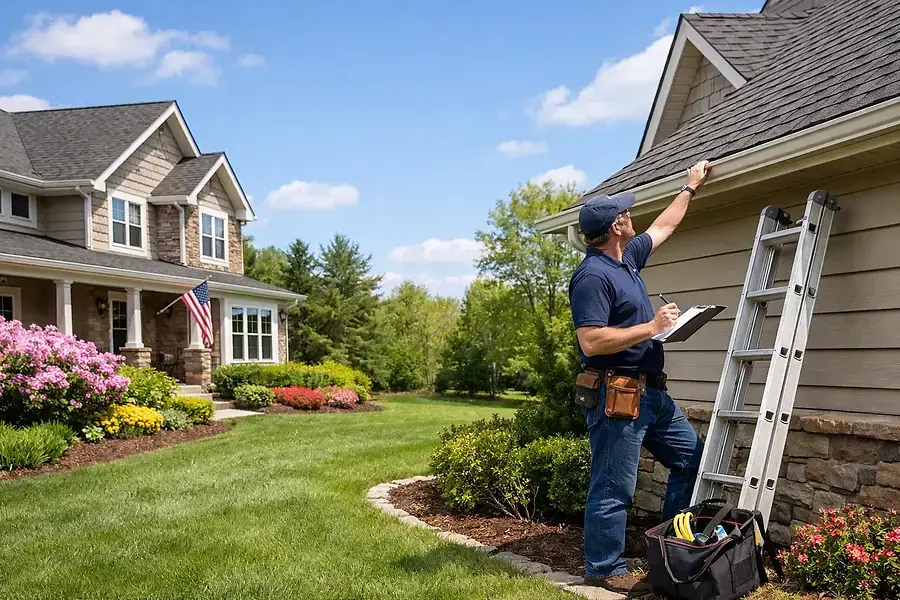
Understanding Troy's Climate and Its Impact on Your Home
Troy, Virginia experiences a humid subtropical climate with distinct seasonal changes that directly affect your home's structural integrity and systems. The region experiences hot, humid summers with temperatures reaching the upper 80s and cold winters with occasional snow and ice. This temperature fluctuation creates unique challenges for homeowners, including freeze-thaw cycles that can damage foundations, roofing materials, and exterior surfaces.
The high humidity levels common to Virginia can promote mold growth, wood rot, and moisture-related damage if not properly managed. Additionally, the area's moderate rainfall and occasional severe weather events mean your home's drainage systems and weatherproofing are critical components requiring regular attention. Understanding these climate patterns is the first step toward developing an effective maintenance strategy.
Essential Seasonal Maintenance Checklist for Virginia Properties
Spring Maintenance
Spring is the ideal time to assess winter damage and prepare your home for warmer months. Focus on these critical tasks:
- Inspect your roof for missing or damaged shingles caused by winter weather
- Clean gutters and downspouts to ensure proper water drainage
- Check foundation and exterior walls for cracks that may have developed
- Test your air conditioning system before the heat arrives
- Inspect and repair exterior caulking around windows and doors
- Power wash decks and patios to remove winter debris and mold
Summer Maintenance
Summer heat and humidity require proactive measures to prevent damage and maintain comfort:
- Monitor your HVAC system's performance and replace filters monthly
- Inspect and seal any gaps in exterior walls where pests might enter
- Check for signs of moisture damage in basements and crawl spaces
- Trim tree branches away from your roof and siding
- Inspect outdoor electrical outlets and ensure proper grounding
- Check basement and attic ventilation to prevent moisture buildup
Fall Maintenance
Preparing your home for winter is essential in Virginia's climate:
- Clean gutters thoroughly to prevent ice dams in winter
- Inspect and repair weatherstripping on doors and windows
- Have your heating system professionally serviced
- Drain and store garden hoses and outdoor faucets
- Inspect chimney and have it cleaned if needed
- Check attic insulation and add more if necessary
Winter Maintenance
Winter requires vigilance to prevent freeze-related damage:
- Monitor for ice dams and remove them carefully to prevent water damage
- Keep gutters clear of ice and snow
- Inspect basement for water intrusion and moisture
- Check that your heating system is functioning properly
- Inspect pipes in unheated areas for potential freezing
- Monitor roof for excessive snow accumulation
Preventative Repairs That Save Money and Increase Home Value
Roof and Gutter Systems
Your roof is your home's first line of defense against Virginia's weather. Regular inspections can identify small problems before they become expensive repairs. Missing shingles, deteriorated flashing, and clogged gutters can lead to water damage costing thousands of dollars. Investing in professional roof inspections every few years and maintaining gutters can extend your roof's lifespan by years and prevent interior water damage.
Foundation and Drainage
A solid foundation is critical in Virginia's climate where freeze-thaw cycles are common. Ensure proper grading around your home so water slopes away from the foundation. Install or maintain French drains and sump pumps if needed. Addressing foundation issues early prevents catastrophic damage that can compromise your entire home's structural integrity.
HVAC System Maintenance
Your heating and cooling systems work hard in Virginia's climate extremes. Regular maintenance—including filter changes, professional inspections, and cleaning—keeps systems running efficiently and extends their lifespan. A well-maintained HVAC system uses less energy, reducing utility bills and preventing costly emergency repairs during peak seasons.
Exterior Caulking and Weatherproofing
Virginia's humidity makes proper weatherproofing essential. Inspect caulking around windows, doors, and exterior penetrations annually. Fresh caulk prevents water intrusion that can lead to mold, rot, and structural damage. This inexpensive preventative measure protects your home's interior and maintains energy efficiency.
Plumbing and Water Systems
Protect your plumbing from freeze damage by insulating exposed pipes in unheated areas. Regular inspections can catch small leaks before they cause water damage. Installing a water leak detection system provides early warning of problems, potentially saving thousands in damage repair costs.
When to Call Professionals: DIY vs. Professional Home Services
Tasks for Homeowners
Many maintenance tasks are manageable for homeowners with basic skills and proper safety precautions:
- Gutter cleaning and minor debris removal
- HVAC filter replacement
- Caulking and weatherstripping installation
- Painting and minor drywall repairs
- Landscaping and yard maintenance
When to Hire Professionals
Professional services protect both your safety and your investment. Certain tasks require specialized knowledge, equipment, and licensing.
Always hire licensed professionals for:
- Roof inspections and repairs—working at heights is dangerous and requires expertise
- HVAC system servicing—requires certification and specialized tools
- Electrical work—safety hazards and code compliance are critical
- Plumbing repairs—improper work can cause water damage and health issues
- Foundation repairs—structural issues require professional assessment
- Chimney cleaning and inspection—fire hazard prevention requires expertise
- Mold remediation—health risks require professional handling
Finding Reliable Contractors
When hiring professionals, verify licenses, insurance, and references. Get multiple quotes for major work and ensure contractors understand Virginia's specific climate challenges. Building relationships with trusted local contractors ensures quality work and faster response times when emergencies occur.
Conclusion
Protecting your Troy, Virginia home requires understanding your local climate and committing to regular maintenance. By following seasonal checklists, addressing preventative repairs promptly, and knowing when to hire professionals, you'll maintain your home's value, prevent costly damage, and ensure a safe, comfortable living environment for years to come. Start with a comprehensive home inspection to identify current issues, then develop a maintenance schedule that addresses your home's specific needs.


