Complete Neighborhood Guide to NYC's Outer Boroughs and Queens Communities
Discover the best residential communities across Queens, Brooklyn, and the Bronx for your next home.

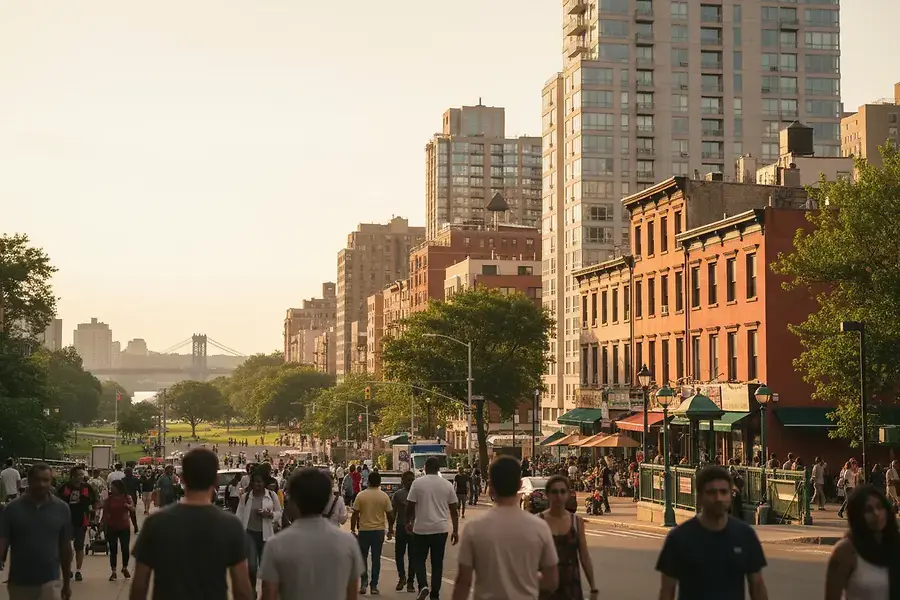
Why NYC's Outer Boroughs Offer Exceptional Value and Community
New York City's outer boroughs have transformed into thriving residential destinations that offer far more than just affordable housing. Queens, Brooklyn, and the Bronx now attract families, young professionals, and retirees seeking authentic neighborhoods with strong community bonds, excellent dining scenes, and cultural diversity. Unlike Manhattan's fast-paced environment, these boroughs provide a slower pace of life while maintaining convenient access to the city's best attractions and employment centers.
The appeal of outer borough living extends beyond economics. Residents enjoy spacious apartments, tree-lined streets, parks, and genuine neighborhood character that has been carefully preserved over decades. Whether you're drawn to historic brownstones, modern condos, or family-friendly communities, the outer boroughs deliver exceptional value without compromising on quality of life.
Exploring Top Neighborhoods by Borough: Features, Amenities, and Lifestyle Appeal
Queens: Diversity and Accessibility
Queens stands as America's most ethnically diverse urban area, offering an unparalleled culinary landscape and cultural experiences. Astoria has become a hotspot for young professionals, featuring waterfront parks, craft breweries, and excellent Greek and international cuisine. The neighborhood's proximity to Manhattan via the N and W subway lines makes commuting seamless.
Forest Hills appeals to families seeking suburban charm within city limits. This tree-filled neighborhood boasts the iconic Forest Hills Gardens, a planned community with Victorian architecture, excellent schools, and peaceful residential streets. The nearby Forest Hills Stadium hosts major cultural events throughout the year.
Long Island City has emerged as a modern residential hub with luxury high-rises, waterfront dining, and stunning Manhattan views. The neighborhood's rapid development includes contemporary art galleries, fitness studios, and trendy restaurants, making it ideal for professionals seeking urban sophistication.
Brooklyn: Historic Character Meets Modern Living
Brooklyn's neighborhoods offer distinctive personalities and strong community identities. Park Slope remains one of the borough's most desirable areas, centered around Prospect Park's 526 acres of green space. The neighborhood features beautiful brownstones, independent bookstores, and a vibrant restaurant scene along Fifth and Seventh Avenues.
Williamsburg has evolved from industrial waterfront to creative hub, attracting artists, entrepreneurs, and young families. The neighborhood combines cutting-edge galleries, rooftop bars, and artisanal food producers with easy access to Manhattan via the L train. Waterfront parks offer recreational activities and stunning skyline views.
Carroll Gardens provides a more residential, family-oriented alternative with tree-lined streets, historic row houses, and a strong sense of community. The neighborhood's proximity to Prospect Park and excellent schools make it particularly appealing to families with children.
The Bronx: Emerging Neighborhoods and Cultural Heritage
The Bronx offers some of the city's most affordable housing while maintaining rich cultural traditions. Riverdale features spacious homes, tree-covered streets, and a suburban feel despite being within city limits. The neighborhood includes Wave Hill, a historic estate with stunning Hudson River views and beautiful gardens open to the public.
Mott Haven is experiencing revitalization with new restaurants, galleries, and community initiatives. The neighborhood's affordable rents and artistic energy attract creative professionals, while improved transit connections enhance accessibility to other boroughs.
Schools, Transportation, and Local Resources: What Families and Commuters Need to Know
Educational Excellence
The outer boroughs host numerous highly-rated public and private schools. Forest Hills and Park Slope are particularly known for exceptional school districts with strong academic records and active parent communities. Many neighborhoods offer specialized high schools with competitive admissions, including STEM-focused and arts-oriented programs.
Beyond traditional schools, these communities provide access to libraries, museums, and cultural institutions that support lifelong learning. The Queens Museum, Brooklyn Museum, and various community centers offer educational programming for all ages.
Transportation Networks
Modern subway systems connect outer borough residents to Manhattan and other employment centers efficiently. Key transit hubs include:
- Astoria's N and W train access to Midtown
- Long Island City's E, M, and G train connections
- Park Slope's F and G train proximity
- Williamsburg's L train direct to Manhattan
- Forest Hills' E and F train service
Bus networks supplement subway service, and many neighborhoods are increasingly bike-friendly with protected lanes and Citi Bike stations. For drivers, major highways provide access to other boroughs and surrounding areas.
Community Resources and Amenities
Outer borough neighborhoods feature comprehensive local resources including parks, recreation centers, libraries, and healthcare facilities. Prospect Park in Brooklyn and Flushing Meadows-Corona Park in Queens offer extensive recreational opportunities. Community gardens, farmers markets, and local shops support sustainable living and neighborhood engagement.
Healthcare access is robust, with major hospitals including Mount Sinai Queens, Jamaica Hospital, and NYU Langone Brooklyn serving residents. Urgent care centers and specialized medical practices are widely available throughout these communities.
Finding Your Perfect Neighborhood Match in the Outer Boroughs
Selecting the right neighborhood depends on your lifestyle priorities, budget, and long-term goals. Consider these factors when evaluating communities:
- Family Status: Families prioritize schools, parks, and safe streets, making Forest Hills and Park Slope excellent choices
- Professional Commute: Young professionals benefit from neighborhoods with direct Manhattan transit access like Astoria and Williamsburg
- Budget Constraints: The Bronx and emerging Brooklyn neighborhoods offer exceptional value for cost-conscious renters and buyers
- Cultural Interests: Queens provides unmatched ethnic diversity and culinary experiences, while Brooklyn offers arts and creative communities
- Lifestyle Preferences: Choose between suburban tranquility in Forest Hills or urban energy in Long Island City
NYC's outer boroughs represent the city's future, offering authentic communities where residents build lasting connections and create meaningful lives. Whether you seek affordable housing, excellent schools, cultural richness, or convenient commutes, these neighborhoods deliver exceptional opportunities. Visit these communities in person, explore local businesses, and speak with residents to discover where you truly belong in New York City's vibrant outer boroughs.