Converting Commercial Property to Mixed-Use Development in DFW
Discover how DFW property owners are maximizing value by converting single-use commercial buildings into vibrant mixed-use developments.

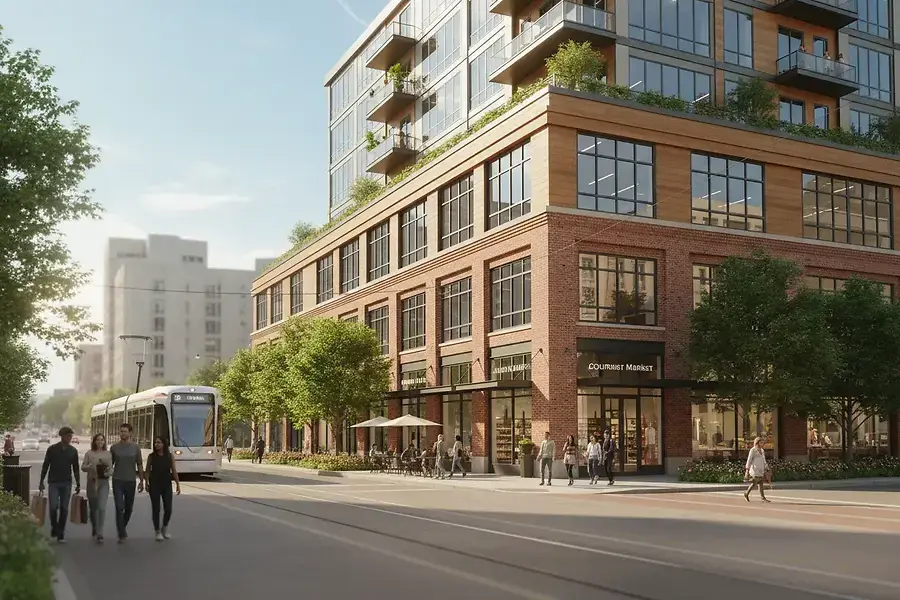
Introduction: The Rising Demand for Mixed-Use Properties in DFW
The Dallas-Fort Worth metropolitan area is experiencing a significant shift in commercial real estate preferences. Property owners and investors are increasingly recognizing the tremendous potential of converting traditional single-use commercial buildings into vibrant mixed-use developments. This transformation reflects broader market trends where tenants and consumers demand convenience, walkability, and integrated spaces that combine retail, office, and residential components.
Mixed-use developments have become the gold standard for modern urban and suburban communities. They create dynamic neighborhoods where people can live, work, shop, and dine without extensive commutes. For DFW property owners, this shift presents an exceptional opportunity to significantly increase property values and generate multiple revenue streams from a single asset.
Understanding the Conversion Process: Zoning, Permits, and Planning
Navigating Zoning Requirements
The first critical step in converting commercial property to mixed-use development is understanding local zoning regulations. DFW municipalities have varying zoning codes, and what's permitted in Dallas may differ from Arlington, Plano, or Fort Worth. Property owners must work with experienced zoning consultants and real estate attorneys to determine if their property is eligible for mixed-use conversion or if zoning variances are necessary.
Many DFW cities have recently updated their zoning ordinances to encourage mixed-use development. Some areas offer overlay zones or form-based codes that specifically facilitate these conversions. Understanding these opportunities can streamline the approval process significantly.
Obtaining Necessary Permits and Approvals
Converting a commercial property requires multiple permits and approvals from various municipal departments. The process typically includes:
- Site plan review and approval
- Building permits for structural modifications
- Parking requirement assessments
- Traffic impact studies
- Environmental assessments
- Public hearings and community input sessions
Working with experienced development consultants and architects familiar with DFW regulations can accelerate this process. These professionals understand local requirements and can anticipate potential challenges before they arise.
Strategic Planning and Design Considerations
Successful mixed-use conversions require thoughtful planning that balances multiple uses effectively. Property owners should consider:
- Ground-floor retail: Activates street-level spaces and generates foot traffic
- Office space: Provides stable, long-term tenant income
- Residential units: Maximizes density and creates 24/7 activation
- Parking solutions: Addresses the critical challenge of accommodating multiple uses
- Amenities: Common areas, courtyards, and gathering spaces enhance appeal
The architectural design should create a cohesive experience where different uses complement rather than compete with each other. Thoughtful design can transform a property from a simple conversion into a destination that attracts quality tenants and commands premium rents.
Financial Benefits and Revenue Opportunities for Property Owners
Increased Property Valuation
One of the most compelling reasons to convert commercial property to mixed-use is the dramatic increase in property value. Mixed-use developments typically command significantly higher per-square-foot valuations than single-use commercial properties. This increased value reflects the multiple revenue streams and reduced vacancy risk associated with diversified tenant bases.
Mixed-use properties in DFW have demonstrated 30-50% higher valuations compared to comparable single-use commercial buildings, making conversion a sound long-term investment strategy.
Diversified Revenue Streams
Rather than relying on a single tenant or use category, mixed-use properties generate income from multiple sources. A converted property might include:
- Retail tenants paying premium rents for ground-floor visibility
- Office tenants seeking flexible, modern workspaces
- Residential units generating consistent monthly rental income
- Parking revenue from shared facilities
- Additional income from common area amenities
This diversification reduces risk. If one sector experiences a downturn, other revenue sources help maintain overall property performance and occupancy rates.
Reduced Vacancy Risk and Improved Tenant Retention
Mixed-use properties typically experience lower vacancy rates than single-use buildings. The variety of uses attracts a broader tenant base, and the integrated nature of mixed-use developments creates community and loyalty. Tenants appreciate the convenience and vibrancy these properties offer, leading to longer lease terms and higher retention rates.
Tax Benefits and Incentive Programs
DFW municipalities often offer incentive programs for property owners undertaking mixed-use conversions. These may include:
- Tax increment financing (TIF) districts
- Property tax abatements for new development
- Sales tax exemptions on certain materials
- Historic preservation tax credits (if applicable)
- Enterprise zone benefits
Property owners should consult with tax professionals and economic development agencies to identify available incentives for their specific project.
Conclusion: Positioning Your Commercial Investment for Future Growth
Converting commercial property to mixed-use development represents a strategic opportunity for DFW property owners to maximize returns and position their investments for long-term success. The process requires careful planning, understanding of local regulations, and collaboration with experienced professionals, but the financial and strategic benefits are substantial.
As DFW continues to grow and evolve, mixed-use developments will increasingly define the region's urban and suburban landscape. Property owners who embrace this transformation now will benefit from increased valuations, diversified income streams, and properties that remain relevant and valuable for decades to come.
The time to explore mixed-use conversion opportunities is now. By understanding the zoning requirements, navigating the permitting process, and recognizing the financial benefits, DFW property owners can transform underperforming commercial assets into thriving mixed-use destinations that serve their communities while generating exceptional returns.


