Converting Commercial Spaces Into Residential Units: A Practical Guide
Learn how property owners and investors can successfully transform underutilized commercial properties into profitable residential apartments and condos.

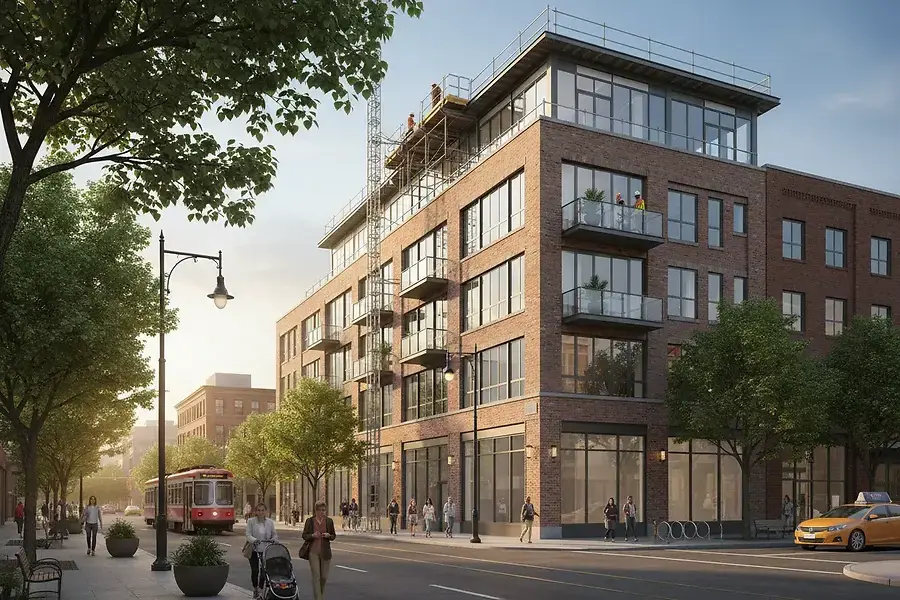
Understanding Zoning Laws and Conversion Feasibility
Before embarking on a commercial-to-residential conversion project, the first critical step is understanding your local zoning regulations. Zoning laws vary significantly by municipality and can make or break your project's viability. Many cities have specific zoning districts that either permit or prohibit residential use in commercial areas.
Key considerations include:
- Reviewing your property's current zoning classification with your local planning department
- Determining whether residential conversion is permitted as-of-right or requires a variance
- Understanding density requirements and unit limitations
- Checking for any historical preservation restrictions that might apply
- Evaluating parking requirements and how they impact your conversion plans
Many progressive cities are actively encouraging commercial-to-residential conversions to address housing shortages and revitalize downtown areas. Some municipalities even offer expedited permitting or tax incentives for successful conversions. Contact your local city planning office to explore available programs and incentives in your area.
Feasibility Assessment
Once you've confirmed zoning approval is possible, conduct a thorough feasibility study. This involves analyzing the property's layout, ceiling heights, column spacing, and existing infrastructure. Buildings with open floor plans and high ceilings are typically easier and more cost-effective to convert than those with numerous load-bearing walls or low ceilings.
Structural and Code Requirements for Commercial-to-Residential Conversions
Converting commercial spaces to residential units requires meeting stringent building codes and safety standards. This section outlines the major structural and code considerations you'll encounter.
Building Code Compliance
Residential buildings must meet different code requirements than commercial spaces. Key differences include:
- Egress requirements: Residential units need multiple exit routes and emergency stairwells
- Fire safety systems: Sprinkler systems, fire-rated walls, and alarm systems are mandatory
- Ventilation and air quality: HVAC systems must provide adequate fresh air circulation
- Natural light: Bedrooms typically require windows meeting minimum size requirements
- Ceiling heights: Most codes require minimum 7.5-foot ceilings in living spaces
Hiring a qualified architect and structural engineer is essential to ensure your conversion meets all applicable codes. These professionals will identify necessary modifications and help you navigate the permitting process.
Infrastructure Upgrades
Commercial buildings often have infrastructure designed for different purposes than residential use. You may need to upgrade:
- Electrical systems to handle residential loads and safety requirements
- Plumbing systems to accommodate multiple residential units with adequate water pressure
- HVAC systems for individual unit climate control
- Soundproofing between units to meet acoustic standards
- Accessibility features to comply with ADA requirements
Financing and Cost Estimation for Conversion Projects
Understanding the financial aspects of your conversion project is crucial for determining profitability and securing adequate funding.
Cost Estimation
Conversion costs vary widely based on the property's condition, location, and scope of work. Typical cost ranges include:
- Structural modifications and code compliance: $50-$150 per square foot
- HVAC, electrical, and plumbing upgrades: $30-$80 per square foot
- Interior finishes and unit buildout: $40-$100 per square foot
- Permitting, design, and professional fees: 10-15% of total project cost
For a 20,000 square foot commercial building, total conversion costs could range from $2 million to $6 million or more, depending on the complexity and quality standards.
Financing Options
Several financing mechanisms are available for conversion projects:
- Construction loans: Short-term financing for the renovation phase, converting to permanent financing upon completion
- Commercial real estate loans: Traditional financing for mixed-use or residential conversion projects
- Government programs: Many municipalities offer low-interest loans or grants for residential development
- Equity partnerships: Partnering with investors to share costs and returns
- Historic tax credits: If your building qualifies, these can significantly reduce project costs
Work with a lender experienced in conversion projects, as they understand the unique risks and timelines involved. Prepare detailed financial projections showing expected rental income, operating expenses, and return on investment.
Marketing and Leasing Your Newly Converted Residential Units
Once your conversion is complete, effective marketing and leasing strategies are essential for achieving strong occupancy rates and rental income.
Pre-Leasing Strategy
Begin marketing your units before construction is complete. This allows you to secure tenants and generate cash flow quickly. Consider offering:
- Pre-leasing incentives such as reduced first-month rent or waived fees
- Virtual tours and 3D renderings for units still under construction
- Flexible lease terms to attract quality tenants
- Move-in specials during the initial leasing phase
Marketing Channels
Utilize multiple marketing channels to reach potential tenants:
- Online listing platforms and rental websites
- Social media advertising targeting your local market
- Local real estate agents and property management companies
- Direct outreach to employers and organizations in your area
- Community events and open house showings
Tenant Screening and Management
Implement thorough tenant screening processes to ensure reliable, long-term residents. Verify income, employment, credit history, and rental references.
Quality tenants reduce vacancy rates, minimize maintenance issues, and provide stable, predictable income streams.
Consider hiring a professional property management company to handle day-to-day operations, tenant relations, and maintenance. This allows you to focus on strategic decisions while ensuring professional management of your investment.
Highlighting Unique Features
Emphasize the distinctive characteristics of your converted units in marketing materials. Many tenants are attracted to converted commercial spaces because of:
- High ceilings and open floor plans
- Large windows and abundant natural light
- Exposed brick, concrete, or architectural details
- Prime downtown or urban locations with walkability
- Proximity to restaurants, entertainment, and public transportation
Conclusion: Converting commercial spaces into residential units represents a significant opportunity for property owners and investors. By carefully navigating zoning requirements, meeting building codes, securing appropriate financing, and implementing effective marketing strategies, you can successfully transform underutilized commercial properties into thriving residential communities. The key to success lies in thorough planning, professional guidance, and a commitment to quality construction and tenant satisfaction.


