Converting Commercial Spaces into Residential Units in New York
Discover how New York property owners are capitalizing on the growing demand for mixed-use conversions to maximize their investment returns.

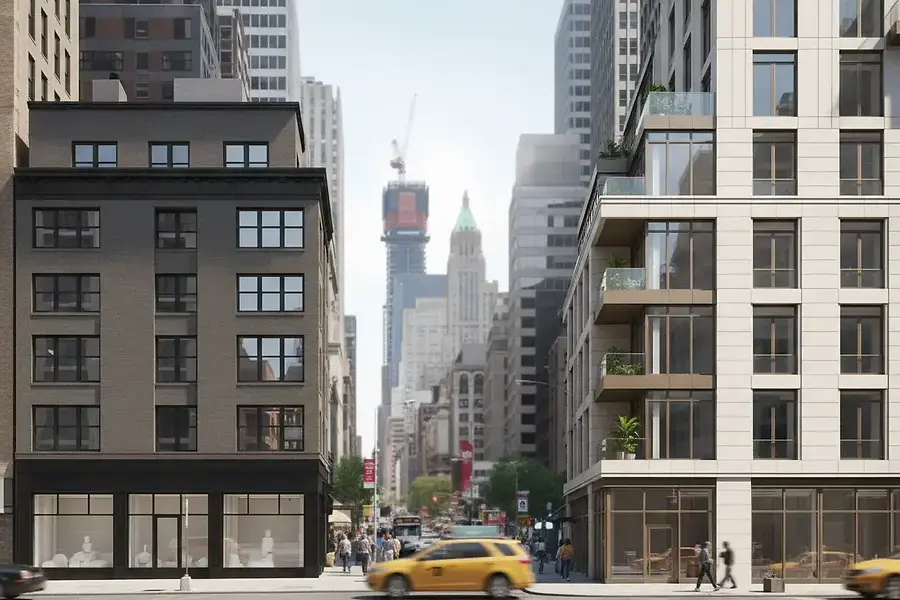
The Shift Toward Mixed-Use Properties in New York
New York's real estate landscape is undergoing a significant transformation. As remote work becomes increasingly prevalent and housing demand continues to surge, property owners are recognizing a lucrative opportunity: converting underutilized commercial spaces into residential units. This trend reflects a broader shift in how cities are evolving, with mixed-use properties becoming the cornerstone of modern urban development.
The demand for residential space in New York has never been higher. With limited land availability and rising construction costs, converting existing commercial properties offers a practical solution that benefits both developers and the community. These conversions are reshaping neighborhoods, revitalizing underused buildings, and creating new housing stock without requiring extensive new construction.
Property owners who understand this market shift are positioning themselves to capture significant returns. The key to success lies in understanding the regulatory framework, financial implications, and market dynamics that govern these conversions.
Understanding Zoning Laws and Regulatory Requirements for Conversions
Navigating New York's Complex Zoning Regulations
Converting commercial spaces to residential units in New York requires navigating a complex web of zoning laws and regulatory requirements. Each borough and neighborhood has its own specific zoning designations that determine what uses are permitted on a property. Before pursuing any conversion project, property owners must thoroughly understand their local zoning code.
The process typically involves:
- Zoning verification: Confirming whether residential use is permitted in your current zoning district
- Variance applications: Requesting exceptions if residential conversion is not currently allowed
- Community Board review: Presenting your project to local community boards for feedback
- City Planning approval: Obtaining necessary approvals from the Department of City Planning
Building Code and Safety Compliance
Beyond zoning, commercial-to-residential conversions must meet stringent building codes and safety standards. These requirements ensure that converted spaces provide adequate living conditions for residents. Key considerations include:
- Egress requirements and emergency exits
- Ceiling height minimums for habitable spaces
- Natural light and ventilation standards
- Plumbing and electrical system upgrades
- Fire safety and sprinkler system installations
Working with experienced architects and contractors who understand these requirements is essential. The cost of compliance can be substantial, but it's a non-negotiable investment in creating legal, safe residential units.
Environmental and Historic Considerations
Some commercial properties may have environmental concerns or historic designations that affect conversion feasibility. Phase I environmental assessments can identify potential contamination issues, while historic preservation requirements may impose additional design constraints. These factors should be evaluated early in the planning process to avoid costly surprises.
Financial Benefits and ROI Potential of Commercial-to-Residential Conversions
Understanding the Financial Landscape
The financial case for commercial-to-residential conversions is compelling. Property owners can achieve significant returns by capitalizing on the premium that residential units command compared to commercial spaces. In many New York neighborhoods, residential rental rates far exceed commercial lease rates on a per-square-foot basis.
Consider these financial advantages:
- Higher rental income: Residential units typically generate 30-50% higher rental income than comparable commercial spaces
- Increased property value: Residential properties often command higher sale prices than commercial properties in the same location
- Tax incentives: Various state and local programs offer tax credits and abatements for residential development
- Stable tenant base: Residential tenants typically sign longer leases than commercial tenants
Calculating Conversion Costs and Timeline
While the potential returns are attractive, conversion projects require substantial upfront investment. Typical costs include structural modifications, mechanical system upgrades, permits and approvals, and professional services. Projects can take 18-36 months from initial planning to occupancy, depending on complexity and regulatory requirements.
A realistic financial analysis should account for:
- Acquisition and holding costs
- Design and engineering fees
- Construction and renovation expenses
- Permitting and regulatory compliance costs
- Financing costs and interest
- Contingency reserves for unexpected issues
Market Demand and Long-Term Value
The fundamental driver of conversion economics is strong residential demand. New York's population continues to grow, and housing supply remains constrained. This supply-demand imbalance supports strong rental rates and property appreciation. Property owners who convert commercial spaces in high-demand neighborhoods can expect robust returns.
Mixed-use conversions represent one of the most promising opportunities in New York real estate, offering property owners the chance to meet critical housing needs while generating substantial investment returns.
Conclusion: Positioning Yourself as the Local Expert in Mixed-Use Opportunities
Converting commercial spaces into residential units represents a transformative opportunity for New York property owners. Success requires a comprehensive understanding of zoning regulations, building codes, financial dynamics, and market conditions. Property owners who master these elements can position themselves as local experts and capture significant value from mixed-use conversions.
The path forward involves careful planning, expert guidance, and a commitment to navigating the regulatory landscape. By understanding the opportunities and challenges, you can make informed decisions about whether conversion makes sense for your properties. As New York's housing demand continues to grow, the owners who act strategically today will reap the rewards tomorrow.
Whether you're considering a single conversion project or building a portfolio of mixed-use properties, the time to explore these opportunities is now. The market conditions are favorable, the demand is strong, and the financial potential is substantial. Start by evaluating your current properties, consulting with zoning and development experts, and building a comprehensive business plan. Your success in this emerging market could define your real estate portfolio for years to come.


