Converting Commercial Spaces to Residential Units in Mill Valley
Unlock new investment opportunities by understanding the regulatory requirements and market demand for adaptive reuse projects in this thriving Bay Area community.

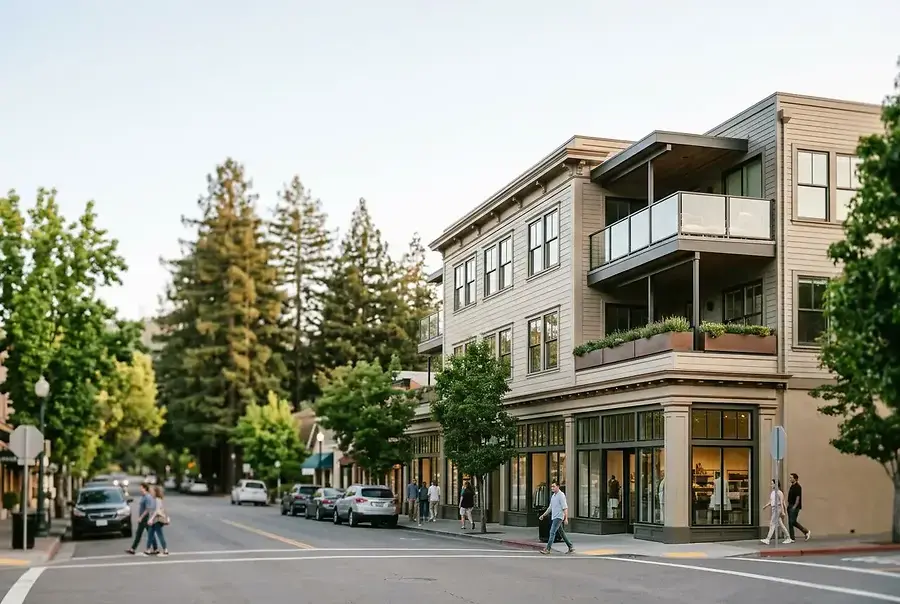
Understanding Mill Valley's Zoning Laws for Mixed-Use Conversions
Mill Valley's zoning regulations have evolved significantly to encourage adaptive reuse projects that revitalize commercial districts while addressing the region's housing shortage. The city's planning department recognizes that converting underutilized commercial spaces into residential units can breathe new life into downtown areas and create vibrant mixed-use neighborhoods.
Key Zoning Designations and Permitted Uses
Mill Valley's downtown core operates under mixed-use zoning that explicitly permits residential conversions in certain commercial districts. The Downtown Mixed-Use (DMU) zone is particularly favorable for adaptive reuse projects, allowing ground-floor commercial or office space with residential units above. Understanding which zones permit residential conversion is crucial before identifying potential properties.
The city also maintains specific guidelines for:
- Minimum unit sizes and ceiling heights
- Parking requirements for residential conversions
- Setback and building envelope restrictions
- Density bonuses for projects meeting affordability requirements
Variance and Conditional Use Permits
Properties that don't perfectly align with existing zoning may still be convertible through variance requests or conditional use permits. These applications require demonstrating that the conversion serves the public interest and won't negatively impact surrounding properties. Working with a local planning consultant familiar with Mill Valley's approval process can significantly improve your chances of success.
Market Demand and Profitability Analysis for Residential Conversions
Strong Housing Demand in the Bay Area
The Bay Area continues to experience robust demand for residential housing, with Mill Valley positioned as a particularly desirable community. The town's excellent schools, proximity to San Francisco, and quality-of-life amenities create sustained demand for housing at various price points. Residential units in converted commercial spaces often command premium rents due to their unique character and walkable downtown locations.
Financial Viability Assessment
Before committing to a conversion project, conduct a thorough financial analysis that includes:
- Acquisition costs – Commercial property prices in Mill Valley's downtown
- Conversion expenses – Structural modifications, systems upgrades, and code compliance
- Soft costs – Permits, architectural fees, and consulting services
- Projected rental income – Market-rate analysis for comparable residential units
- Operating expenses – Property management, maintenance, and insurance
Many successful conversions in Mill Valley achieve positive cash flow within 3-5 years, with property appreciation providing additional returns. The combination of limited housing supply and strong demand creates favorable conditions for adaptive reuse investments.
Incentive Programs and Funding Opportunities
Mill Valley and Marin County offer various incentive programs to encourage residential conversions. These may include property tax abatements, density bonuses, and expedited permitting for projects meeting specific criteria. Additionally, state-level programs provide financing options and tax credits for adaptive reuse projects that preserve historic structures or contribute to affordable housing goals.
Navigating Permits, Inspections, and Compliance Requirements
The Permitting Process
Converting commercial space to residential use requires multiple permits and approvals. The typical process begins with a pre-application meeting with Mill Valley's planning department to discuss your project concept and identify potential issues early. This informal consultation can save time and money by clarifying requirements before formal application submission.
Required permits typically include:
- Conditional Use Permit or Variance (if needed)
- Building Permit for structural and systems modifications
- Electrical, Plumbing, and Mechanical Permits
- Fire and Life Safety Compliance Certificate
- Certificate of Occupancy for residential use
Code Compliance and Inspections
Residential conversions must meet current California Building Code standards, which often require significant upgrades to commercial structures. Common compliance challenges include egress requirements (emergency exits), fire-rated separations, ventilation systems, and accessibility standards. Budget 15-25% of your conversion costs for code compliance measures.
The inspection process involves multiple checkpoints at different construction phases. Building inspectors will verify compliance with approved plans and applicable codes. Maintaining detailed documentation and scheduling inspections promptly helps keep projects on timeline and budget.
Environmental and Historic Considerations
If your target property has historic significance, additional review may be required through Mill Valley's Architectural and Historic Preservation Committee. Environmental assessments may also be necessary to identify potential contamination or hazardous materials. These considerations can extend timelines but also unlock additional incentives and community support.
Positioning Yourself as the Expert in Adaptive Reuse Opportunities
Building Your Knowledge Foundation
Becoming recognized as an adaptive reuse expert requires deep knowledge of Mill Valley's regulatory landscape, market conditions, and successful project examples. Attend planning commission meetings, network with local architects and contractors, and study approved conversion projects to understand what works in this specific market. This foundation allows you to identify opportunities others might overlook.
Developing Strategic Partnerships
Successful adaptive reuse projects require collaboration among multiple professionals. Build relationships with:
- Local architects experienced in residential conversions
- General contractors familiar with Mill Valley's construction standards
- Commercial real estate brokers with downtown property access
- Lenders specializing in adaptive reuse financing
- Planning consultants who navigate the approval process
These partnerships enhance your credibility and execution capability, making you a trusted resource for investors and property owners considering conversions.
Sharing Your Expertise
Establish thought leadership by publishing case studies of successful projects, presenting at industry conferences, and engaging with local business organizations. Create content that educates property owners about conversion opportunities and addresses common concerns. This visibility positions you as the go-to expert when opportunities arise.
By mastering Mill Valley's regulatory environment, understanding market dynamics, and building strategic partnerships, you can unlock significant value in adaptive reuse opportunities. The combination of strong housing demand, supportive zoning policies, and available incentives creates an ideal environment for successful commercial-to-residential conversions in this thriving Bay Area community.


