Converting Industrial Spaces into Profitable Commercial Ventures in Gulfport
Transform underutilized warehouses and industrial facilities into profitable commercial ventures with modern tenant appeal.

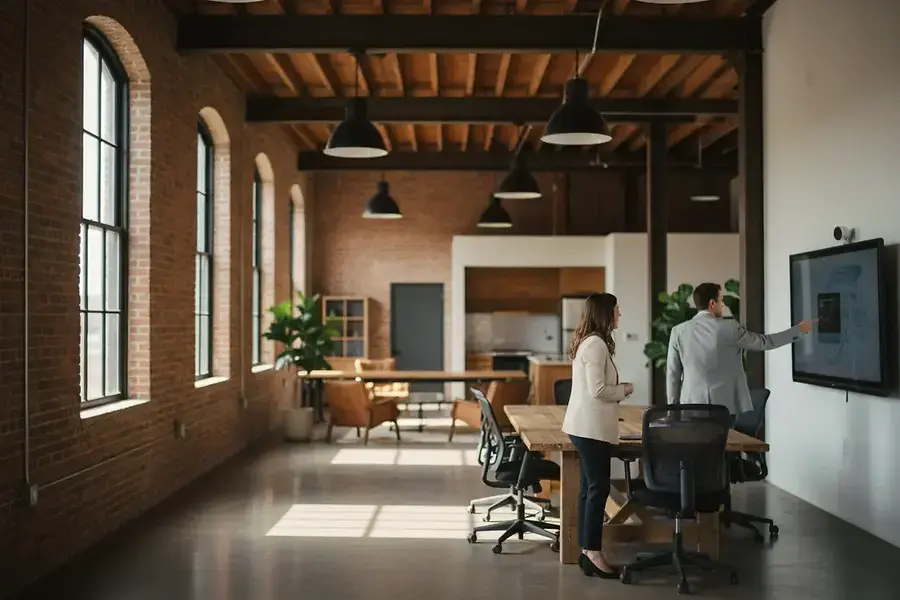
Introduction: The Growing Demand for Adaptive Industrial Spaces
The industrial real estate landscape in Gulfport is experiencing a remarkable transformation. What were once overlooked warehouses and manufacturing facilities are now prime candidates for conversion into vibrant commercial spaces. This shift reflects broader market trends where businesses and entrepreneurs seek flexible, affordable alternatives to traditional commercial properties.
The demand for adaptive industrial spaces has surged as companies recognize the value of open floor plans, high ceilings, and authentic character that these properties offer. From tech startups to creative agencies, fitness studios to event venues, the possibilities for conversion are virtually limitless. Investors who understand this market opportunity stand to capture significant returns while contributing to Gulfport's economic revitalization.
This guide explores the strategic approach to converting industrial properties into profitable commercial ventures, helping you navigate every step of the transformation process.
Identifying High-Potential Industrial Properties for Conversion
Location and Accessibility Matter
The first step in identifying conversion opportunities is evaluating location. Properties with strong visibility, proximity to major transportation routes, and access to growing neighborhoods command premium tenant interest. Look for industrial areas undergoing revitalization or those adjacent to residential developments where demand for services is increasing.
Consider the following location factors:
- Proximity to highways and main arterial roads
- Walkability and pedestrian traffic potential
- Nearby residential population density
- Existing commercial activity in the surrounding area
- Future development plans for the neighborhood
Assessing Structural Integrity and Building Systems
Before committing to a property, conduct a thorough structural assessment. The building's bones determine the feasibility and cost of conversion. Evaluate the roof condition, foundation stability, electrical systems, plumbing infrastructure, and HVAC capabilities.
Properties with solid structural foundations, adequate ceiling heights (ideally 14+ feet), and flexible floor plans are ideal candidates. Avoid buildings with extensive environmental contamination or structural damage that would require prohibitively expensive remediation.
Understanding Zoning and Regulatory Requirements
Zoning regulations significantly impact conversion viability. Verify that the property's current zoning permits your intended commercial use, or determine the feasibility of obtaining variances or zoning changes. Engage with local planning departments early to understand requirements for parking, accessibility, fire safety, and other compliance issues.
Understanding these regulations prevents costly delays and ensures your conversion project aligns with municipal standards.
Renovation Strategies and Cost-Benefit Analysis for Maximum ROI
Phased Renovation Approach
Rather than attempting complete renovation before leasing, consider a phased approach. Prioritize essential systems and cosmetic improvements that attract tenants, then execute additional upgrades as leases are secured. This strategy reduces upfront capital requirements and allows rental income to fund subsequent improvements.
Phase one typically includes:
- Structural repairs and safety compliance
- HVAC and electrical system upgrades
- Cosmetic improvements (painting, flooring, lighting)
- Entrance and common area enhancements
Cost-Benefit Analysis Framework
Develop a comprehensive financial model before proceeding. Calculate acquisition costs, renovation expenses, holding costs, and projected rental income.
A well-executed conversion can increase property value by 50-150% depending on market conditions and the quality of improvements.
Key metrics to evaluate include:
- Cap Rate: Net operating income divided by property value
- ROI Timeline: Expected payback period for renovation investment
- Tenant Demand: Market absorption rates for similar converted spaces
- Rental Rates: Competitive analysis of comparable commercial properties
Strategic Tenant Mix and Leasing Strategy
Successful conversions attract diverse, complementary tenants. Rather than seeking a single large anchor tenant, consider a mixed-use approach that creates vibrancy and cross-traffic. Creative combinations might include office space, retail, food service, and event venues within the same property.
Develop flexible lease terms that appeal to startups and growing businesses. Offering shorter lease periods, scalable spaces, and shared amenities can accelerate leasing velocity and reduce vacancy risk.
Modern Amenities and Tenant Appeal
Today's tenants expect modern conveniences. Invest in high-speed internet infrastructure, collaborative common spaces, green building features, and parking solutions. These amenities justify premium rental rates and reduce tenant turnover.
Consider incorporating:
- Shared conference and meeting rooms
- Modern restroom facilities
- Loading dock and service area improvements
- Energy-efficient lighting and climate control
- Outdoor space for events or recreation
Conclusion: Capitalizing on Gulfport's Industrial Real Estate Potential
Converting industrial spaces into profitable commercial ventures represents a compelling opportunity in Gulfport's evolving real estate market. Success requires careful property selection, strategic renovation planning, and a clear understanding of tenant demand.
By identifying high-potential properties with strong locations and sound structures, executing cost-effective renovations in phases, and creating spaces that appeal to modern tenants, investors can achieve substantial returns while revitalizing underutilized areas of the community.
The industrial properties that seemed like liabilities just years ago are now valuable assets waiting for visionary investors. Those who act strategically and understand their local market will position themselves to capture the significant value creation opportunities that adaptive reuse presents. The time to invest in Gulfport's industrial real estate transformation is now.


