Converting Properties for Dual-Use: Strategies for Residential and Commercial Markets
Discover how flexible property design increases value and attracts both residential and commercial tenants.

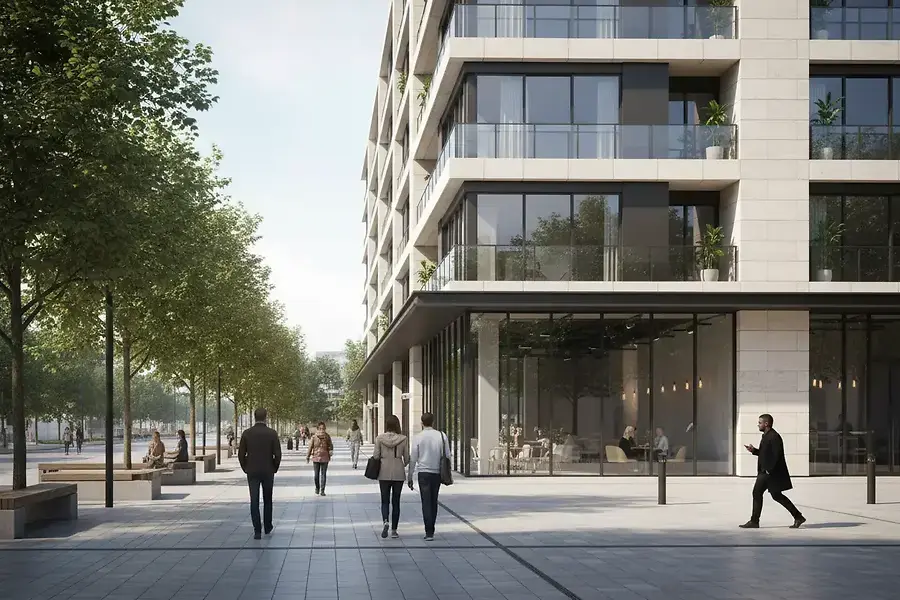
The Growing Demand for Adaptable Real Estate
The real estate market is undergoing a significant transformation. Property investors and developers are increasingly recognizing that flexibility is the key to long-term profitability. The traditional model of single-use properties is giving way to adaptable spaces that can serve multiple purposes, attracting a broader tenant base and maximizing rental income potential.
This shift reflects changing work patterns, lifestyle preferences, and economic pressures. Remote work has blurred the lines between residential and commercial spaces, while rising property costs have made mixed-use properties an attractive investment. Property owners who embrace this trend position themselves ahead of the competition and create resilient portfolios capable of weathering market fluctuations.
The demand for dual-use properties extends beyond mere convenience. Tenants increasingly seek spaces that offer flexibility and adaptability, whether they're entrepreneurs needing a home office, small business owners looking for affordable commercial space, or companies seeking flexible work environments. Understanding and capitalizing on this demand is essential for modern property investors.
Understanding Market Trends in Mixed-Use Properties
The Rise of Flexible Work Environments
The pandemic accelerated a trend that was already underway: the integration of work and living spaces. Today's professionals expect properties that can accommodate both functions seamlessly. This has created unprecedented opportunities for property owners willing to invest in adaptable designs.
Mixed-use properties command premium rental rates because they offer multiple revenue streams. A single property can generate income from residential tenants on upper floors while commercial spaces on the ground level serve small businesses, co-working spaces, or retail operations. This diversification reduces vacancy risk and stabilizes cash flow.
Market Data and Investment Potential
Recent market analysis shows that properties with dual-use potential appreciate faster than single-use alternatives. Investors who convert traditional residential buildings into mixed-use spaces report:
- Increased property valuations of 15-25% within the first two years
- Higher occupancy rates due to broader tenant appeal
- Improved resilience during economic downturns
- Enhanced flexibility to pivot between market demands
These statistics underscore why forward-thinking investors are prioritizing dual-use conversions as a core strategy for portfolio growth.
Understanding Your Target Market
Before undertaking any conversion, conduct thorough market research. Analyze local demographics, business activity, and residential demand. Consider:
- What types of businesses are thriving in your area?
- Are there gaps in the market for affordable commercial space?
- What residential amenities do tenants value most?
- How do zoning regulations affect your conversion plans?
This research ensures your conversion strategy aligns with actual market needs rather than assumptions.
Practical Renovation Strategies for Maximizing Property Versatility
Design Principles for Dual-Use Properties
Modular design is the foundation of successful dual-use properties. Create spaces that can be easily reconfigured to serve different purposes. This might include:
- Movable partition walls that allow flexible space division
- Multi-purpose rooms that function as offices, studios, or additional living areas
- Separate entrances for residential and commercial tenants
- Shared amenities that benefit both user groups
The goal is to create adaptable infrastructure that doesn't require major renovations when transitioning between uses or tenant types.
Infrastructure and Utilities Considerations
Dual-use properties demand robust infrastructure. Ensure your renovation includes:
- Separate utility metering for accurate billing and cost allocation
- Adequate electrical capacity for both residential comfort and commercial operations
- High-speed internet infrastructure suitable for remote work and business operations
- Proper ventilation systems that serve both residential and commercial needs
- Soundproofing between residential and commercial areas
These upgrades require upfront investment but pay dividends through improved tenant satisfaction and reduced operational issues.
Zoning and Regulatory Compliance
Before beginning any conversion, thoroughly understand local zoning laws and building codes. Regulatory compliance is non-negotiable and varies significantly by location. Work with:
- Local planning departments to verify zoning compatibility
- Licensed architects familiar with mixed-use development
- Building inspectors to ensure code compliance
- Legal professionals specializing in real estate regulations
Investing time in regulatory compliance upfront prevents costly delays and legal complications later.
Creating Attractive Commercial Spaces
Commercial tenants have specific requirements. Design commercial areas with:
- Professional aesthetics and modern finishes
- Flexible floor plans accommodating various business types
- Adequate parking and loading facilities
- Professional-grade HVAC and lighting systems
- Security features and access control systems
These features make your commercial spaces competitive and attractive to quality tenants.
Enhancing Residential Appeal
Simultaneously, ensure residential spaces remain attractive:
- Modern kitchen and bathroom fixtures
- Quality flooring and wall finishes
- Adequate natural light and ventilation
- Storage solutions and functional layouts
- Amenities like fitness centers, lounges, or outdoor spaces
Residential tenants expect comfort and convenience, and investing in quality finishes justifies premium rental rates.
Technology Integration
Modern dual-use properties benefit from smart building technology. Consider implementing:
- Smart access control systems for security
- Energy management systems reducing utility costs
- High-speed broadband infrastructure
- Building management systems for efficient operations
These technologies attract quality tenants and reduce operational costs.
Positioning Your Portfolio for Future Growth
Converting properties for dual-use represents a strategic investment in your portfolio's future. The properties that thrive in coming years will be those offering flexibility, adaptability, and multiple revenue streams.
Start by evaluating your current holdings. Which properties have the potential for conversion? Which markets show strong demand for mixed-use spaces? Develop a phased conversion strategy that prioritizes high-potential assets.
Remember that successful conversions require careful planning, substantial investment, and ongoing management. However, the rewards—increased property values, improved cash flow, and reduced vacancy risk—make dual-use conversions an essential strategy for forward-thinking investors.
The future of real estate belongs to those who embrace flexibility. By converting properties to serve both residential and commercial markets, you're not just adapting to change—you're positioning your portfolio to lead it.
Begin your conversion journey today, and watch your property values and rental income grow alongside the evolving demands of the modern market.


