Converting Retail Spaces into Mixed-Use Commercial Properties
Discover how strategic conversion projects are transforming underutilized retail locations across secondary markets into profitable mixed-use developments.

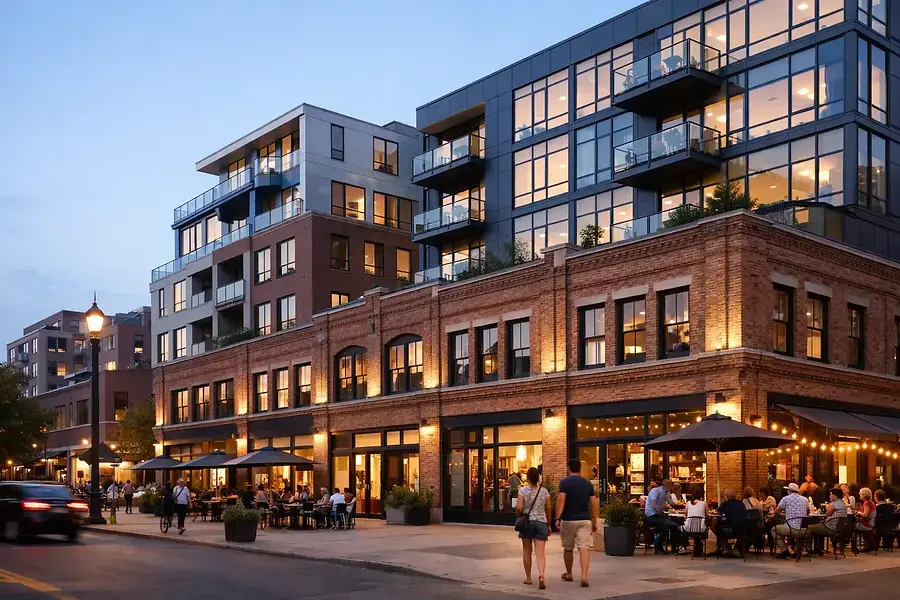
The Shift from Traditional Retail to Mixed-Use Development
The retail landscape has undergone a dramatic transformation over the past decade. Traditional brick-and-mortar retail spaces that once thrived in shopping centers and downtown corridors now face unprecedented challenges. E-commerce growth, changing consumer preferences, and the aftermath of economic disruptions have left many retail properties underutilized and financially struggling.
However, this challenge has sparked an innovative solution: converting these vacant or underperforming retail spaces into mixed-use commercial properties. Mixed-use developments combine multiple functions—such as residential apartments, office spaces, restaurants, and entertainment venues—under one roof or within a unified development. This approach not only revitalizes struggling retail properties but also creates vibrant communities and generates substantial returns for investors.
Secondary markets, often overlooked by major developers, have become prime targets for these conversion projects. Cities and towns outside major metropolitan areas offer lower acquisition costs, less competition, and growing populations seeking affordable housing and local amenities. The combination of these factors makes retail-to-mixed-use conversions particularly attractive in these emerging markets.
Identifying Retail Properties with Conversion Potential in Secondary Markets
Key Characteristics of Convertible Properties
Not all retail spaces are suitable for conversion. Successful projects typically share specific characteristics that make them ideal candidates:
- Structural Integrity: Properties with solid foundations, good bones, and minimal structural damage are easier and more cost-effective to convert.
- Adequate Ceiling Heights: Buildings with high ceilings provide flexibility for creating multiple floors or open-concept spaces.
- Accessible Locations: Properties near public transportation, downtown areas, or established neighborhoods attract both residents and businesses.
- Parking Availability: Sufficient parking or the potential to develop parking solutions is crucial for mixed-use success.
- Utility Infrastructure: Existing or easily upgradeable electrical, plumbing, and HVAC systems reduce conversion costs.
Market Analysis and Due Diligence
Before committing to a conversion project, thorough market research is essential. Developers should analyze demographic trends, employment growth, housing demand, and local economic indicators in secondary markets. Understanding the target population—whether young professionals, families, or retirees—helps shape the mixed-use program.
Additionally, evaluating the property's history is critical. Properties with environmental contamination, previous code violations, or structural issues may require expensive remediation, potentially making the project uneconomical. Conducting Phase I and Phase II environmental assessments protects investors from hidden liabilities.
Navigating Zoning, Permits, and Regulatory Requirements for Mixed-Use Projects
Understanding Zoning Challenges
One of the most significant hurdles in retail-to-mixed-use conversions is navigating zoning regulations. Many secondary markets have outdated zoning codes designed for single-use development. A property zoned exclusively for retail may not legally permit residential or office uses without modifications.
Solutions include:
- Zoning Variances: Requesting exceptions to existing zoning regulations through formal variance applications.
- Zoning Amendments: Working with local governments to change zoning designations to permit mixed-use development.
- Conditional Use Permits: Obtaining special permits that allow specific uses under certain conditions.
- Overlay Districts: Advocating for the creation of mixed-use overlay zones that encourage conversion projects.
Permitting and Compliance
Mixed-use conversions require multiple permits and approvals. Building permits, electrical permits, plumbing permits, and occupancy permits are just the beginning. Developers must also comply with building codes, accessibility standards (ADA compliance), fire safety regulations, and environmental requirements.
Engaging with local planning departments early in the process streamlines approvals. Many secondary markets are eager to support revitalization projects and may offer expedited permitting or fee waivers for developments that align with community goals.
Community Engagement and Stakeholder Buy-In
Successful conversions require community support. Hosting public meetings, presenting detailed plans, and addressing neighborhood concerns builds trust and can prevent costly delays.
Communities that feel heard and included in the development process are more likely to embrace mixed-use projects that enhance their neighborhoods.
Local government officials, business owners, and residents should understand how the conversion benefits the community—whether through job creation, increased tax revenue, improved property values, or enhanced walkability.
Maximizing Returns Through Strategic Retail-to-Mixed-Use Conversions
Financial Considerations
The financial success of a conversion project depends on careful planning and realistic projections. Developers must account for acquisition costs, renovation expenses, soft costs (permits, professional fees), and contingencies. Mixed-use projects typically require 15-25% contingency reserves due to unforeseen challenges in older buildings.
Revenue streams in mixed-use developments are diversified. Residential units generate steady rental income, office spaces attract professional tenants, ground-floor retail creates foot traffic and additional revenue, and amenities like restaurants or fitness centers enhance property value and resident satisfaction.
Design and Tenant Mix Strategies
Strategic design maximizes both functionality and profitability. Ground floors should feature retail or service businesses that activate the street and draw customers. Upper floors can accommodate offices or residential units. Shared amenities—courtyards, rooftop gardens, community spaces—increase property appeal and justify premium pricing.
Carefully curating the tenant mix ensures complementary uses. A coffee shop, fitness center, and boutique retail on the ground floor create a vibrant street presence, while office and residential tenants above benefit from convenient services and community atmosphere.
Leveraging Incentives and Financing
Many secondary markets offer incentives to encourage conversion projects. Tax increment financing (TIF), property tax abatements, historic preservation tax credits, and new market tax credits can significantly improve project economics. Some municipalities offer grants or low-interest loans for revitalization projects.
Developers should explore specialized financing options, including construction loans tailored for adaptive reuse projects, which often have more flexible terms than traditional commercial loans.
Conclusion: Maximizing Returns Through Strategic Retail-to-Mixed-Use Conversions
Converting retail spaces into mixed-use commercial properties represents a compelling opportunity for developers willing to navigate regulatory complexities and invest in underutilized secondary markets. By identifying properties with strong conversion potential, understanding local zoning and permitting requirements, and strategically designing mixed-use programs, developers can transform struggling retail assets into thriving community anchors.
The key to success lies in thorough due diligence, community engagement, and creative problem-solving. As consumer preferences continue to evolve and secondary markets grow, retail-to-mixed-use conversions will remain a powerful tool for creating value, revitalizing neighborhoods, and building sustainable communities. For investors and developers ready to embrace this opportunity, the potential returns—both financial and social—are substantial.