Converting Retail Spaces into Mixed-Use Commercial Properties in High Point
Discover how High Point business owners are transforming underutilized retail locations into profitable mixed-use developments that drive both revenue and community value.

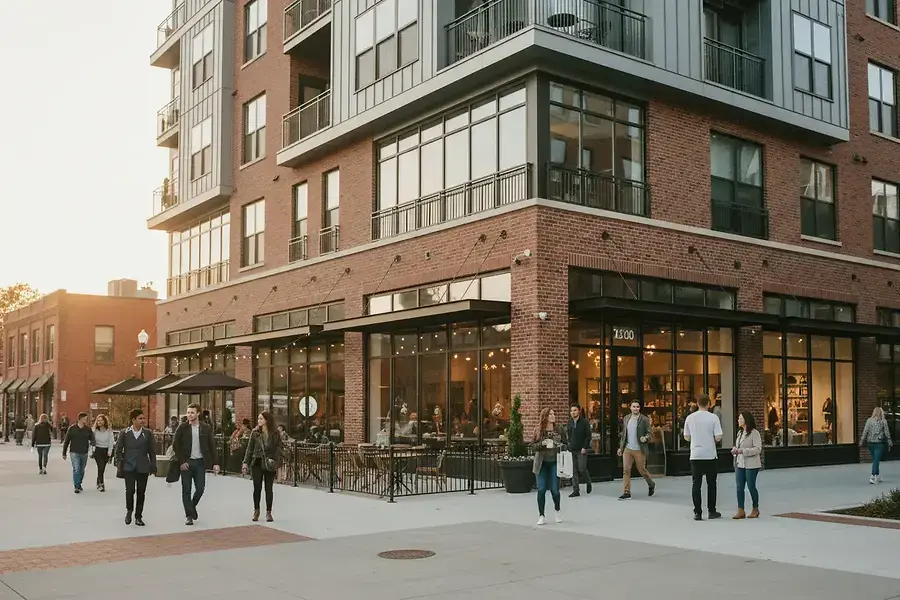
The Shift in High Point's Commercial Real Estate Landscape
High Point's commercial real estate market is experiencing a significant transformation. Traditional single-use retail spaces that once thrived in downtown corridors and shopping centers are facing unprecedented challenges. Changing consumer shopping habits, the rise of e-commerce, and shifting workforce preferences have left many property owners searching for innovative solutions to keep their investments profitable.
Mixed-use commercial properties represent a compelling answer to this challenge. By combining retail, office, residential, and entertainment spaces within a single development, property owners can maximize their returns while creating vibrant, walkable communities. This trend is reshaping High Point's commercial landscape and attracting forward-thinking investors who recognize the long-term value of diversified properties.
Why Mixed-Use Conversions Matter Now
The demand for mixed-use spaces has never been stronger. Tenants and residents increasingly seek convenient locations where they can live, work, and shop without extensive commuting. This integrated approach to urban development creates synergies that benefit all stakeholders—property owners enjoy higher occupancy rates and increased revenue streams, while communities gain vibrant, economically resilient neighborhoods.
Understanding Mixed-Use Property Conversions: Benefits and Market Demand
The Financial Advantages of Mixed-Use Development
Converting a single-use retail property into a mixed-use development offers substantial financial benefits:
- Diversified Revenue Streams: Rather than relying on retail tenants alone, mixed-use properties generate income from residential leases, office rentals, and ground-floor commercial spaces.
- Higher Occupancy Rates: Multiple use categories attract a broader tenant base, reducing vacancy periods and stabilizing cash flow.
- Increased Property Values: Mixed-use properties typically command premium valuations compared to single-use retail spaces.
- Tax Incentives: Many municipalities, including High Point, offer tax credits and incentives for property conversions that revitalize commercial districts.
Market Demand Driving Conversions
Several market forces are driving the shift toward mixed-use properties in High Point:
Urban Living Preferences: Younger professionals and empty-nesters increasingly prefer walkable neighborhoods with mixed-use amenities over suburban sprawl. This demographic shift creates strong demand for residential units integrated with retail and office spaces.
Remote Work Evolution: The rise of flexible work arrangements has created demand for smaller office spaces, co-working facilities, and live-work arrangements that mixed-use properties naturally accommodate.
Retail Reimagined: Ground-floor retail in mixed-use buildings attracts experiential businesses—cafes, fitness studios, galleries, and restaurants—that thrive on foot traffic from residential and office tenants above.
Successful Conversion Examples
High Point has seen several successful conversions that demonstrate the viability of this approach. Historic downtown buildings have been transformed into mixed-use developments featuring luxury apartments above boutique retail shops and professional offices. These projects have revitalized entire blocks, attracted new businesses, and increased property tax revenues for the city.
Navigating Zoning, Permits, and Regulatory Requirements for Conversions
Understanding Zoning Regulations
Before converting a retail property, owners must thoroughly understand local zoning ordinances. High Point's zoning code designates specific areas for different uses, and mixed-use development may require zoning variances or conditional use permits. Key considerations include:
- Current zoning classification of your property
- Permitted uses within that zone
- Requirements for mixed-use development in your specific area
- Setback, height, and density restrictions
- Parking requirements for multiple uses
The Permitting Process
Converting a retail space requires navigating multiple permits and approvals. The process typically involves:
Architectural and Engineering Review: Structural engineers must assess whether the building can support residential or office use. This may require significant upgrades to HVAC systems, electrical infrastructure, plumbing, and fire safety systems.
Building Code Compliance: Mixed-use buildings must meet stringent building codes. Residential units require different safety standards than retail spaces, including fire-rated walls, emergency exits, and sprinkler systems.
Environmental Assessment: Phase I environmental assessments identify potential contamination or hazardous materials that must be remediated before conversion.
Planning and Zoning Approval: Most conversions require approval from the planning board or zoning board of appeals. This process includes public hearings where community input is considered.
Working with Local Authorities
Successful conversions require strong relationships with city planning departments and building officials. Early consultation can identify potential obstacles and streamline the approval process. Many property owners benefit from hiring experienced real estate attorneys and consultants familiar with High Point's regulatory environment.
Timeline and Budget Considerations
Regulatory approval can take several months to over a year, depending on complexity. Budget for professional fees, including architects, engineers, environmental consultants, and legal counsel. These upfront investments protect your project and ensure compliance with all requirements.
Positioning Your Commercial Property for Long-Term Success
Strategic Planning for Conversion
Successful mixed-use conversions begin with thorough market analysis and strategic planning. Evaluate your property's location, surrounding demographics, and market demand for different uses. A property in a walkable downtown location may support residential and office uses, while a suburban retail center might benefit from a different mix.
Financing Your Conversion
Mixed-use conversions require significant capital investment. Explore financing options including traditional construction loans, SBA loans, and public-private partnerships. Some municipalities offer grants or low-interest loans for projects that meet community development goals.
Tenant Mix and Leasing Strategy
The success of your mixed-use property depends on thoughtful tenant selection. Create a complementary mix of uses that generate foot traffic and create synergies. Ground-floor retail should attract customers who also patronize nearby restaurants or services. Residential tenants benefit from convenient shopping and dining options.
The Future of High Point's Commercial Real Estate
Mixed-use conversions represent more than a real estate trend—they represent the future of sustainable, economically vibrant communities. Property owners who embrace this transformation position themselves for long-term success while contributing to High Point's continued growth and prosperity.
By understanding the benefits, navigating regulatory requirements, and planning strategically, High Point business owners can transform underutilized retail spaces into thriving mixed-use developments that generate strong returns and create valuable community assets.