Converting Retail Spaces into Mixed-Use Properties in Gulfport
Learn how to maximize your commercial property's potential by strategically converting underutilized retail spaces into profitable mixed-use developments.

Introduction: The Retail-to-Mixed-Use Opportunity in Gulfport
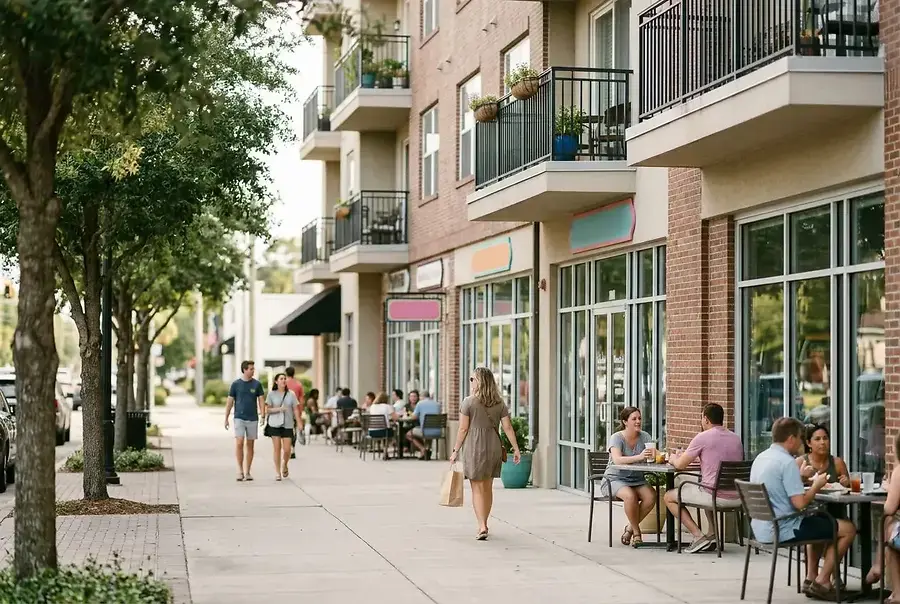
The retail landscape has undergone a dramatic transformation in recent years. With the rise of e-commerce and changing consumer behaviors, traditional standalone retail spaces have become increasingly challenging to lease and maintain. However, this challenge presents a unique opportunity for forward-thinking property owners in Gulfport. Converting underutilized retail spaces into mixed-use properties—developments that combine residential, commercial, and entertainment uses—can breathe new life into aging commercial real estate and generate substantial returns on investment.
Mixed-use developments have become the gold standard for urban and suburban revitalization. They create vibrant communities where people can live, work, shop, and dine in the same location. For Gulfport property owners, this trend represents a pathway to increased property values, diversified income streams, and enhanced community appeal. Whether you own a struggling shopping center, an aging strip mall, or a vacant retail building, conversion to mixed-use may be the strategic move that transforms your investment.
Assessing Your Property's Conversion Potential and Feasibility
Evaluating Location and Market Demand
Before committing to a conversion project, conduct a thorough assessment of your property's location and the local market. Consider these critical factors:
- Proximity to residential areas: Properties near established neighborhoods are ideal candidates for mixed-use conversion, as they can serve existing residents.
- Public transportation access: Locations with good transit connections attract more foot traffic and reduce parking demands.
- Demographic trends: Research population growth, age distribution, and income levels in your area to understand demand for residential and commercial spaces.
- Competitive landscape: Analyze existing mixed-use developments in Gulfport to identify gaps and opportunities in the market.
Structural and Infrastructure Considerations
Not all retail spaces are suitable for conversion. Evaluate your building's physical characteristics:
- Building condition: Assess the structural integrity, roof condition, HVAC systems, and electrical infrastructure. Older buildings may require significant upgrades.
- Floor plate design: Buildings with flexible floor plans and adequate ceiling heights are easier and more cost-effective to convert.
- Parking and loading: Determine if your property has sufficient parking for residential tenants and adequate loading areas for retail operations.
- Utility capacity: Verify that water, sewer, electrical, and gas systems can support increased density and mixed uses.
Financial Feasibility Analysis
Conduct a detailed financial analysis to determine if conversion makes economic sense. Calculate the total cost of conversion, including construction, permits, professional fees, and contingencies. Compare this against projected revenues from residential leases, retail tenants, and other income sources. A feasibility study should demonstrate that the project will achieve positive cash flow within a reasonable timeframe, typically 5-10 years.
Navigating Permits, Zoning, and Regulatory Requirements
Understanding Gulfport's Zoning Regulations
Zoning is perhaps the most critical regulatory hurdle in mixed-use conversion. Gulfport's zoning code determines what uses are permitted on your property. Some key considerations include:
- Current zoning designation: Determine your property's current zoning and whether mixed-use is permitted as-is or requires a variance.
- Conditional use permits: Some jurisdictions allow mixed-use developments through conditional use permits, which require approval but are more flexible than variances.
- Overlay districts: Gulfport may have special overlay districts that encourage or require mixed-use development in certain areas.
- Density and height restrictions: Understand limitations on building height, floor area ratio (FAR), and residential density that may affect your project scope.
Permit and Approval Process
Converting a retail space to mixed-use typically requires multiple permits and approvals:
- Site plan review: Submit detailed site plans showing the proposed layout, parking, landscaping, and building design.
- Building permits: Obtain permits for structural modifications, electrical upgrades, plumbing changes, and mechanical systems.
- Occupancy permits: Secure certificates of occupancy for each new use (residential, retail, office, etc.).
- Environmental assessments: Phase I and Phase II environmental site assessments may be required, particularly for older properties.
- Traffic and parking studies: Many jurisdictions require studies demonstrating adequate parking and acceptable traffic impacts.
Working with Local Authorities and Stakeholders
Success in navigating the regulatory landscape depends on building strong relationships with local officials and community stakeholders. Engage early with city planning departments, attend neighborhood meetings, and address community concerns proactively. Consider hiring experienced local consultants—architects, engineers, and land use attorneys—who understand Gulfport's specific requirements and political landscape.
Many municipalities offer incentives for mixed-use development, including tax abatements, density bonuses, or expedited permitting. Research what incentives Gulfport offers and incorporate them into your financial projections.
Conclusion: Unlocking Hidden Value in Your Commercial Real Estate
Converting retail spaces into mixed-use properties represents a compelling opportunity for Gulfport property owners to adapt to changing market conditions and unlock hidden value in their commercial real estate. By carefully assessing your property's potential, understanding the financial implications, and navigating the regulatory landscape, you can transform an underperforming asset into a thriving community hub.
The key to success is thorough due diligence, strategic planning, and professional guidance. Start by evaluating your property's location, physical condition, and market demand. Then, engage with local authorities and experienced professionals to understand the permitting and zoning requirements specific to your project. With the right approach, your retail conversion project can deliver strong financial returns while contributing to Gulfport's economic vitality and community development.
The future of commercial real estate belongs to properties that adapt and evolve. Mixed-use development is no longer a niche strategy—it's becoming the standard for successful commercial real estate investment. The question is not whether to consider conversion, but when to take action and capitalize on this transformative opportunity.


