Converting Retail Spaces Into Mixed-Use Properties in Nebraska
Strategic adaptation strategies for maximizing property value in Lincoln and Omaha's evolving commercial markets.

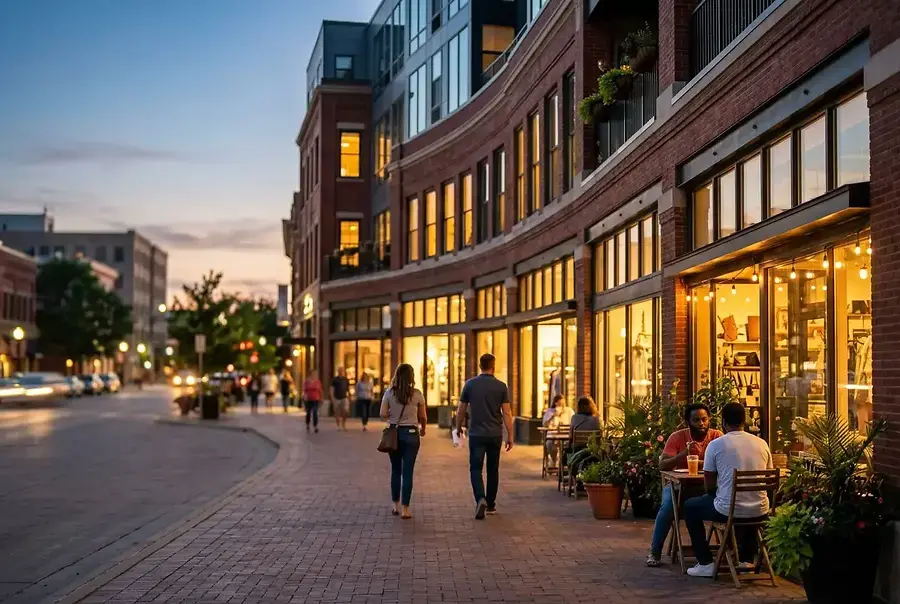
The Rise of Mixed-Use Development in Nebraska Markets
Nebraska's commercial real estate landscape is undergoing a significant transformation. Traditional single-use retail properties are giving way to innovative mixed-use developments that combine retail, residential, and office spaces under one roof. This shift reflects changing consumer preferences and the need for property owners to adapt to evolving market demands.
In Lincoln and Omaha, the trend toward mixed-use properties has accelerated dramatically. Downtown revitalization projects and suburban development initiatives have demonstrated the viability and profitability of these hybrid properties. Property owners who recognize this opportunity early can position themselves to capture substantial returns on investment.
Why Mixed-Use Properties Matter: Mixed-use developments create vibrant communities while generating multiple revenue streams. Rather than relying solely on retail tenants, property owners can lease residential units, office spaces, and ground-floor retail simultaneously, reducing vacancy risk and increasing overall property value.
Assessing Your Retail Property for Conversion Potential
Evaluating Structural and Mechanical Systems
Before committing to a conversion project, conduct a thorough assessment of your property's structural integrity. Hire a qualified engineer to evaluate:
- Foundation stability and load-bearing capacity
- Electrical systems and their ability to support residential or office usage
- HVAC systems and whether they can be upgraded for multiple tenant types
- Plumbing infrastructure and water pressure capabilities
- Roof condition and remaining lifespan
These evaluations will help determine conversion feasibility and identify potential cost overruns before they occur.
Analyzing Market Demand and Location
Location is paramount in mixed-use development success. Assess your property's proximity to:
- Public transportation hubs and parking availability
- Employment centers and business districts
- Educational institutions and cultural amenities
- Residential neighborhoods with strong demographic profiles
- Complementary retail and dining establishments
Properties in high-traffic areas with strong foot traffic and demographic diversity are ideal candidates for conversion. Lincoln's downtown corridor and Omaha's Old Market district exemplify locations where mixed-use conversions have thrived.
Financial Feasibility Analysis
Conduct a detailed financial analysis comparing conversion costs against projected revenues. Consider:
- Renovation and construction expenses
- Permitting and professional fees
- Financing costs and interest rates
- Projected rental income from residential and office units
- Retail revenue potential and tenant mix
- Operating expenses and property management costs
Pro Tip: Consult with a real estate financial advisor to model various scenarios and identify the optimal tenant mix for your specific property.
Design and Zoning Considerations for Successful Conversions
Navigating Zoning and Regulatory Requirements
Mixed-use conversions often require zoning variances or conditional use permits. Before designing your project, engage with local planning departments in Lincoln and Omaha to understand:
- Current zoning classifications and permitted uses
- Height restrictions and setback requirements
- Parking requirements for mixed-use properties
- Affordable housing mandates or incentives
- Historic preservation guidelines if applicable
Early engagement with city planners can streamline the approval process and prevent costly design revisions.
Creating Functional Mixed-Use Spaces
Successful mixed-use properties require thoughtful design that balances the needs of different tenant types. Key design considerations include:
- Separate Entrances: Provide distinct entry points for retail, residential, and office tenants to minimize conflicts and enhance security
- Parking Solutions: Implement shared parking strategies with staggered usage patterns to maximize efficiency
- Soundproofing: Install acoustic insulation between residential units and retail/office spaces
- Utility Separation: Design independent utility systems for different tenant types to simplify billing and maintenance
- Flexible Spaces: Incorporate adaptable floor plans that can accommodate various tenant types as market demands shift
Maximizing Retail Ground Floors
The ground floor remains critical for mixed-use success. Maintain high-quality retail spaces with:
- Large storefront windows and attractive facades
- Accessible loading zones for retail operations
- Pedestrian-friendly sidewalk areas and outdoor seating
- Strategic tenant mix that creates destination appeal
Successful mixed-use properties treat the ground floor as a community gathering space, not merely a revenue generator. This approach drives foot traffic that benefits all tenants.
Leveraging Technology and Sustainability
Modern mixed-use properties benefit from smart building technologies and sustainable design features. Consider incorporating:
- Energy-efficient HVAC and lighting systems
- Smart building management systems for operational efficiency
- EV charging stations for tenants and visitors
- Green roofs or solar panels for sustainability and cost savings
- Water conservation systems and rainwater harvesting
These investments enhance property appeal to environmentally conscious tenants and reduce long-term operating costs.
Positioning Your Property for Future Growth
Converting retail spaces into mixed-use properties represents a strategic opportunity for Nebraska property owners. The markets in Lincoln and Omaha continue to demonstrate strong demand for well-designed, strategically located mixed-use developments.
Success requires careful planning, thorough due diligence, and collaboration with experienced professionals including architects, engineers, financial advisors, and local government officials. By following these strategic adaptation strategies, you can transform underperforming retail assets into thriving mixed-use properties that generate sustainable returns and contribute to vibrant communities.
The time to act is now. As more property owners recognize the value of mixed-use conversions, early movers will capture the best opportunities and establish themselves as leaders in Nebraska's evolving commercial real estate market.