Converting Retail Spaces into Mixed-Use Properties in New York
Discover how to unlock hidden value by transforming traditional retail locations into profitable mixed-use developments.

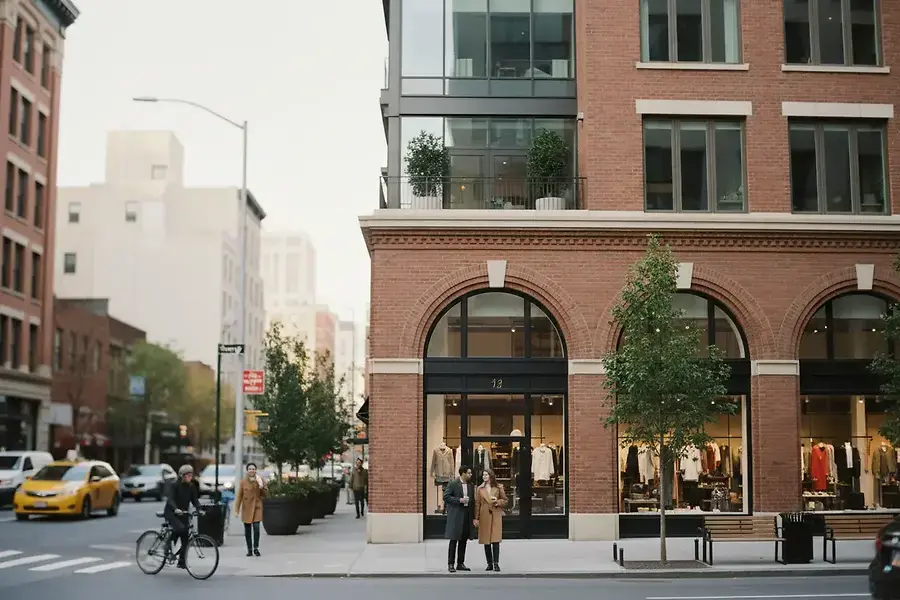
The Shift in New York's Retail Landscape and New Opportunities for Savvy Investors
New York's retail sector has undergone a dramatic transformation in recent years. The rise of e-commerce, changing consumer preferences, and the aftermath of pandemic-related disruptions have left many traditional retail spaces vacant or underutilized. However, this challenge presents a golden opportunity for forward-thinking investors and developers who recognize the potential in converting these spaces into mixed-use properties.
Mixed-use developments—properties that combine residential, commercial, and office spaces—have become increasingly attractive in New York's competitive real estate market. Rather than accepting lower returns from struggling retail operations, savvy investors are reimagining these spaces to meet the city's evolving needs. This shift isn't just about survival; it's about thriving in a market that demands versatility and innovation.
The opportunity is clear: retail spaces that once generated modest returns can now become anchors for comprehensive mixed-use developments that command premium prices and attract diverse tenant bases.
Understanding Market Demand: Why Mixed-Use Properties Are Commanding Premium Prices in Manhattan and Beyond
The Appeal of Mixed-Use Development
Mixed-use properties have become the gold standard in urban real estate development. Investors and tenants alike recognize the value of having residential, retail, office, and entertainment spaces under one roof. This integration creates vibrant neighborhoods, reduces commute times, and maximizes property utilization.
In Manhattan and surrounding boroughs, mixed-use properties consistently outperform single-use retail locations in terms of:
- Rental income diversity: Multiple revenue streams from different tenant types reduce vacancy risk
- Property valuation: Mixed-use developments typically command 20-40% higher valuations than comparable single-use properties
- Tenant retention: The integrated nature of mixed-use spaces encourages longer lease terms and more stable occupancy rates
- Market resilience: When one sector faces challenges, others can compensate, providing financial stability
Market Data and Investor Interest
The demand for mixed-use properties continues to accelerate. Institutional investors, REITs, and private developers are actively seeking conversion opportunities. This heightened competition means that properties with strong conversion potential are being acquired at premium prices, reflecting investor confidence in the mixed-use model.
The key insight: Properties that can successfully transition from retail-only to mixed-use are positioned to capture significant appreciation and generate superior long-term returns.
Practical Conversion Strategies: Zoning, Permits, and Design Considerations for New York Commercial Spaces
Navigating Zoning Requirements
Converting retail spaces into mixed-use properties requires careful navigation of New York's complex zoning regulations. Each borough and neighborhood has specific zoning codes that determine what uses are permitted on a given property.
- Zoning verification: Begin by obtaining a detailed zoning report from the Department of City Planning to understand current restrictions and permitted uses
- Variance applications: If your desired mixed-use configuration doesn't align with current zoning, you may need to apply for a variance or special permit
- Community Board approval: Many conversions require Community Board review and approval, making stakeholder engagement essential
- Inclusionary housing: New York often requires a percentage of residential units to be affordable, which impacts project economics
Permitting and Regulatory Compliance
The permitting process for mixed-use conversions is rigorous but manageable with proper planning. Key steps include:
- Obtaining a Certificate of Occupancy (CO) for new uses
- Complying with building code requirements for structural modifications
- Addressing environmental assessments and remediation if necessary
- Securing necessary approvals from the Department of Buildings
Pro tip: Engage experienced architects and legal counsel early in the process. Their expertise can streamline approvals and prevent costly delays.
Design Considerations for Successful Conversions
Successful mixed-use conversions require thoughtful design that balances multiple uses while maintaining the property's character and appeal.
Ground Floor Retail Strategy
Preserve ground-floor retail to maintain street-level activation and generate consistent revenue. This creates vibrant streetscapes that benefit the entire development and surrounding neighborhood.
Residential Integration
Upper floors can be converted to residential units, either market-rate or affordable housing. Modern residential conversions should include:
- Adequate parking or proximity to public transportation
- Modern amenities and building systems
- Sound insulation between retail and residential areas
- Separate entrances for residential tenants
Office and Flex Space
Mid-level floors can accommodate office space, co-working facilities, or flexible commercial space. This diversifies revenue and appeals to modern businesses seeking adaptable work environments.
Financial Considerations
Conversion projects require substantial capital investment. Budget for:
- Structural modifications and building systems upgrades
- Permitting and legal fees
- Architectural and engineering services
- Contingency reserves (typically 15-20% of project costs)
Many developers utilize tax incentives, including the Adaptive Reuse Tax Credit and Historic Preservation Tax Credits, to offset conversion costs and improve project economics.
Positioning Yourself as a Mixed-Use Development Expert in New York's Evolving Market
The conversion of retail spaces into mixed-use properties represents one of the most compelling opportunities in New York real estate. Success requires understanding market dynamics, navigating regulatory frameworks, and executing thoughtful design strategies.
Key takeaways for investors and developers:
- Mixed-use properties command premium valuations and generate superior returns compared to single-use retail
- Zoning and permitting processes are complex but navigable with proper expertise and planning
- Thoughtful design that balances multiple uses creates vibrant, resilient properties
- Early engagement with architects, legal counsel, and community stakeholders is essential
As New York's retail landscape continues to evolve, the ability to identify conversion opportunities and execute successful mixed-use developments will distinguish leading investors and developers. The market is rewarding those who embrace this transformation, and the opportunity window remains wide open for those ready to capitalize on it.
The future of New York real estate belongs to those who can see beyond traditional retail and envision vibrant, mixed-use communities that serve the city's diverse needs.