Converting Retail Spaces into Modern Office Hubs in Birmingham
Discover how Birmingham commercial property owners are adapting retail locations into flexible workspace solutions that attract today's businesses.

Introduction: The Shift in Birmingham's Commercial Real Estate Landscape
Birmingham's commercial real estate market is undergoing a significant transformation. The rise of e-commerce and changing consumer habits have left many retail spaces vacant, creating both challenges and unprecedented opportunities for property owners. Rather than accepting declining revenues from traditional retail leases, forward-thinking developers and landlords are reimagining these spaces as modern office hubs that cater to the evolving needs of contemporary businesses.
This shift represents more than just a temporary adaptation—it's a fundamental reimagining of how commercial spaces function in urban environments. Birmingham, with its strategic location and growing business community, is at the forefront of this conversion movement, attracting companies seeking flexible, cost-effective workspace solutions.
Understanding the Demand for Flexible Office Spaces in Birmingham
The Rise of Hybrid and Flexible Work Models
The modern workforce has fundamentally changed how businesses approach office space. Companies no longer require sprawling traditional offices with fixed desk arrangements. Instead, they're seeking flexible workspace solutions that accommodate hybrid work models, collaborative environments, and scalable operations.
Birmingham's businesses—from startups to established enterprises—are increasingly demanding:
- Open-plan collaborative areas for team interactions
- Private meeting rooms and quiet zones for focused work
- High-speed internet infrastructure and modern amenities
- Flexible lease terms that allow for growth or contraction
- Affordable pricing compared to traditional office buildings
Why Retail Spaces Are Ideal for Conversion
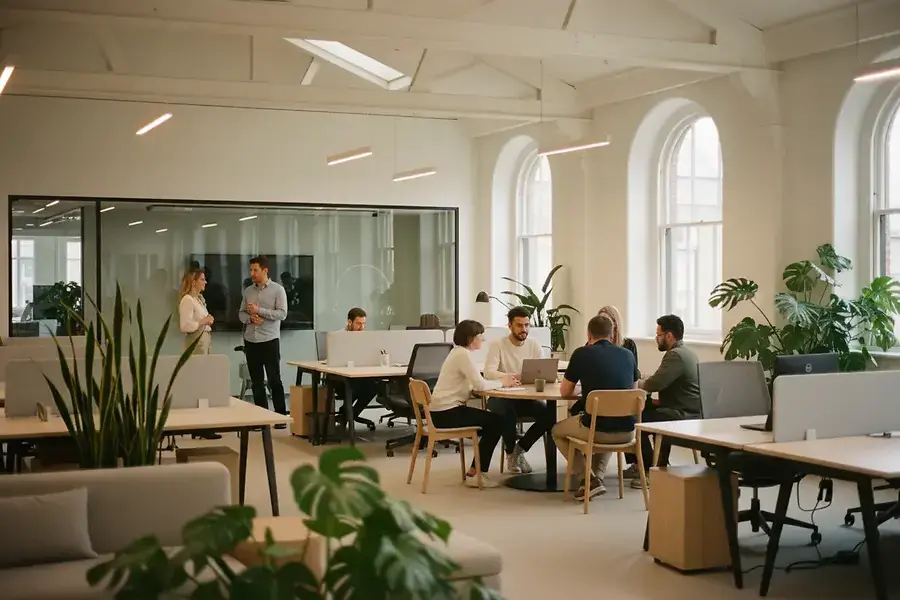
Retail locations offer several inherent advantages for office conversion. These spaces typically feature high ceilings, large open floor plans, and excellent natural lighting—all desirable characteristics for modern workspaces. Additionally, retail properties are often located in prime commercial districts with excellent accessibility, parking facilities, and proximity to amenities like restaurants and public transportation.
The cost advantage is equally compelling. Converting existing retail spaces is often more economical than constructing new office buildings, allowing property owners to offer competitive rental rates while maintaining healthy profit margins.
Conversion Strategies: From Retail to Modern Workspace
Structural and Design Considerations
Successful retail-to-office conversions require careful planning and strategic design decisions. The first step involves assessing the property's structural integrity and layout potential. Key modifications typically include:
- Partitioning and Layout Design: Creating flexible spaces that can be divided into individual offices, open-plan areas, or meeting rooms based on tenant needs
- Electrical and IT Infrastructure: Upgrading power distribution and installing comprehensive networking systems to support modern business operations
- HVAC Systems: Installing or upgrading climate control systems designed for office occupancy rather than retail foot traffic
- Lighting Upgrades: Implementing energy-efficient LED systems and natural light optimization to create productive work environments
- Accessibility Compliance: Ensuring full compliance with disability access regulations and modern building codes
Creating Amenity-Rich Environments
Successful modern office hubs go beyond basic workspace provision. Property owners are investing in premium amenities that enhance tenant satisfaction and justify competitive rental rates:
- Dedicated break rooms and kitchen facilities
- Wellness spaces including meditation areas and fitness facilities
- Secure bike storage and electric vehicle charging stations
- Collaborative zones with modern furniture and technology
- Professional reception areas and visitor management systems
Technology Integration
Modern office hubs must be equipped with cutting-edge technology infrastructure. This includes robust broadband connectivity, cloud-based building management systems, smart security features, and integrated communication platforms. Properties that offer these technological advantages attract premium tenants and command higher rental rates.
Maximizing ROI and Tenant Appeal in Converted Commercial Properties
Strategic Pricing and Lease Structures
One of the primary advantages of converted retail spaces is the ability to offer flexible pricing models that appeal to diverse tenant profiles. Property owners can structure leases to accommodate:
- Long-term corporate tenants seeking stable, predictable costs
- Startups and SMEs requiring shorter lease terms and scalable space
- Co-working operators seeking to establish new locations
- Professional service providers needing prestigious addresses
This flexibility allows property owners to maintain high occupancy rates while optimizing revenue streams across different tenant segments.
Marketing and Tenant Acquisition
Successfully converting retail spaces requires effective marketing strategies that highlight the unique benefits of the converted property.
Properties that effectively communicate their advantages—location, amenities, flexibility, and cost-effectiveness—attract quality tenants more quickly and command premium rental rates.
Effective marketing approaches include:
- Digital showcases and virtual tours highlighting the workspace
- Partnerships with commercial real estate agents specializing in office space
- Networking with local business organizations and chambers of commerce
- Case studies demonstrating successful tenant experiences
- Social media campaigns targeting business decision-makers
Long-Term Value Creation
The conversion of retail spaces into modern office hubs represents a sustainable long-term investment strategy. As demand for flexible workspace continues to grow, properties that successfully adapt to this trend will experience:
- Increased property valuations based on stable, diversified tenant bases
- Reduced vacancy periods through flexible lease offerings
- Higher tenant retention rates due to superior amenities and service
- Opportunities for premium pricing as the market recognizes the value of modern office hubs
- Reduced exposure to retail market volatility
Conclusion: The Future of Birmingham's Commercial Real Estate
Birmingham's transformation of retail spaces into modern office hubs represents a smart adaptation to changing market dynamics. Property owners who embrace this conversion strategy position themselves to capitalize on the growing demand for flexible, high-quality workspace solutions. By combining strategic design, premium amenities, and flexible lease structures, converted retail properties can deliver exceptional returns while meeting the evolving needs of Birmingham's dynamic business community.
The future of commercial real estate in Birmingham belongs to those who recognize that flexibility, innovation, and tenant-centric design are the keys to success in today's market.


