Converting Retail Spaces Into Profitable Commercial Ventures in Watertown
Discover how to identify and transform underutilized retail properties into thriving commercial investments in Watertown, SD.

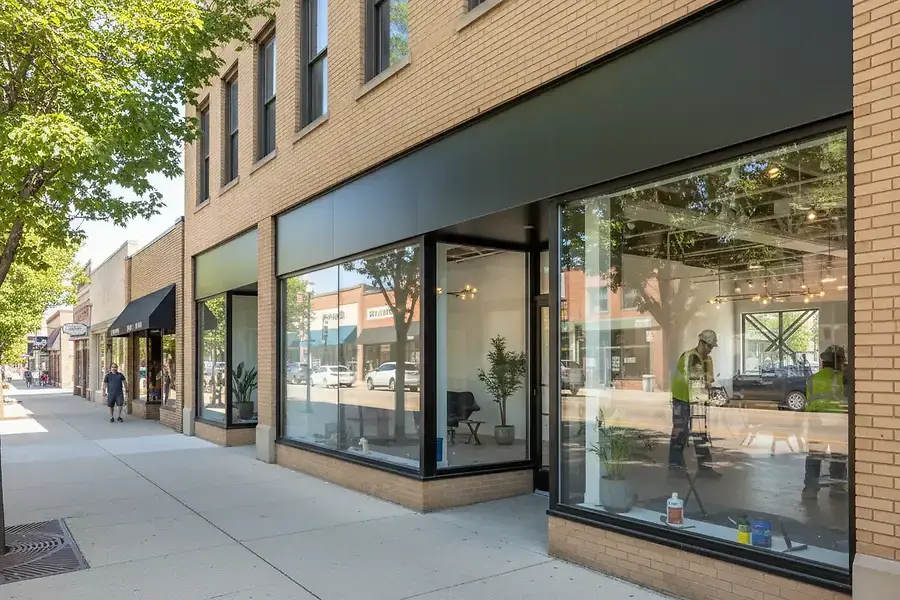
Introduction: The Untapped Potential of Watertown's Retail Landscape
Watertown, South Dakota presents a unique opportunity for savvy commercial investors looking to capitalize on underutilized retail properties. The changing retail landscape has left numerous storefronts and commercial spaces available at attractive price points, creating an ideal environment for strategic property conversions. Rather than viewing these vacant or underperforming retail locations as liabilities, forward-thinking entrepreneurs are recognizing them as blank canvases ready for transformation into diverse, profitable commercial ventures.
The key to success lies in understanding the local market dynamics, identifying properties with genuine conversion potential, and executing a well-planned renovation and leasing strategy. This guide will walk you through the essential steps to transform Watertown's retail spaces into thriving commercial investments that generate consistent returns.
Strategic Assessment: Evaluating Property Conversion Opportunities and Market Demand
Analyzing Market Conditions and Demographics
Before committing capital to any property conversion project, conduct a thorough analysis of Watertown's current commercial real estate market. Examine demographic trends, population growth patterns, and local business development initiatives. Understanding who lives and works in Watertown will help you identify which commercial uses will thrive in converted retail spaces.
Key factors to evaluate include:
- Population density and growth rates in surrounding neighborhoods
- Employment centers and major employers in the area
- Foot traffic patterns and pedestrian accessibility
- Existing commercial competition and market gaps
- Local zoning regulations and development incentives
Identifying High-Potential Properties
Not all retail spaces are created equal. Focus on properties that offer the best conversion potential based on location, structural integrity, and market demand. Properties in high-traffic areas with strong visibility and accessibility typically command premium lease rates and attract quality tenants more easily.
Evaluate each property for:
- Structural soundness and building systems condition
- Parking availability and accessibility
- Proximity to complementary businesses and services
- Visibility from major roads and intersections
- Flexibility of floor plans for various commercial uses
Assessing Conversion Feasibility
Determine what types of commercial ventures would work best in each space. Office suites, professional services, fitness studios, co-working spaces, and specialized retail are all viable conversion options depending on the property's characteristics and local demand. Consult with commercial real estate professionals and local business leaders to validate your conversion concepts.
Implementation Guide: Renovation, Zoning, and Tenant Acquisition Strategies
Navigating Zoning and Regulatory Requirements
Before beginning any renovation work, thoroughly research Watertown's zoning ordinances and building codes. Some retail spaces may require zoning variances or conditional use permits for alternative commercial uses. Engage with the city planning department early in your process to understand requirements and timelines for approvals.
Essential steps include:
- Obtaining current zoning classification and permitted uses
- Identifying any required variances or special permits
- Understanding parking, signage, and accessibility requirements
- Reviewing building code compliance needs
- Budgeting for permit fees and approval timelines
Planning Strategic Renovations
Successful conversions balance aesthetic appeal with functional efficiency. Work with architects and contractors experienced in commercial conversions to develop renovation plans that maximize the property's appeal to target tenants while controlling costs. Focus on improvements that directly impact tenant attraction and rental rates.
Prioritize renovations that address:
- HVAC and mechanical system upgrades
- Electrical capacity and modern wiring
- Plumbing and restroom facilities
- Flooring and wall finishes
- Lighting and energy efficiency
- ADA compliance and accessibility
Smart investors understand that renovation quality directly impacts both tenant satisfaction and long-term property value. Cutting corners on essential systems often leads to higher vacancy rates and reduced returns.
Developing a Tenant Acquisition Strategy
Begin marketing your converted spaces before renovation is complete. Identify target tenants based on your market analysis and property characteristics. Professional office users, healthcare providers, fitness facilities, and specialized service businesses often seek well-maintained commercial spaces in accessible locations.
Effective tenant acquisition involves:
- Creating professional marketing materials and property brochures
- Listing properties on commercial real estate platforms
- Networking with local business brokers and commercial agents
- Hosting property tours and open houses for prospective tenants
- Offering competitive lease terms and flexible arrangements for quality tenants
- Conducting thorough tenant screening and credit verification
Structuring Lease Agreements
Develop lease terms that balance tenant affordability with your investment returns. Consider offering tiered pricing for multi-year commitments or providing tenant improvement allowances to attract quality long-term occupants. Clear, comprehensive lease agreements protect your interests while establishing positive landlord-tenant relationships.
Conclusion: Maximizing Returns on Commercial Property Conversions
Converting retail spaces into profitable commercial ventures in Watertown represents a compelling investment opportunity for those willing to conduct thorough market research and execute strategic renovation and leasing plans. Success requires careful property selection, understanding local market dynamics, navigating regulatory requirements, and implementing effective tenant acquisition strategies.
By following this comprehensive approach, investors can transform underutilized retail properties into stable, income-generating commercial assets that contribute to Watertown's economic vitality while generating attractive returns. The key is viewing each property conversion as a unique opportunity requiring customized analysis and strategic planning rather than a one-size-fits-all approach.
Start your commercial property conversion journey today by identifying promising retail spaces in Watertown and conducting detailed feasibility assessments. With proper planning and execution, these underutilized properties can become your most profitable commercial investments.