Converting Retail Spaces into Profitable Multi-Tenant Buildings
Learn how Lafayette commercial property owners are maximizing revenue by transforming single-use retail into diversified multi-tenant developments.

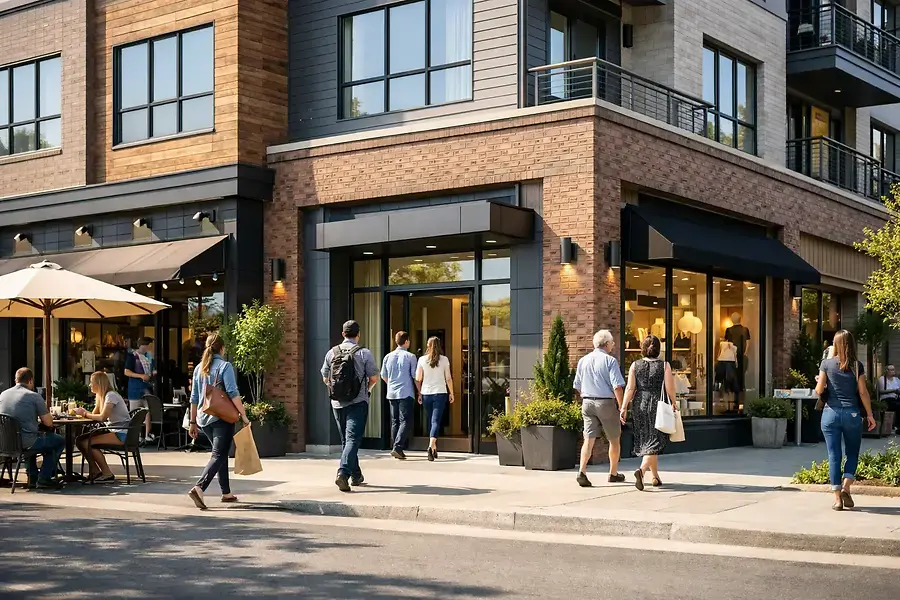
The Shift from Single-Tenant to Multi-Tenant Retail
The commercial real estate landscape in Lafayette is undergoing a significant transformation. Property owners who once relied on single-tenant retail arrangements are discovering that diversification offers greater financial stability and higher returns on investment. This shift represents more than just a trend—it's a strategic response to changing market dynamics and evolving consumer behaviors.
Single-tenant retail spaces have traditionally offered simplicity and predictable income streams. However, they come with substantial risks. When a major tenant relocates or closes, property owners face extended vacancies and significant revenue loss. Multi-tenant buildings, by contrast, distribute risk across multiple income sources, ensuring that one tenant's departure doesn't devastate the property's profitability.
Why Property Owners Are Making the Switch
The decision to convert retail spaces into multi-tenant buildings stems from several compelling factors:
- Risk Mitigation: Multiple revenue streams reduce dependency on any single tenant
- Higher Occupancy Rates: Easier to fill smaller spaces than large single-tenant areas
- Increased Property Value: Diversified income typically commands higher valuations
- Flexibility: Ability to adapt to market changes and tenant needs
- Enhanced Tenant Retention: Complementary businesses create a vibrant ecosystem
Understanding the Lafayette Market Demand for Diverse Commercial Tenants
Lafayette's commercial market has matured significantly, with property owners recognizing that today's consumers and businesses seek integrated, walkable environments. The demand for diverse commercial tenants reflects broader economic and social trends that savvy property owners are capitalizing on.
Current Market Trends in Lafayette
The Lafayette market demonstrates strong demand for mixed-use commercial spaces. Small businesses, professional services, and niche retailers are actively seeking affordable, well-located spaces. This creates an ideal environment for property owners willing to subdivide larger retail areas into smaller, more manageable units.
Key tenant categories in high demand include:
- Professional services (accounting, legal, consulting)
- Health and wellness businesses (fitness studios, therapy offices)
- Food and beverage establishments (cafes, restaurants)
- Specialty retail and boutiques
- Co-working and flexible office spaces
- Personal services (salons, spas)
Consumer Preferences Driving Diversification
Modern consumers increasingly prefer destinations where they can accomplish multiple tasks in one visit. A property featuring a coffee shop, fitness studio, and professional offices creates a synergistic environment that attracts foot traffic and encourages longer visits. This clustering effect benefits all tenants and maximizes property utilization.
Additionally, the rise of remote work has created demand for flexible office spaces and professional service providers. Property owners who recognize these trends and adapt their spaces accordingly position themselves for sustained profitability.
Renovation and Design Strategies for Multi-Tenant Conversion Success
Converting a single-tenant retail space into a successful multi-tenant building requires careful planning, strategic design, and thoughtful execution. The renovation process is more complex than simply dividing space—it demands attention to functionality, aesthetics, and tenant compatibility.
Planning and Assessment Phase
Before breaking ground, property owners must conduct thorough market analysis and feasibility studies. This includes evaluating the property's location, existing infrastructure, and potential tenant mix. Understanding local zoning regulations and building codes is essential to avoid costly delays or modifications.
Key considerations during planning:
- Structural capacity and load-bearing walls
- HVAC and utility distribution systems
- Parking availability and accessibility
- Entrance and exit configurations
- ADA compliance requirements
Design and Layout Optimization
Successful multi-tenant conversions prioritize flexible, efficient layouts. Each tenant space should be self-contained with independent utilities and entrances where possible. This independence reduces operational complexity and allows tenants to operate without disrupting neighbors.
Design best practices include:
- Creating distinct, branded storefronts for each tenant
- Designing common areas that encourage foot traffic
- Implementing efficient utility metering for individual tenants
- Ensuring adequate signage and wayfinding
- Incorporating modern, attractive finishes that appeal to quality tenants
Infrastructure and Systems Upgrades
Multi-tenant buildings demand robust infrastructure. Upgrading electrical systems, HVAC, plumbing, and internet connectivity is crucial. Modern tenants expect reliable utilities and high-speed internet—amenities that differentiate competitive properties.
Property owners should also consider implementing smart building technologies for energy management and security. These systems reduce operational costs while providing tenants with modern conveniences.
Tenant Mix Strategy
The selection of tenants significantly impacts the property's success. Complementary businesses create synergy, while incompatible tenants can generate conflicts. A successful tenant mix balances anchor tenants (established businesses that draw traffic) with specialty retailers and service providers.
Strategic tenant selection transforms a collection of individual businesses into a cohesive destination that benefits all parties involved.
Building Long-Term Profitability Through Strategic Diversification
Converting retail spaces into multi-tenant buildings represents a long-term investment strategy that yields substantial returns. Property owners who approach this transformation strategically position themselves for sustained profitability and resilience against market fluctuations.
Financial Benefits and ROI
Multi-tenant properties typically generate higher net operating income than single-tenant alternatives. While conversion costs are significant, the increased rental revenue and reduced vacancy risk create compelling financial returns. Properties with diverse tenant bases command premium valuations in the market.
Operational Excellence and Tenant Relations
Successful multi-tenant properties require professional management and responsive tenant relations. Property owners who invest in quality management services, regular maintenance, and tenant communication build strong communities that attract and retain quality businesses.
Creating a positive tenant experience—through responsive maintenance, fair lease terms, and community-building initiatives—encourages lease renewals and positive word-of-mouth marketing.
Adapting to Future Market Changes
The commercial real estate market continues to evolve. Property owners who build flexibility into their multi-tenant conversions can adapt to emerging trends. Modular design, flexible lease terms, and willingness to accommodate new business models ensure long-term relevance and profitability.
Lafayette property owners who embrace the multi-tenant model position themselves at the forefront of commercial real estate innovation. By understanding market demand, executing thoughtful renovations, and maintaining operational excellence, they create properties that generate consistent returns while serving their communities.
The transformation from single-tenant to multi-tenant retail represents not just a renovation project, but a strategic evolution that maximizes property potential and builds lasting value.