Converting Retail Spaces to Mixed-Use Developments in Tallahassee
Discover how to maximize property value by transforming traditional retail locations into thriving mixed-use developments.

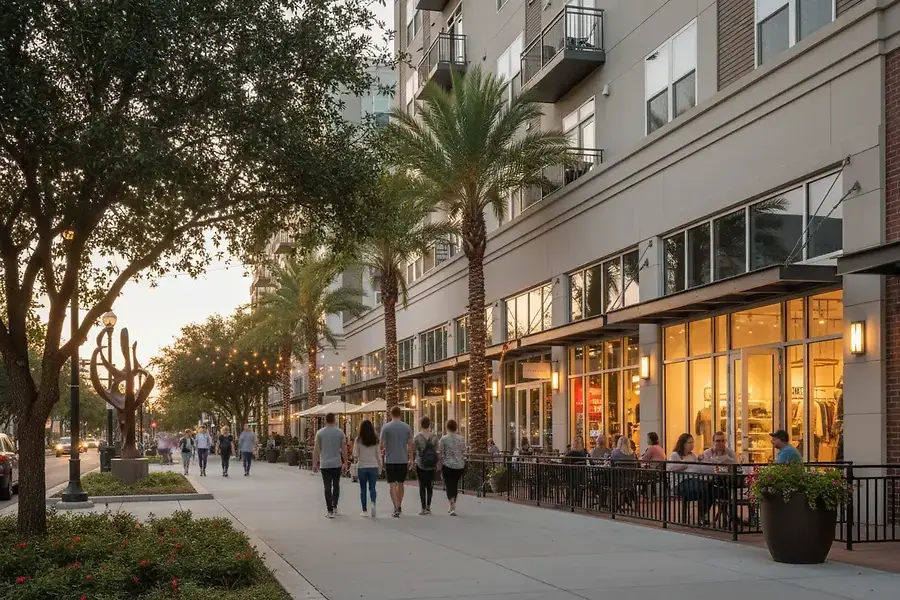
The Rise of Mixed-Use Development in Tallahassee
Fernanda Biselli, MBA is a Broker Associate with Harrison Commercial Properties- Tallahassee's commercial real estate landscape is undergoing a significant transformation. Traditional retail spaces that once thrived in shopping centers and downtown corridors are facing unprecedented challenges from e-commerce and changing consumer habits. However, savvy property owners are discovering a powerful solution: converting these underutilized retail spaces into mixed-use developments that blend residential, commercial, and entertainment components.
Mixed-use developments represent the future of urban and suburban real estate in Tallahassee. By combining multiple uses within a single property or development, owners can create vibrant communities that attract diverse tenants and generate multiple revenue streams. This approach not only revitalizes struggling retail properties but also addresses the region's growing demand for walkable, integrated neighborhoods.
Understanding Market Demand for Retail-to-Mixed-Use Conversions
The Shift in Consumer Behavior
The retail landscape has fundamentally changed. Consumers increasingly prefer experiences over transactions, and they value convenience and community. Mixed-use developments cater to these preferences by offering residential living spaces above or adjacent to retail establishments, dining venues, and entertainment options. This creates a self-sustaining ecosystem where residents and visitors naturally support local businesses.
Demographic Trends Favoring Mixed-Use Living
Tallahassee's population includes growing segments that actively seek mixed-use environments:
- Young professionals who want walkable neighborhoods with easy access to work, dining, and entertainment
- Empty nesters downsizing from single-family homes and seeking urban convenience
- Students and young families attracted to vibrant, mixed-income communities
- Remote workers who prioritize lifestyle and community over proximity to a single office location
These demographics represent significant rental and purchasing power, making mixed-use developments an attractive investment for property owners willing to adapt their business models.
Economic Benefits and Revenue Diversification
Converting retail spaces to mixed-use developments offers compelling financial advantages. Rather than relying solely on retail tenants—who may struggle with foot traffic and sales—property owners can generate revenue from:
- Residential leases (typically more stable and predictable)
- Commercial office space rentals
- Ground-floor retail and dining establishments
- Parking facilities and services
- Event spaces and community amenities
This diversification reduces vacancy risk and creates more resilient income streams, ultimately maximizing long-term property value.
Key Considerations: Zoning, Financing, and Tenant Mix Strategies
Navigating Zoning and Regulatory Requirements
Before converting a retail space, property owners must thoroughly understand Tallahassee's zoning regulations. Many retail properties are zoned exclusively for commercial use, which may prohibit residential components. The conversion process typically requires:
- Zoning variance applications or rezoning requests to allow mixed-use development
- Comprehensive plan reviews to ensure alignment with city development goals
- Community engagement and public hearings to address neighborhood concerns
- Architectural and design compliance with local standards
Engaging with city planners early in the process can streamline approvals and identify potential obstacles before significant investment is made.
Securing Financing for Conversion Projects
Mixed-use conversions require substantial capital investment, and traditional financing can be challenging. Property owners should explore multiple funding options:
- Construction loans specifically designed for adaptive reuse projects
- Historic preservation tax credits if the building qualifies
- New Markets Tax Credits for developments in designated areas
- Public-private partnerships with local government agencies
- Investor partnerships to share risk and capital requirements
Lenders increasingly recognize the viability of mixed-use developments, making financing more accessible than in previous years. A well-developed business plan and feasibility study are essential for securing favorable terms.
Crafting the Ideal Tenant Mix
The success of a mixed-use development depends heavily on tenant selection. A balanced mix creates synergy and cross-traffic that benefits all tenants. Consider including:
Ground-floor retail and dining that attracts foot traffic and creates vibrant streetscapes, office space for professional services and startups, and residential units that provide consistent revenue and support local businesses.
Avoid clustering competing businesses or creating imbalanced tenant mixes. For example, too many restaurants without adequate residential units may struggle during off-peak hours. Conversely, purely residential developments miss opportunities for ground-floor activation and community gathering spaces.
Design and Infrastructure Considerations
Successful conversions require thoughtful design that integrates different uses seamlessly. Key considerations include:
- Parking solutions that serve both residents and retail customers without dominating the streetscape
- Pedestrian connectivity that encourages walking between residential and commercial areas
- Loading zones and service areas that don't interfere with customer experience
- Noise and vibration mitigation between residential and commercial spaces
- Shared amenities like courtyards, plazas, or community rooms that foster interaction
Positioning Your Commercial Property for Long-Term Growth
Converting retail spaces to mixed-use developments is not a quick fix but rather a strategic investment in long-term property value and community impact. Property owners who embrace this transformation position themselves to benefit from Tallahassee's evolving real estate market.
The key to success lies in thorough planning, stakeholder engagement, and a clear understanding of local market dynamics. By addressing zoning challenges early, securing appropriate financing, and carefully curating tenant mixes, property owners can transform struggling retail properties into thriving mixed-use communities that generate stable returns and contribute to Tallahassee's urban vitality.
The future of commercial real estate in Tallahassee belongs to those who can adapt and innovate. Mixed-use development represents not just a trend, but a fundamental shift in how communities are built and how property owners create value. For those ready to embrace this transformation, the opportunities are substantial and the rewards are significant.