Converting Retail Spaces to Office in Indianola and Inverness
Discover the strategic advantages and practical steps for transforming underutilized retail properties into modern office spaces in Mississippi's growing commercial markets.

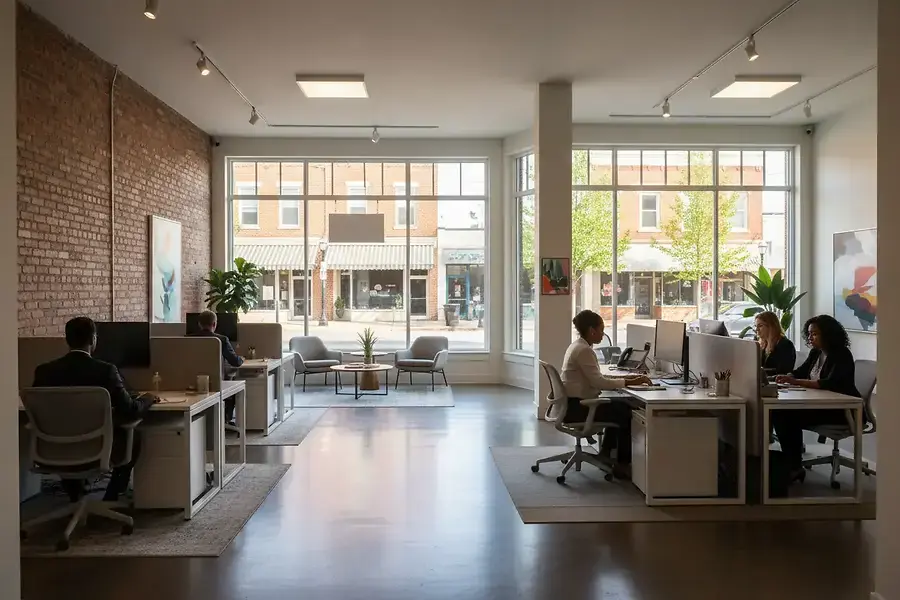
Introduction: The Retail-to-Office Conversion Opportunity
The commercial real estate landscape across Mississippi is undergoing a significant transformation. With the rise of remote work and changing consumer shopping habits, many retail spaces in Indianola and Inverness sit underutilized or vacant. However, this challenge presents a remarkable opportunity for property owners and investors willing to adapt. Converting retail spaces into modern office environments has become a strategic and financially viable solution that addresses the growing demand for professional workspace while revitalizing commercial districts.
The shift from retail to office conversion is not merely a trend—it represents a fundamental restructuring of how communities use their commercial real estate. Property owners who recognize this opportunity early can position themselves to capture significant returns while contributing to the economic vitality of their communities.
Market Analysis: Commercial Space Demand in Indianola and Inverness
Understanding the Current Market Dynamics
Both Indianola and Inverness have experienced notable changes in their commercial real estate markets. The demand for office space has grown steadily as businesses seek flexible, professional environments for their operations. Meanwhile, traditional retail spaces have faced headwinds due to e-commerce competition and evolving consumer preferences.
Key market indicators suggest strong potential for conversion projects:
- Increased office space demand: Local businesses and remote-based companies are actively seeking affordable, well-located office solutions
- Abundant retail inventory: Numerous vacant or underperforming retail properties are available at reasonable acquisition costs
- Growing professional workforce: Both communities are attracting professionals who require modern office amenities
- Lower conversion costs: Compared to new construction, converting existing retail spaces offers significant cost savings
Target Tenant Profile
The ideal tenants for converted office spaces in these markets include small to mid-sized professional services firms, consulting companies, financial advisors, healthcare practitioners, and technology-based businesses. These sectors value location, affordability, and flexibility—all advantages that converted retail spaces can provide.
Conversion Process: Zoning, Permits, and Renovation Considerations
Zoning and Legal Requirements
Before embarking on a conversion project, property owners must navigate the zoning landscape. The first critical step is consulting with local planning and zoning departments in both Indianola and Inverness to understand current zoning classifications and permitted uses.
Key zoning considerations include:
- Verifying that office use is permitted in the property's current zoning district
- Understanding any conditional use permits or variances that may be required
- Reviewing parking requirements, which may differ between retail and office uses
- Assessing setback, height, and signage regulations applicable to office spaces
Permitting and Approval Process
Once zoning compatibility is confirmed, property owners must obtain necessary permits and approvals. This typically involves submitting detailed renovation plans to local building departments. The permitting process generally includes:
- Building permits: Required for structural modifications, electrical work, and HVAC system changes
- Occupancy permits: New certificates of occupancy reflecting the office use classification
- Environmental assessments: Phase I environmental site assessments may be required, particularly for older retail properties
- ADA compliance reviews: Ensuring accessibility standards are met throughout the converted space
Renovation and Design Considerations
Successful retail-to-office conversions require thoughtful design and strategic renovation planning. Unlike retail spaces designed for customer traffic and product display, office environments prioritize functionality, comfort, and professional aesthetics.
Essential renovation elements include:
- HVAC systems: Upgrading heating and cooling systems to accommodate office occupancy loads and comfort standards
- Electrical infrastructure: Installing adequate power distribution for computers, lighting, and office equipment
- Plumbing modifications: Adding or reconfiguring restrooms to meet office code requirements
- Flooring and finishes: Replacing retail flooring with professional-grade materials suitable for office environments
- Lighting design: Installing modern lighting systems that reduce glare and provide appropriate illumination for desk work
- Acoustic treatment: Adding sound insulation to create professional, distraction-free work environments
- Technology infrastructure: Installing structured cabling, internet connectivity, and network systems
Cost Estimation and Financial Planning
Conversion costs vary significantly based on the property's current condition and the extent of renovations required. Property owners should budget for:
- Structural and mechanical upgrades: 30-40% of total project costs
- Interior finishes and design: 25-35% of total project costs
- Permits, professional fees, and contingencies: 20-30% of total project costs
Conducting a thorough pre-conversion assessment helps establish realistic budgets and timelines. Engaging experienced contractors familiar with commercial conversions ensures quality outcomes and helps avoid costly surprises.
Conclusion: Maximizing Returns on Commercial Property Conversions
Converting retail spaces to office use in Indianola and Inverness represents a compelling opportunity for property owners seeking to adapt to changing market conditions. The combination of growing office space demand, available retail inventory, and reasonable conversion costs creates an attractive investment scenario.
Success requires careful planning, thorough understanding of local regulations, and strategic execution. Property owners who invest time in market research, engage qualified professionals, and maintain focus on tenant needs will be well-positioned to achieve strong financial returns while contributing to vibrant, economically healthy communities.
The retail-to-office conversion opportunity is not temporary—it reflects fundamental, lasting changes in how communities use commercial real estate. Those who act strategically today will benefit from this transformation for years to come.


