Converting Retail Spaces to Residential: LA's Adaptive Reuse Opportunity
Discover how smart investors are capitalizing on Los Angeles' growing demand for mixed-use properties by transforming underutilized commercial spaces into profitable residential units.

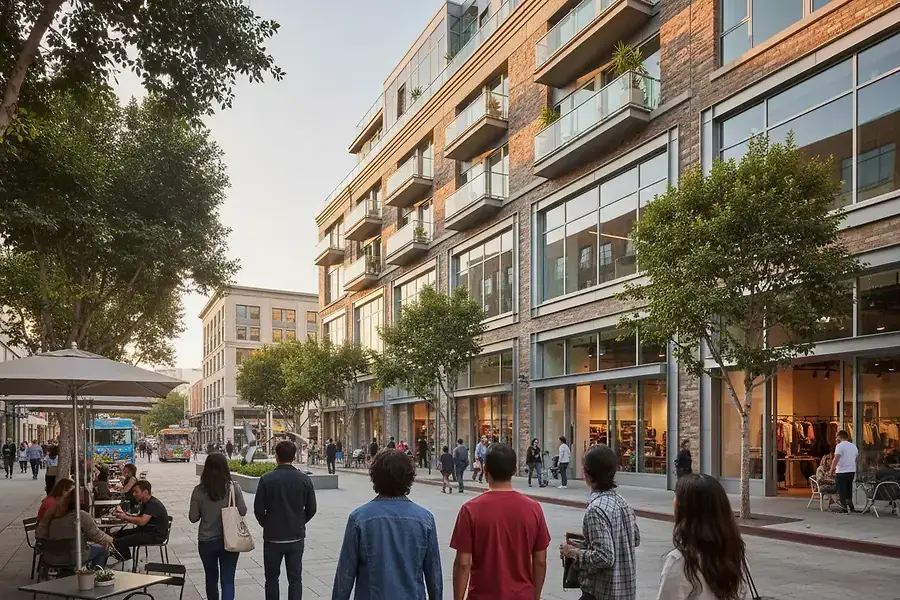
The Shift in LA's Real Estate Market
Los Angeles is experiencing a fundamental transformation in its real estate landscape. The traditional retail sector has faced unprecedented challenges, leaving countless commercial spaces vacant and underutilized. Simultaneously, the demand for residential housing continues to surge, creating a unique opportunity for savvy investors who can bridge this gap.
The shift toward mixed-use properties represents more than just a trend—it's a strategic response to changing consumer behaviors and urban development needs. Downtown LA, once dominated by office and retail spaces, is rapidly evolving into a vibrant residential hub. This transformation is not limited to the downtown core; neighborhoods across the city are witnessing similar conversions that are reshaping entire communities.
Key drivers of this market shift include:
- Declining foot traffic in traditional retail locations
- Rising demand for urban living spaces
- Increased interest in walkable, mixed-use neighborhoods
- Tax incentives and zoning flexibility for adaptive reuse projects
- Growing investor recognition of residential real estate value
Understanding Adaptive Reuse: Converting Commercial to Residential
What is Adaptive Reuse?
Adaptive reuse is the process of converting existing buildings or spaces originally designed for one purpose into structures serving a different function. In LA's context, this typically means transforming vacant retail storefronts, warehouses, and office buildings into residential apartments, condominiums, or mixed-use developments that combine residential units with ground-floor retail or commercial space.
The Conversion Process
Converting retail spaces to residential units requires careful planning and execution. The process begins with a thorough assessment of the existing structure, including building codes, structural integrity, and zoning regulations. Successful conversions typically involve:
- Structural Assessment: Evaluating the building's foundation, load-bearing walls, and overall integrity
- Zoning and Permits: Navigating LA's complex zoning laws and obtaining necessary permits for residential conversion
- Design and Planning: Creating functional floor plans that maximize residential space while maintaining building character
- Infrastructure Updates: Installing or upgrading electrical, plumbing, HVAC, and fire safety systems
- Compliance: Meeting ADA requirements, building codes, and environmental standards
Why LA is Ideal for Adaptive Reuse
Los Angeles offers several advantages that make it particularly attractive for adaptive reuse projects. The city's diverse architectural heritage provides buildings with unique character and charm that modern construction cannot replicate. Additionally, LA's progressive zoning policies and incentive programs actively encourage developers to pursue adaptive reuse projects.
The city's commitment to sustainable urban development has resulted in streamlined approval processes and financial incentives for projects that preserve historic structures while meeting modern housing needs.
Financial Benefits and Investment Returns in Mixed-Use Properties
Strong Return on Investment
Adaptive reuse projects in Los Angeles have demonstrated impressive financial returns. Investors who acquire underutilized commercial properties at below-market rates and successfully convert them to residential use can realize substantial profits. The cost differential between commercial and residential property values, combined with the relatively lower acquisition costs of vacant retail spaces, creates a compelling investment thesis.
Smart investors recognize that adaptive reuse projects offer the potential for 15-25% annual returns when executed properly, significantly outperforming traditional real estate investments.
Revenue Diversification
Mixed-use properties provide multiple revenue streams that enhance overall profitability. A typical adaptive reuse project might include:
- Residential rental income from apartments or condominiums
- Ground-floor retail or commercial leasing revenue
- Parking revenue from dedicated or shared facilities
- Amenity fees from residents utilizing building services
This diversification reduces risk and provides more stable, predictable cash flow compared to single-use properties.
Tax Incentives and Financing Advantages
Los Angeles and California offer substantial tax benefits for adaptive reuse projects. The Federal Historic Preservation Tax Credit provides up to 20% of qualified rehabilitation expenses as a tax credit. Additionally, many LA neighborhoods offer local incentives, including property tax abatements and expedited permitting for projects that meet specific criteria.
Financing adaptive reuse projects has become increasingly accessible, with specialized lenders recognizing the viability of these investments. Construction loans, bridge financing, and permanent financing options are now readily available for qualified developers.
Long-Term Appreciation
Beyond immediate rental income, adaptive reuse properties benefit from long-term appreciation. As neighborhoods revitalize around successful mixed-use developments, property values increase substantially. Early investors who recognize emerging opportunities position themselves to capture significant appreciation as neighborhoods mature and demand increases.
Conclusion: Positioning Yourself as a Mixed-Use Real Estate Expert
The opportunity to convert retail spaces to residential units in Los Angeles represents one of the most compelling real estate investment strategies available today. The convergence of declining retail demand, rising residential needs, and supportive city policies creates an ideal environment for adaptive reuse projects.
To capitalize on this opportunity, successful investors should:
- Develop expertise in LA's zoning regulations and adaptive reuse requirements
- Build relationships with architects, contractors, and city officials experienced in conversion projects
- Identify underutilized commercial properties with strong residential potential
- Understand the financial modeling and return calculations specific to mixed-use developments
- Stay informed about tax incentives and financing options available for these projects
The transformation of LA's real estate market is well underway. Properties that were once considered liabilities are becoming valuable assets in the hands of investors who understand the adaptive reuse opportunity. By positioning yourself as an expert in mixed-use real estate development, you can participate in reshaping Los Angeles while building substantial wealth through strategic property conversions.
The future of LA's real estate market belongs to those who can envision new possibilities for existing spaces and execute the vision with precision and expertise.


