Converting Single-Family Homes Into Dual-Use Income Properties
A practical guide to adding commercial space and increasing property value through strategic conversions.

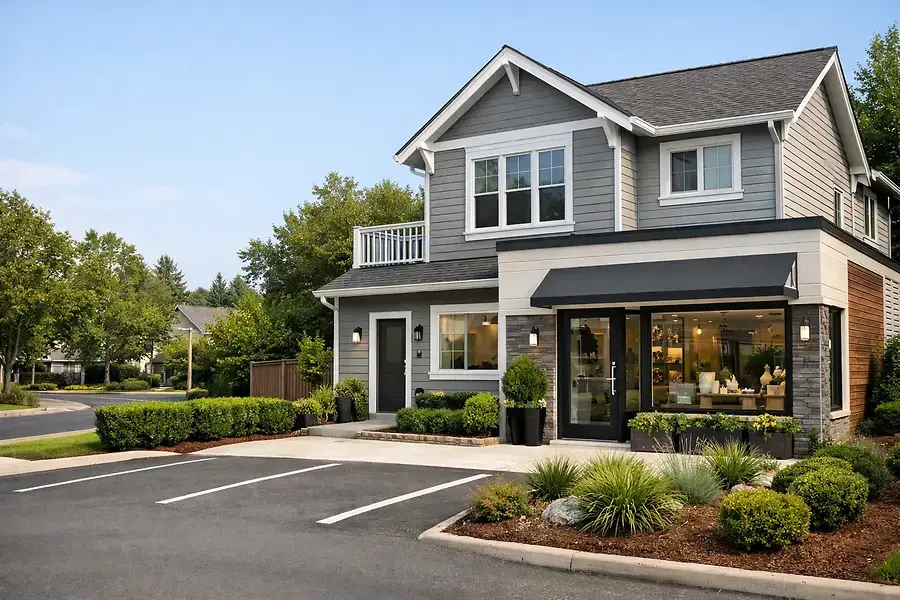
Understanding Zoning Laws and Conversion Requirements
Before embarking on any conversion project, understanding your local zoning laws is absolutely critical. Zoning regulations determine what types of uses are permitted on your property, and violating these rules can result in fines, forced removal of improvements, or legal action from your municipality.
Researching Your Local Zoning Classification
Start by contacting your local planning and zoning department to determine your property's current zoning classification. Most residential areas are zoned strictly for single-family use, but some municipalities allow mixed-use developments or have specific provisions for home-based businesses. Ask about:
- Current zoning designation and permitted uses
- Conditional use permits or variances that might apply
- Setback and lot coverage requirements
- Parking and traffic impact regulations
- Building height and density restrictions
Variance and Conditional Use Permits
If your property doesn't currently allow commercial use, you may be able to request a variance or conditional use permit. These legal mechanisms allow property owners to deviate from standard zoning requirements under specific circumstances. However, obtaining these permits requires demonstrating that the conversion won't negatively impact the neighborhood and that it serves a public benefit.
Design Strategies for Residential-Commercial Integration
Successful dual-use properties require thoughtful design that maintains residential comfort while accommodating commercial operations. The key is creating clear separation between the two spaces without sacrificing functionality or aesthetics.
Spatial Separation and Access
The most effective conversions feature separate entrances for residential and commercial areas. This prevents customer traffic from disrupting your home life and creates a professional appearance for your business. Consider these design approaches:
- Converting a garage or basement into commercial office or retail space
- Adding a side entrance for business clients
- Installing soundproofing between residential and commercial zones
- Creating dedicated parking areas for business visitors
- Using landscape features to define separate spaces
Practical Conversion Options
Different properties lend themselves to different conversion strategies. A home office might occupy a spare bedroom, while a retail storefront could utilize ground-floor space. Some homeowners convert basements into professional studios, consultation rooms, or small retail shops. The most successful conversions align the commercial use with the property's natural layout and the surrounding neighborhood character.
Financial Planning and ROI Projections
Converting your property requires significant upfront investment, but the long-term financial benefits can be substantial. Careful financial planning ensures your project remains profitable and helps you secure financing if needed.
Calculating Conversion Costs
Budget for both obvious and hidden expenses. Obvious costs include construction, permits, and professional fees. Hidden costs often include:
- Utility upgrades (electrical, plumbing, HVAC)
- Accessibility modifications for commercial use
- Insurance policy changes and increased premiums
- Contingency reserves (typically 10-20% of total budget)
- Professional consultations (architects, engineers, lawyers)
Revenue Projections and Break-Even Analysis
Estimate your commercial rental income based on local market rates for similar spaces. Be conservative in your projections—it may take time to find tenants or build your client base. Calculate your break-even point by dividing total conversion costs by monthly net income. Most dual-use conversions break even within 5-10 years, with significant profit potential thereafter.
"The most successful property conversions are those where owners thoroughly understand both their local market and their property's unique potential."
Tax Implications and Depreciation Benefits
Consult with a tax professional about the implications of converting your property. Commercial spaces may qualify for accelerated depreciation deductions, potentially offsetting your rental income for tax purposes. However, this conversion may also affect your home's eligibility for certain homeowner tax benefits.
Navigating Permits and Legal Compliance
The permitting process is often the most time-consuming aspect of a conversion project. Proper compliance protects your investment and ensures your property operates legally.
Required Permits and Inspections
Most jurisdictions require multiple permits for dual-use conversions, including:
- Building permits for structural modifications
- Electrical permits for new circuits and outlets
- Plumbing permits for additional fixtures
- Zoning permits or conditional use approvals
- Certificate of occupancy for the commercial space
- Business licenses for your specific commercial use
ADA Compliance and Safety Standards
Commercial spaces must meet Americans with Disabilities Act (ADA) requirements, including accessible entrances, bathrooms, and parking. Additionally, your commercial space must comply with fire codes, which may require sprinkler systems, emergency exits, and specific signage. These requirements vary by jurisdiction and commercial use type.
Insurance and Liability Considerations
Converting to a dual-use property significantly changes your insurance needs. You'll need commercial general liability insurance for your business operations, and your homeowner's policy may need modification. Some insurers offer specialized policies for mixed-use properties. Discuss your specific situation with an insurance broker to ensure adequate coverage.
Working with Professionals
Successfully navigating the conversion process typically requires collaboration with multiple professionals: architects or designers, contractors, permit expeditors, real estate attorneys, and accountants. While hiring professionals increases upfront costs, their expertise helps avoid costly mistakes and ensures compliance with all regulations.
Converting a single-family home into a dual-use income property is an ambitious but achievable goal that can significantly increase your property's value and income potential. By thoroughly understanding zoning requirements, thoughtfully designing your spaces, carefully planning your finances, and meticulously following legal procedures, you can create a profitable property that serves both your residential needs and business goals.


