Converting Underperforming Retail Spaces into Profitable Mixed-Use Properties in NYC
Unlock higher profits by transforming struggling retail locations into dynamic mixed-use commercial developments.

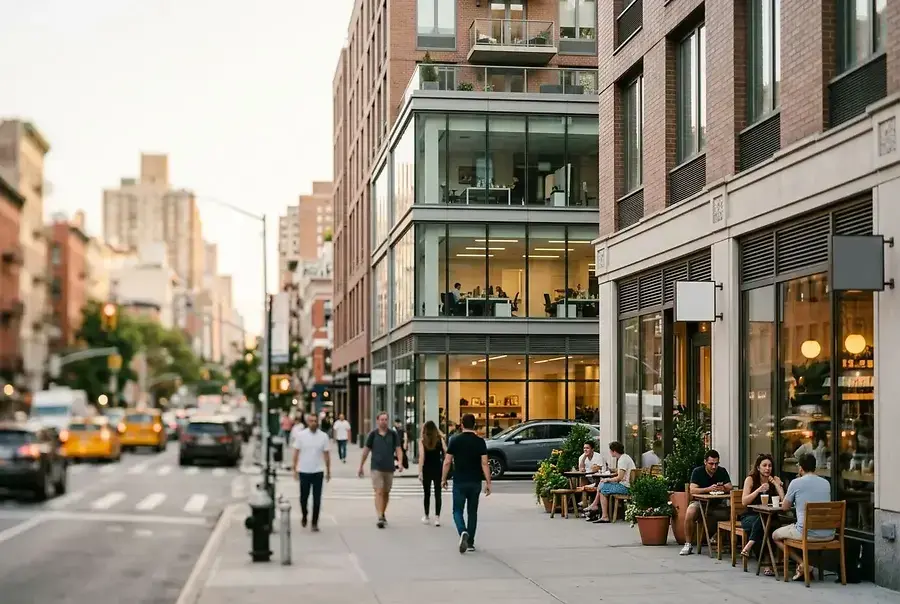
Introduction: The Shift in New York's Retail Landscape and Emerging Opportunities
New York City's retail landscape has undergone a dramatic transformation in recent years. Traditional brick-and-mortar retail spaces that once thrived are now sitting vacant or underperforming, creating a significant challenge for property owners. However, this challenge presents an unprecedented opportunity for forward-thinking investors willing to reimagine these spaces.
The shift toward e-commerce, changing consumer behaviors, and the rise of experiential retail have fundamentally altered what makes a retail property valuable. Rather than fighting against these trends, savvy developers are capitalizing on them by converting underperforming retail spaces into mixed-use properties that combine residential, office, hospitality, and entertainment components.
Mixed-use developments have become the gold standard in urban real estate, offering higher returns, better tenant retention, and greater resilience against market fluctuations. For investors with underperforming retail properties in NYC, this represents a path to profitability that can significantly enhance portfolio performance.
Understanding Mixed-Use Zoning Requirements and NYC Regulations
Navigating NYC's Zoning Framework
Before converting a retail space into a mixed-use property, understanding NYC's complex zoning regulations is essential. The city's zoning code is designed to balance development with community needs, and each neighborhood has specific requirements that govern what uses are permitted.
Key zoning considerations include:
- Zoning District Classification: NYC divides the city into residential, commercial, and manufacturing zones. Mixed-use development is typically permitted in commercial and certain residential zones, but restrictions vary significantly by neighborhood.
- Floor Area Ratio (FAR): This determines the maximum building size relative to the lot size. Understanding your property's FAR is crucial for calculating development potential.
- Use Groups: NYC categorizes different uses into groups. Mixed-use projects must ensure all proposed uses fall within permitted categories for your zoning district.
- Setback and Height Requirements: These regulations affect building design and the amount of usable space you can develop.
Obtaining Necessary Approvals and Permits
Converting a retail space to mixed-use typically requires multiple approvals. Depending on your project scope, you may need variances, special permits, or zoning amendments. Working with experienced zoning consultants and attorneys is essential to navigate this process efficiently.
The approval timeline can range from several months to over a year, depending on project complexity and community opposition. Engaging early with local community boards and elected officials can smooth the approval process and build support for your project.
Financial Analysis: Calculating ROI for Retail-to-Mixed-Use Conversions
Understanding the Economics of Conversion
The financial viability of converting a retail space depends on several key factors. Unlike traditional retail leases, mixed-use properties generate revenue from multiple sources, creating more stable cash flows and higher overall returns.
Consider these revenue streams:
- Residential Rental Income: Typically the most stable revenue source, residential units command premium rents in NYC and provide consistent, long-term income.
- Office Space Leasing: Post-pandemic, flexible office space remains in high demand, offering strong rental yields.
- Ground-Floor Retail/Hospitality: While traditional retail struggles, experiential venues like restaurants, cafes, and entertainment venues thrive in mixed-use settings.
- Parking and Amenity Revenue: Additional income streams from parking facilities and premium amenities.
Calculating Your ROI
A typical retail-to-mixed-use conversion requires significant upfront investment. Conversion costs typically range from $300 to $600 per square foot, depending on the extent of structural changes needed. However, the increased rental income and property value appreciation often justify this investment.
"Mixed-use properties in NYC have demonstrated 15-25% higher appreciation rates compared to single-use retail properties over the past five years, making them an attractive long-term investment strategy."
To calculate your potential ROI, follow these steps:
- Determine total conversion costs, including construction, permits, and professional fees
- Project annual rental income from all revenue streams
- Estimate operating expenses (maintenance, property taxes, insurance, management)
- Calculate net operating income (NOI)
- Determine capitalization rate and potential property appreciation
- Compare against your required return threshold
Financing Your Conversion Project
Mixed-use conversions typically require construction financing followed by permanent financing. Lenders view these projects favorably due to their diversified income streams and lower vacancy risk. Securing pre-leasing commitments from anchor tenants can significantly improve financing terms and reduce project risk.
Many successful developers combine traditional bank financing with alternative sources such as:
- Opportunity Zone investments for tax benefits
- Historic tax credits if the building qualifies
- Energy efficiency rebates and incentives
- Partnership capital from co-investors
Conclusion: Positioning Your Portfolio for Long-Term Growth in New York's Evolving Market
The transformation of underperforming retail spaces into mixed-use properties represents one of the most compelling opportunities in NYC real estate today. As traditional retail continues to evolve, investors who adapt by embracing mixed-use development will position themselves for sustained profitability and growth.
Success in this space requires careful planning, regulatory expertise, and financial discipline. By understanding zoning requirements, conducting thorough financial analysis, and securing appropriate financing, you can unlock the hidden potential in struggling retail properties.
The market is rewarding those who take action. Properties that seemed destined for decline are being reimagined as vibrant, profitable mixed-use destinations. For investors ready to embrace this transformation, the opportunity to build wealth while revitalizing neighborhoods has never been greater.
Start by evaluating your current retail holdings through the lens of mixed-use potential. The next generation of NYC's most valuable properties is being built today—and it starts with seeing the possibilities beyond traditional retail.