Converting Vacant Buildings Into Profitable Commercial Spaces in Minneapolis-Saint Paul
Transform underutilized buildings into profitable commercial assets with this comprehensive guide to adaptive reuse projects in the Twin Cities market.

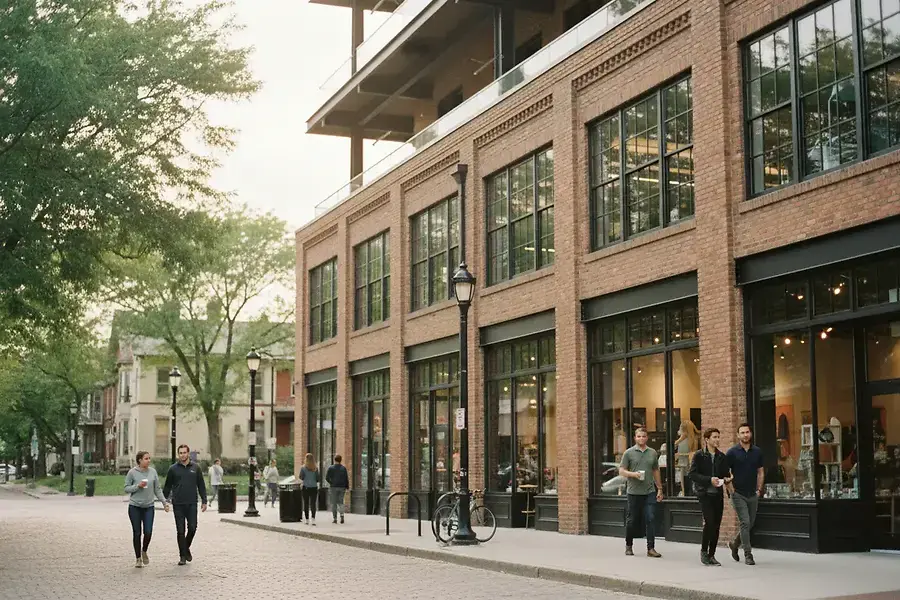
Introduction: The Growing Adaptive Reuse Trend in Minneapolis-Saint Paul
The Minneapolis-Saint Paul metropolitan area is experiencing a remarkable transformation. Vacant and underutilized buildings that once symbolized urban decline are now becoming valuable assets for forward-thinking investors and developers. Adaptive reuse—the practice of converting buildings from their original purpose to new uses—has become a cornerstone of the Twin Cities' real estate strategy.
This trend is driven by multiple factors: rising land costs, environmental sustainability concerns, and the desire to preserve architectural heritage. Rather than demolishing historic structures, savvy investors recognize the financial and community benefits of breathing new life into these properties. From converted warehouses into trendy loft apartments to repurposed factories becoming creative office spaces, the possibilities are endless.
The Twin Cities market offers unique advantages for adaptive reuse projects. The region boasts a diverse inventory of older industrial buildings, strong market demand for mixed-use spaces, and supportive local policies that encourage revitalization. For investors willing to navigate the complexities, the rewards can be substantial.
Identifying Viable Properties and Market Demand for Conversion Projects
Finding the Right Property
The foundation of any successful adaptive reuse project begins with identifying the right property. Look for buildings with:
- Solid structural integrity – The bones of the building must be sound to justify renovation costs
- Desirable locations – Proximity to transit, employment centers, and amenities increases tenant appeal
- Unique architectural features – Original brick, exposed beams, and high ceilings add character and command premium rents
- Reasonable acquisition costs – Properties should be priced below replacement value to ensure positive ROI
Understanding Market Demand
Before committing capital, conduct thorough market research. Analyze demographic trends, employment growth, and tenant preferences in your target neighborhood. The Twin Cities has strong demand for:
- Creative office and co-working spaces
- Mixed-use developments combining retail, office, and residential
- Flexible industrial spaces for tech and manufacturing startups
- Experiential retail and entertainment venues
Engage with local brokers, attend industry events, and survey potential tenants to validate your assumptions before proceeding.
Navigating Zoning, Permits, and Regulatory Requirements
Understanding Zoning Implications
Minneapolis-Saint Paul's zoning codes can be complex, but they're increasingly favorable to adaptive reuse. Many municipalities have created overlay districts and streamlined processes specifically designed to encourage building conversions. Key considerations include:
- Verifying that your intended use is permitted in the current zoning district
- Understanding parking requirements, which may differ from the original use
- Identifying any height, setback, or density restrictions
- Exploring variance or conditional use permit options if needed
Permitting and Compliance
The permitting process requires careful attention to detail. You'll need to work with architects and engineers to ensure compliance with:
- Building codes – Including accessibility, fire safety, and structural requirements
- Environmental regulations – Phase I and II environmental assessments may be necessary
- Historic preservation guidelines – If your building is designated historic, additional requirements apply
- Utility upgrades – HVAC, electrical, and plumbing systems often need modernization
Pro Tip: Engage with city planning departments early in your project. Building relationships with municipal staff can accelerate approvals and help you navigate potential obstacles.
Leveraging Incentive Programs
The Twin Cities offers several financial incentives for adaptive reuse projects. Research tax credits, grants, and abatement programs that can significantly improve project economics. Common incentives include historic preservation tax credits, New Markets Tax Credits, and local property tax abatements for qualified projects.
Financial Strategies and ROI Projections for Adaptive Reuse Investments
Budgeting for Renovation Costs
Accurate cost estimation is critical. Adaptive reuse projects typically involve higher per-square-foot renovation costs than new construction, but lower land acquisition costs. Budget for:
- Structural repairs and foundation work
- Systems upgrades (mechanical, electrical, plumbing)
- Code compliance and accessibility improvements
- Contingency reserves (typically 15-20% for adaptive reuse)
- Professional fees for architects, engineers, and consultants
Revenue Projections and Valuation
Conservative revenue projections are essential for securing financing and managing investor expectations. Analyze comparable properties in your market to establish realistic rental rates. Consider multiple revenue streams: base rent, tenant improvement allowances, parking fees, and amenity charges.
Use the income approach to valuation, capitalizing net operating income at market cap rates. For adaptive reuse projects, cap rates typically range from 5% to 7%, depending on property quality, location, and tenant stability.
Financing Strategies
Securing financing for adaptive reuse projects requires creativity. Traditional lenders may be hesitant due to perceived risks. Consider:
- Historic preservation financing – Specialized lenders understand these projects and offer favorable terms
- New Markets Tax Credit financing – Blended financing structures combining debt and equity
- Equity partnerships – Bringing in co-investors to share risk and capital requirements
- Mezzanine financing – Subordinated debt that bridges the gap between senior debt and equity
Calculating Expected Returns
Investors should model multiple scenarios—base case, optimistic, and pessimistic—to understand potential outcomes. Key metrics include:
- Cash-on-cash return – Annual cash flow divided by initial equity investment
- Internal rate of return (IRR) – Typically 12-18% for successful adaptive reuse projects
- Payback period – Time required to recover initial investment
- Loan-to-value ratio – Typically 60-75% for adaptive reuse projects
Conclusion: Capitalizing on Minneapolis-Saint Paul's Adaptive Reuse Potential
The Minneapolis-Saint Paul market presents exceptional opportunities for investors and developers willing to embrace adaptive reuse. By identifying viable properties, navigating regulatory requirements, and implementing sound financial strategies, you can transform vacant buildings into thriving commercial assets.
The Twin Cities' combination of available properties, supportive policies, strong market demand, and available incentives creates an ideal environment for adaptive reuse success. Whether you're a seasoned developer or a first-time investor, the time to act is now. The buildings are waiting—and the profits are real.
Start by researching properties in your target neighborhoods, connecting with local experts, and developing a detailed business plan. With careful planning and execution, your adaptive reuse project can generate attractive returns while contributing to the revitalization of the Twin Cities.