Converting Your Property: Mixed-Use Development Strategies for the Twin Cities
Learn how residential-commercial conversions can unlock new revenue streams and maximize property value in Minneapolis, Saint Paul, and Coon Rapids.

The Rise of Mixed-Use Properties in Minnesota Real Estate
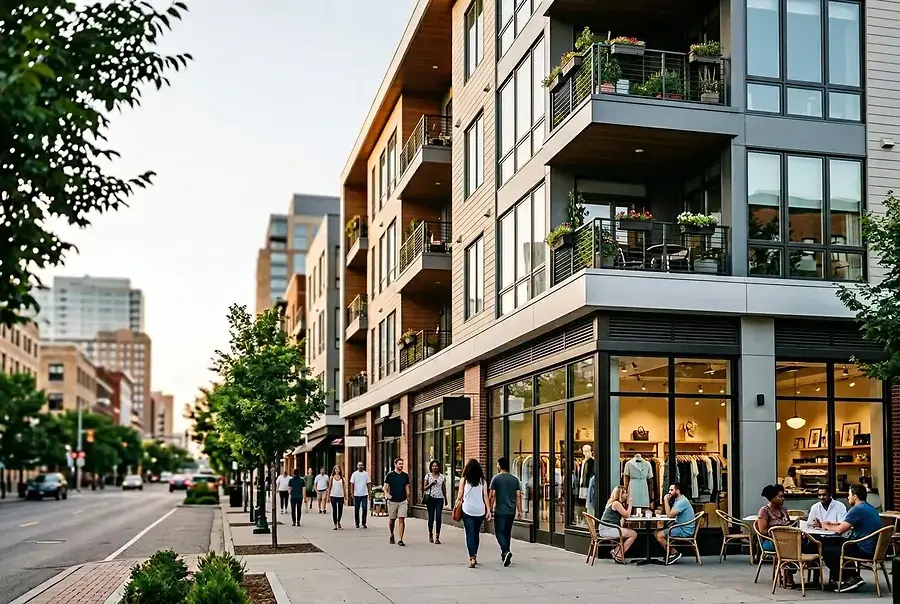
The Twin Cities real estate market is experiencing a significant shift toward mixed-use properties. Property owners in Minneapolis, Saint Paul, and Coon Rapids are increasingly recognizing the potential of combining residential and commercial spaces to create dynamic, revenue-generating assets. This trend reflects broader changes in how communities want to live, work, and shop—all within the same neighborhood.
Mixed-use developments offer compelling advantages for property owners. By integrating residential units with retail, office, or hospitality spaces, you can diversify income streams, reduce vacancy risks, and create vibrant communities that attract tenants and customers alike. The Twin Cities' growing population and strong economic fundamentals make this an ideal time to explore conversion opportunities.
Why now? Urban professionals increasingly prefer walkable neighborhoods with convenient access to amenities. Mixed-use properties satisfy this demand while maximizing your property's earning potential. Whether you own a historic building, a vacant warehouse, or an underutilized commercial space, conversion strategies can unlock significant value.
Understanding Zoning Laws and Regulatory Requirements Across the Twin Cities
Minneapolis Zoning Framework
Minneapolis has implemented progressive zoning policies that encourage mixed-use development. The city's 2040 Plan eliminated single-family zoning in many areas, opening doors for residential-commercial conversions. Before proceeding with any project, you must:
- Review the Minneapolis Zoning Code to understand permitted uses in your district
- Determine if your property requires a conditional use permit or variance
- Assess parking requirements, which vary by district and use type
- Evaluate setback, height, and density restrictions
The city's planning department offers resources and pre-application meetings to help property owners navigate these requirements. Taking advantage of these services early can save time and prevent costly mistakes.
Saint Paul Requirements
Saint Paul maintains distinct zoning districts with specific regulations for mixed-use properties. The city encourages development along transit corridors and in designated growth areas. Key considerations include:
- Identifying your property's zoning classification and permitted uses
- Understanding ground-floor commercial requirements in certain districts
- Reviewing design guidelines that may apply to your project
- Confirming compliance with the city's comprehensive plan
Saint Paul's development review process typically takes 60-90 days for standard projects. Engaging with the city early and providing complete applications accelerates approval timelines.
Coon Rapids Considerations
Coon Rapids offers opportunities for mixed-use development, particularly in downtown and transit-oriented areas. The city actively supports projects that enhance community vitality. Before converting your property, verify:
- Current zoning designation and compatibility with mixed-use uses
- Whether your project qualifies for expedited review or incentives
- Local design standards and architectural requirements
- Infrastructure capacity for increased density
Practical Conversion Strategies: From Planning to Execution
Phase 1: Assessment and Planning
Begin with a thorough property assessment. Engage professionals including architects, engineers, and real estate consultants to evaluate structural integrity, building systems, and conversion feasibility. This phase should include:
- Market analysis: Research demand for residential and commercial space in your area
- Financial modeling: Project costs, timelines, and potential returns
- Zoning verification: Confirm your conversion aligns with local regulations
- Tenant needs assessment: Understand what residential and commercial tenants seek
A well-executed planning phase prevents expensive changes during construction and ensures your project meets market demands.
Phase 2: Design and Permitting
Work with experienced architects and designers who understand mixed-use development. Your design should balance aesthetic appeal with functional efficiency. Key elements include:
- Separate entrances for residential and commercial tenants
- Adequate parking and loading areas
- Proper HVAC, electrical, and plumbing systems for dual uses
- Accessibility compliance with ADA requirements
- Sound insulation between residential and commercial spaces
Submit complete permit applications with detailed plans, engineering reports, and zoning compliance documentation. Incomplete applications delay approval; thorough preparation accelerates the process.
Phase 3: Construction and Tenant Recruitment
Once permits are approved, construction begins. Simultaneously, start recruiting tenants. Timing is critical—securing commercial tenants before completion helps ensure project viability and provides construction financing leverage.
Develop a tenant mix strategy that creates synergy. For example, ground-floor retail that serves residential tenants above creates a cohesive community. Consider:
- Complementary business types that enhance each other
- Anchor tenants that attract foot traffic
- Residential unit types that appeal to your target market
- Amenities that increase property appeal and justify premium pricing
Phase 4: Operations and Optimization
After opening, focus on operational excellence. Mixed-use properties require careful management to balance residential comfort with commercial activity. Implement:
- Clear lease terms addressing noise, hours of operation, and shared space usage
- Professional property management experienced with mixed-use assets
- Regular maintenance schedules for common areas
- Tenant communication systems to address concerns promptly
Successful mixed-use properties thrive when all stakeholders—residential tenants, commercial operators, and property management—work collaboratively toward shared success.
Positioning Your Property for Long-Term Success
Converting your property into a mixed-use development represents a significant investment in Minnesota's real estate future. The Twin Cities' strong fundamentals—growing population, diverse economy, and progressive urban policies—support long-term value appreciation.
To maximize your property's potential:
- Stay informed: Monitor zoning changes and market trends in your area
- Invest in quality: Superior design and construction command premium rents
- Build community: Create spaces where residents and customers want to spend time
- Adapt strategically: Remain flexible to evolving market demands and tenant needs
Mixed-use development isn't just about maximizing revenue—it's about creating vibrant neighborhoods where people want to live, work, and gather. By understanding local regulations, planning thoroughly, and executing professionally, you can transform your property into a thriving mixed-use asset that generates strong returns while contributing to community vitality.
The Twin Cities' real estate landscape is evolving rapidly. Properties that adapt to these changes will thrive. Whether you're considering your first conversion or expanding an existing portfolio, now is an excellent time to explore mixed-use development opportunities in Minneapolis, Saint Paul, and Coon Rapids.