Corona Home Inspection Essentials: What Every Buyer Must Know
Discover the critical inspection points every Corona home buyer should understand before making their purchase decision.

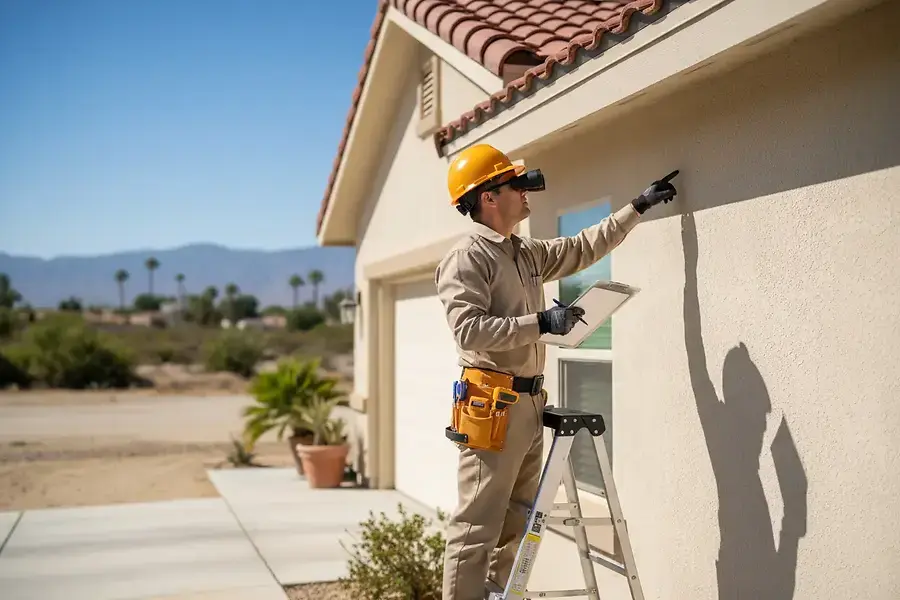
Why Home Inspections Matter in Corona's Market
Purchasing a home is one of the most significant financial decisions you'll make in your lifetime. In Corona's competitive real estate market, a thorough home inspection is not just a formality—it's your safeguard against costly surprises. A professional home inspection provides an objective assessment of a property's condition, revealing potential issues that could affect your safety, comfort, and long-term investment value.
Many buyers underestimate the importance of inspections, viewing them as an unnecessary expense. However, the cost of a professional inspection is minimal compared to the potential expenses of addressing major structural problems, electrical hazards, or plumbing failures after purchase. In Corona, where properties vary widely in age and condition, a comprehensive inspection is your best defense against making an uninformed decision.
Key Structural and Systems Issues to Watch For
Foundation and Structural Integrity
The foundation is the backbone of any home. During your inspection, look for signs of settling, cracks in the foundation, or water damage in the basement or crawl space. Horizontal cracks are particularly concerning as they may indicate serious structural problems. Vertical cracks, while less severe, should still be evaluated by a professional.
Roofing and Exterior
Corona's intense sun exposure can accelerate roof deterioration. Inspectors should examine:
- Shingle condition and age
- Flashing around chimneys and vents
- Gutters and downspouts for proper drainage
- Signs of water intrusion or leaks
- Exterior walls for cracks or damage
A roof replacement can cost thousands of dollars, making this inspection point critical for your budget planning.
Electrical Systems
Outdated electrical systems pose serious safety risks. Your inspector should verify that the electrical panel is properly grounded, check for adequate circuit capacity, and ensure outlets are safely installed. Older homes may have aluminum wiring or insufficient grounding, which can be fire hazards.
Plumbing and Water Systems
Water quality and plumbing integrity are essential. Have your inspector check:
- Water pressure and flow rates
- Pipe materials and condition
- Water heater age and functionality
- Septic system condition (if applicable)
- Signs of leaks or water damage
Corroded pipes or failing water heaters can lead to expensive repairs and potential water damage.
HVAC Systems
Corona's hot climate means your air conditioning system works overtime. Ensure the HVAC system is properly maintained, adequately sized for the home, and functioning efficiently. An aging or undersized system could result in high utility bills and discomfort during peak summer months.
Local Climate Considerations and Their Impact on Home Condition
Heat and Sun Exposure
Corona experiences extreme heat, which accelerates wear on exterior materials. UV exposure degrades roofing materials, siding, and paint faster than in cooler climates. During your inspection, pay special attention to the south and west-facing sides of the home, which receive the most intense sun exposure. Look for fading, warping, or deterioration of exterior materials.
Desert Soil and Foundation Issues
Corona's desert soil can be problematic for foundations. Soil expansion and contraction due to moisture changes can cause foundation movement. Your inspector should assess whether the property has experienced any settling or shifting. This is particularly important for older homes that may not have been built with modern foundation standards.
Water Scarcity and Landscaping
The arid climate means water is precious. Check that the property has efficient irrigation systems and drought-resistant landscaping. Poor drainage or water pooling near the foundation can cause serious damage in a desert environment where water management is critical.
Dust and Air Quality Concerns
Corona's location can mean exposure to dust storms and air quality issues. Ensure that:
- Windows and doors seal properly
- HVAC filters are accessible and regularly replaceable
- Air conditioning systems have adequate filtration
- Attic ventilation is proper to prevent dust accumulation
Pest and Termite Inspection
The warm climate attracts pests and termites. A separate pest inspection is highly recommended. Termite damage can be extensive and expensive to repair, making early detection crucial for protecting your investment.
Protecting Your Investment Through Thorough Due Diligence
A comprehensive home inspection is your opportunity to make an informed decision about one of life's biggest purchases. Don't skip this step or hire an inexperienced inspector to save money. A qualified, licensed home inspector will provide a detailed report that gives you leverage in negotiations and helps you understand the true condition of the property.
Before your inspection, prepare a list of questions about the home's history, previous repairs, and any known issues. During the inspection, accompany the inspector and ask questions—this is your chance to learn about the property's condition firsthand.
Remember: A thorough inspection today can save you thousands in unexpected repairs tomorrow.
After receiving the inspection report, take time to review it carefully. If significant issues are found, you have options: negotiate repairs with the seller, request a credit toward repairs, or reconsider your offer. In Corona's market, being informed gives you confidence and protection.
By understanding what to look for and working with qualified professionals, you can navigate Corona's real estate market with confidence. Your home inspection is not an obstacle to your purchase—it's your greatest asset in making a sound investment decision.


