Creating Open Floor Plans: Design Strategies for Modern Homes
Transform your residential space with practical layout solutions that maximize functionality and appeal to today's homebuyers.

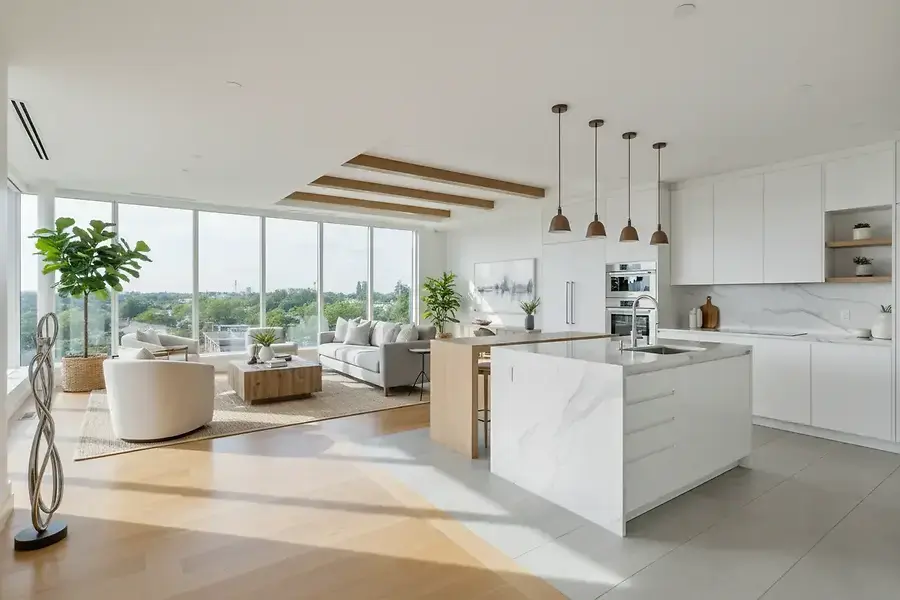
Why Open Floor Plans Matter in Today's Real Estate Market
Open floor plans have become a defining feature of contemporary residential design, fundamentally changing how families live and interact within their homes. The shift away from compartmentalized, room-by-room layouts reflects evolving lifestyle preferences and practical needs of modern households.
Today's homebuyers consistently prioritize open spaces for several compelling reasons. Flexibility tops the list—open layouts adapt easily to remote work, homeschooling, entertaining, and everyday living. Parents can supervise children while preparing meals. Professionals can establish home offices without sacrificing family connection. The psychological benefits are equally significant; open spaces feel larger, brighter, and more welcoming than traditional floor plans.
From a real estate perspective, homes with well-executed open floor plans command premium prices and sell faster. Buyers recognize the value of versatile, light-filled spaces that accommodate modern living patterns. Whether you're renovating for personal enjoyment or preparing to sell, understanding open floor plan design is essential.
Structural Considerations and Load-Bearing Walls: What You Need to Know
Before envisioning your dream open layout, you must understand the structural realities of your home. Load-bearing walls are the foundation of your home's integrity, and removing or modifying them requires professional expertise and proper permits.
Identifying Load-Bearing Walls
Load-bearing walls support the weight of the structure above them, including roof, upper floors, and all associated loads. These walls typically:
- Run perpendicular to floor joists
- Sit directly above other load-bearing walls or beams in lower levels
- Are located near the center of the home or along exterior walls
- Often align with the home's foundation
Never assume a wall is non-load-bearing based on appearance alone. A structural engineer or architect must assess your specific home.
Working with Professionals
Creating open floor plans typically requires installing beams to replace removed load-bearing walls. These beams—whether steel, engineered lumber, or laminated veneer lumber—must be properly sized and supported by posts or columns. This work demands:
- Structural engineering calculations
- Building permits and inspections
- Professional installation by licensed contractors
- Compliance with local building codes
Cutting corners on structural work creates safety hazards and legal liability. Budget appropriately and hire qualified professionals.
Design Elements That Make Open Spaces Feel Cohesive and Inviting
A successful open floor plan balances openness with definition. Without thoughtful design, large open spaces can feel chaotic or impersonal. Strategic design elements create visual and functional zones while maintaining the sense of spaciousness.
Creating Zones Without Walls
Flooring transitions subtly define different areas. A kitchen might feature tile while the adjacent living space uses hardwood, creating visual separation without physical barriers. Ceiling height variations and architectural details like soffits or beams also delineate spaces.
Furniture arrangement is equally powerful. Strategic placement of sofas, islands, and shelving units creates natural boundaries and defines functional zones. An open floor plan doesn't mean everything must be visible from every angle—thoughtful furniture placement provides visual privacy and purpose.
Color and Material Consistency
Cohesion comes from consistent color palettes and materials throughout open spaces. This doesn't mean monotony—varying tones and textures within a unified scheme creates interest while maintaining flow. Consider how wall colors, cabinetry, countertops, and flooring materials transition between kitchen, dining, and living areas.
A well-designed open floor plan feels like a carefully orchestrated symphony—each element plays its part while contributing to the overall harmony.
Lighting Design
Lighting transforms open spaces. Layered lighting—combining ambient, task, and accent lighting—allows you to adjust the mood and functionality of different zones. Pendant lights over an island, recessed lighting in living areas, and wall sconces create visual interest while serving practical purposes.
Natural light amplifies the sense of openness. Maximize windows and skylights where possible. Strategic mirror placement reflects light and enhances the feeling of spaciousness.
Sound and Smell Management
Open spaces present acoustic challenges. Sound-absorbing materials like area rugs, upholstered furniture, and soft furnishings reduce noise transmission. Cooking odors can also travel throughout open layouts—invest in quality ventilation systems and range hoods.
Storage Solutions
Open floor plans require strategic storage to prevent clutter. Built-in shelving, kitchen islands with storage, and integrated cabinetry keep spaces organized and visually clean. Adequate storage is essential for maintaining the open, uncluttered aesthetic that makes these layouts appealing.
Positioning Your Property as a Modern Living Solution
A thoughtfully designed open floor plan is a powerful selling point. When marketing your home, emphasize the versatility and modern appeal of your layout. Highlight how the space accommodates various lifestyles—remote work, entertaining, family time, and personal pursuits.
Professional photography and staging showcase the openness and flow of your space. Virtual tours allow potential buyers to appreciate the layout and spatial relationships. Clear communication about structural work, permits, and professional installation builds confidence in the quality of your renovation.
Open floor plans represent more than a design trend; they reflect how people actually want to live. By understanding structural requirements, implementing thoughtful design strategies, and maintaining quality throughout the process, you create spaces that are both beautiful and functional. Whether you're renovating for yourself or preparing to sell, a well-executed open floor plan positions your property as a desirable modern home that meets the needs and desires of today's homebuyers.


