Creating Your Ideal Home Layout: Design Strategies for Residential Spaces
Discover practical design principles that maximize comfort, functionality, and aesthetic appeal in your residential home.
Why Home Layout and Design Matter
Your home is more than just a place to sleep—it's your personal sanctuary, a reflection of your personality, and an investment in your quality of life. The way you design and layout your residential space directly impacts how you live, work, and relax within those walls. A well-designed home enhances daily functionality, reduces stress, and creates an environment where you and your family can thrive.
Good home design isn't about following trends or spending excessive amounts of money. Instead, it's about understanding your needs, making intentional choices, and creating spaces that work for you. Whether you're starting from scratch or refreshing an existing space, thoughtful design strategies can dramatically improve your home's comfort and aesthetic appeal.
Understanding Flow and Functionality in Residential Spaces
The Importance of Spatial Flow
One of the most critical aspects of home design is creating a natural flow between spaces. Flow refers to how easily you move from one room to another, and how intuitively your home functions for daily activities. Poor flow creates frustration and makes even beautiful spaces feel awkward to live in.
Consider these key principles when evaluating your home's flow:
- Clear pathways: Ensure there are unobstructed routes between rooms and key areas like the kitchen, bedroom, and bathroom
- Logical room placement: Position rooms based on their function—keep bedrooms away from high-traffic areas and place the kitchen near the dining space
- Open sightlines: When possible, create visual connections between spaces to make your home feel larger and more connected
- Minimize dead zones: Avoid creating awkward corners or unusable spaces that disrupt the overall flow
Furniture Arrangement and Space Planning
How you arrange furniture significantly impacts both functionality and the perceived size of your space. Strategic furniture placement can make a small room feel spacious and a large room feel cozy and intimate.
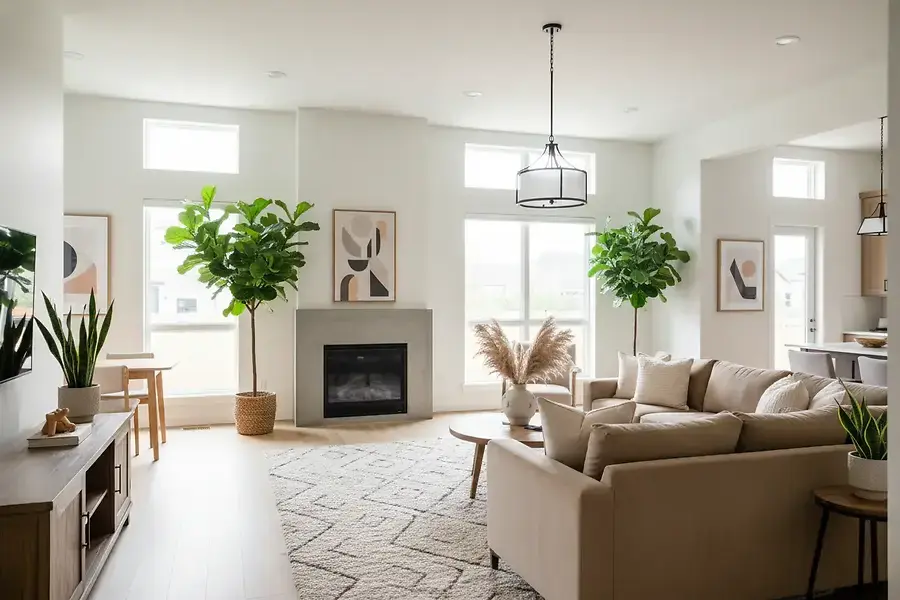
Start by identifying the focal point of each room—this might be a window, fireplace, or entertainment center. Arrange your furniture to face or complement this focal point. Leave adequate walking space around furniture, and avoid pushing everything against the walls, which can actually make rooms feel smaller and less inviting.
Pro tip: Use the "conversation zone" principle in living areas. Arrange seating so people can comfortably face each other and interact, creating a more welcoming and functional space.
Storage Solutions and Organization
A functional home requires adequate storage. Clutter disrupts flow and makes spaces feel cramped and chaotic. Invest in smart storage solutions that match your home's style:
- Built-in shelving and cabinetry
- Under-bed storage containers
- Wall-mounted organizers
- Multi-functional furniture with hidden storage
- Closet systems and organizational tools
When everything has a designated place, your home naturally feels more organized, spacious, and peaceful.
Color, Lighting, and Finishing Touches That Transform Your Home
The Psychology of Color
Color is one of the most powerful design tools available. Different colors evoke different emotions and can dramatically alter how a space feels. Understanding color psychology helps you create the atmosphere you want in each room.
- Warm colors (reds, oranges, yellows) create energy, warmth, and intimacy—ideal for living rooms and dining areas
- Cool colors (blues, greens, purples) promote calm and relaxation—perfect for bedrooms and bathrooms
- Neutral colors (whites, grays, beiges) provide balance and make spaces feel larger—excellent for small rooms and as a backdrop for accent colors
Don't be afraid to use bold accent colors on a single wall or through accessories. This adds personality without overwhelming the space. Remember that lighting affects how colors appear, so always test paint samples in your actual room before committing.
Lighting Design for Ambiance and Function
Proper lighting is essential for both functionality and mood. Layered lighting creates flexibility and allows you to adjust the atmosphere based on your needs.
Incorporate three types of lighting in your home:
- Ambient lighting: General overhead lighting that illuminates the entire room
- Task lighting: Focused lighting for specific activities like reading, cooking, or working
- Accent lighting: Decorative lighting that highlights artwork, architectural features, or creates mood
Consider installing dimmer switches to control light intensity and create different moods throughout the day. Natural light is also invaluable—maximize windows and use light, sheer curtains to allow sunlight to flood your spaces.
Finishing Touches That Elevate Your Space
The details make all the difference. These finishing touches add personality and polish to your home:
- Artwork and wall décor: Choose pieces that reflect your style and complement your color scheme
- Textiles: Throw pillows, rugs, and curtains add texture, warmth, and visual interest
- Plants and greenery: Bring life and freshness to any space while improving air quality
- Hardware and fixtures: Update cabinet handles, light fixtures, and faucets for an instant refresh
- Personal touches: Display family photos, collections, or meaningful objects that tell your story
These elements work together to create a cohesive, inviting home that feels uniquely yours.
Investing in Your Home's Design Value
Thoughtful home design isn't just about creating a beautiful space—it's an investment in your well-being and your property's value. A well-designed home is more enjoyable to live in, easier to maintain, and more attractive to potential buyers if you ever decide to sell.
Start by assessing your current space and identifying what works and what doesn't. Make a list of priorities based on your lifestyle and needs. Then, implement changes gradually, focusing on high-impact improvements like layout adjustments, fresh paint, and better lighting before investing in major renovations.
Remember, the best home design is one that serves your needs and reflects your personality. By applying these practical design strategies—optimizing flow and functionality, choosing colors and lighting thoughtfully, and adding meaningful finishing touches—you'll create a residential space that's not only beautiful but truly livable. Your home should be a place where you feel comfortable, inspired, and at peace.


