Critical Home Inspection Issues Every Buyer Must Know Before Purchasing
Learn which structural and mechanical problems can significantly impact your home's value and safety before closing.

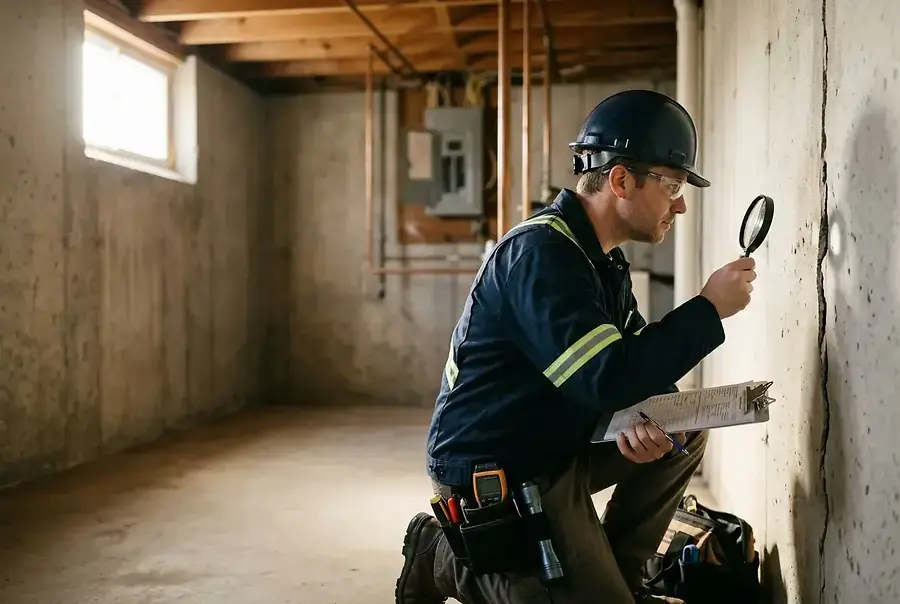
Why Professional Home Inspections Are Essential for Residential Buyers
Purchasing a home is one of the most significant financial decisions you'll make in your lifetime. While many buyers focus on location, price, and aesthetics, the structural integrity and mechanical systems of a property are equally—if not more—important. A professional home inspection is your safeguard against inheriting costly repairs and safety hazards that could drain your finances and compromise your family's well-being.
A thorough home inspection typically costs between $300 and $500, yet it can save you thousands of dollars in unexpected repairs. Inspectors examine everything from the foundation to the roof, identifying issues that may not be visible to the untrained eye. Without this critical step, you could be walking into a financial nightmare disguised as your dream home.
Foundation, Structural, and Roofing Problems That Require Immediate Attention
Foundation Issues
The foundation is literally the backbone of your home. Cracks, settling, or water damage in the foundation can lead to catastrophic structural failure if left unaddressed. Common foundation problems include:
- Horizontal cracks – These indicate serious structural stress and require immediate professional evaluation
- Bowing or leaning walls – A sign that the foundation is failing and the home may be unsafe
- Water intrusion and dampness – Can lead to mold growth and further deterioration
- Uneven settling – May cause doors and windows to stick or fail to close properly
Foundation repairs can cost anywhere from $5,000 to $50,000 or more, making this one of the most critical areas to inspect thoroughly.
Roof Condition and Structural Integrity
Your roof protects everything beneath it. An aging or damaged roof can lead to water damage, mold, and structural deterioration. During inspection, look for:
- Missing or damaged shingles
- Signs of water stains on ceilings and walls
- Sagging roof lines
- Improper ventilation leading to premature aging
- Flashing issues around chimneys and vents
A new roof can cost $10,000 to $25,000, so understanding the remaining lifespan of the current roof is essential for budgeting.
Structural Concerns
Beyond the foundation and roof, inspectors evaluate the overall structural integrity of the home. This includes checking for:
- Termite and pest damage
- Rotting wood in beams, joists, or framing
- Inadequate support systems
- Signs of previous water damage or flooding
HVAC, Plumbing, Electrical Systems, and Hidden Defects to Evaluate Carefully
HVAC System Assessment
Heating, ventilation, and air conditioning systems are essential for comfort and indoor air quality. An aging or malfunctioning HVAC system can be expensive to replace. During inspection, verify:
- Age and condition of the furnace and air conditioning unit
- Proper functioning of thermostats and controls
- Ductwork integrity and insulation
- Regular maintenance records
A full HVAC replacement can cost $5,000 to $15,000, so understanding the system's remaining lifespan is crucial.
Plumbing System Evaluation
Hidden plumbing problems can lead to water damage, mold, and structural issues. Key areas to inspect include:
- Water pressure and flow – Test all fixtures to ensure adequate water pressure
- Pipe material and age – Older homes may have outdated materials prone to failure
- Signs of leaks – Look for water stains, corrosion, and dampness
- Sewer line condition – Collapsed or damaged sewer lines require expensive repairs
- Water heater age and condition – Typically last 8-12 years before replacement
Sewer line repairs alone can exceed $10,000, making this inspection area particularly important.
Electrical System Safety
Faulty electrical systems pose serious safety risks, including fire hazards. Inspectors should evaluate:
- Panel capacity and condition – Outdated panels may not support modern electrical demands
- Grounding and bonding – Essential for safety
- Presence of aluminum wiring – A fire hazard in older homes
- GFCI outlets in wet areas – Required for safety in bathrooms and kitchens
- Proper circuit breaker function
Never overlook electrical issues – they can be life-threatening and require immediate professional attention.
Hidden Defects and Additional Concerns
Beyond major systems, inspectors should identify:
- Asbestos and lead paint – Common in older homes and require professional remediation
- Mold and moisture problems – Can affect health and structural integrity
- Radon exposure – A colorless, odorless gas that increases cancer risk
- Insulation quality – Affects energy efficiency and utility costs
- Window and door seals – Poor seals lead to energy loss
Making Informed Decisions to Protect Your Real Estate Investment
A comprehensive home inspection report provides you with detailed information about the property's condition. Use this information strategically:
Negotiate repairs or credits: If significant issues are found, you can request that the seller make repairs before closing or provide credits to cover costs.
Budget for future maintenance: Even if issues aren't critical, understanding the home's condition helps you plan for upcoming expenses.
Make an informed decision: Armed with inspection data, you can decide whether the property is worth the asking price or if you should continue your search.
"A home inspection is not an expense—it's an investment in your peace of mind and financial security."
Don't skip the inspection to save a few hundred dollars. The insights gained from a professional inspection can save you tens of thousands in the long run. Always hire a certified, experienced inspector who will thoroughly evaluate every aspect of the property. Your future self will thank you for taking this critical step before signing on the dotted line.


