Critical Home Inspection Issues for Irving and DFW Home Buyers
Discover the major red flags that inspectors find in DFW properties and learn how to protect your investment before closing.

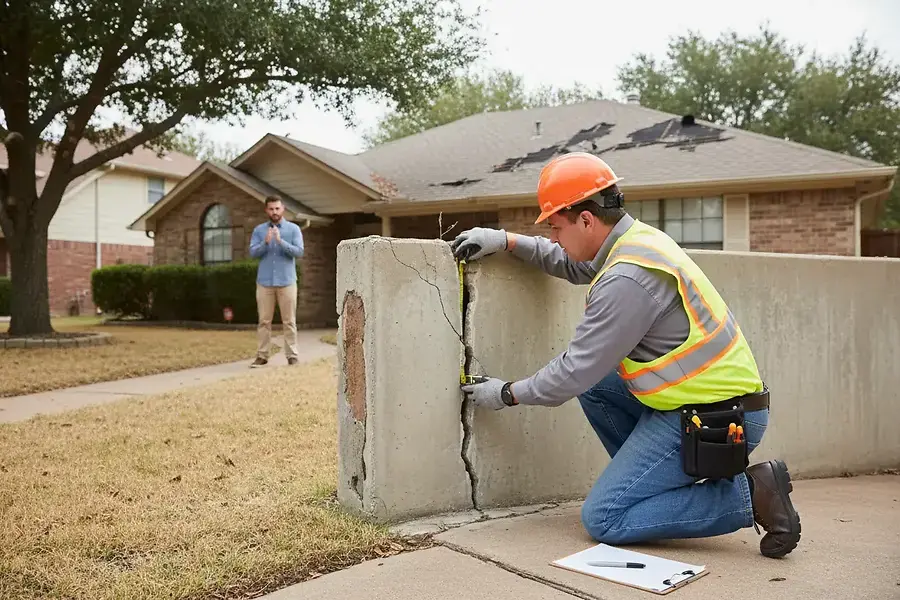
Why Professional Home Inspections Save You Money
Purchasing a home is one of the most significant financial decisions you'll make in your lifetime. In the Dallas-Fort Worth area, where the real estate market moves quickly, many buyers feel pressured to skip or minimize the home inspection process. This is a critical mistake. A professional home inspection can reveal thousands of dollars in hidden problems before you sign on the dotted line.
Home inspectors in Irving and the surrounding DFW region have identified consistent patterns of issues that plague properties in this area. Understanding these common problems empowers you to make informed decisions, negotiate effectively, and protect your investment for years to come.
Foundation, Structural, and Roof Problems Common in Irving Homes
Foundation Issues in the DFW Climate
The expansive clay soil common throughout Irving and the DFW metroplex creates unique challenges for home foundations. This soil expands when wet and contracts when dry, causing significant stress on concrete foundations. Inspectors frequently identify:
- Cracks in foundation walls – Both horizontal and stair-step patterns indicate serious movement
- Uneven floors – Sloping or bouncy floors suggest foundation settlement
- Gaps between walls and trim – A telltale sign of foundation shifting
- Bowing or leaning walls – Indicates structural compromise requiring immediate attention
Foundation repairs can cost $10,000 to $50,000 or more, making this one of the most critical inspection points. Don't ignore even minor cracks—they often indicate larger problems developing beneath the surface.
Roof Deterioration and Weather Damage
DFW weather is harsh on roofing materials. Intense sun, hail storms, and temperature fluctuations cause premature aging. Common roof issues inspectors find include:
- Missing or damaged shingles
- Curling or buckling roof material
- Inadequate attic ventilation leading to moisture damage
- Improper flashing around chimneys and vents
A roof replacement typically costs $8,000 to $15,000. If your inspection reveals significant damage, use this information to negotiate a credit toward repairs or a price reduction before closing.
HVAC, Plumbing, and Electrical System Issues to Watch For
HVAC System Failures
Your heating and cooling system is critical in the DFW climate. Inspectors frequently discover:
- Aging units nearing the end of their lifespan – Most systems last 15-20 years
- Improper refrigerant levels – Reduces efficiency and increases energy costs
- Dirty filters and coils – Restricts airflow and strains the system
- Thermostat malfunctions – Prevents proper temperature control
A new HVAC system can cost $5,000 to $10,000, so understanding the condition of the existing unit is essential. Request maintenance records and ask the seller about recent repairs or replacements.
Plumbing Concerns
Water-related issues are among the most expensive to repair. Inspectors look for:
- Galvanized or polybutylene pipes – These outdated materials corrode and fail, requiring replacement
- Slow drains or backups – Indicate clogs or deteriorating pipes
- Water pressure problems – May signal leaks or failing pressure regulators
- Evidence of previous water damage – Stains, mold, or soft spots in walls and ceilings
- Improper grading around the foundation – Allows water to pool and seep into basements
Replacing plumbing systems can cost $3,000 to $25,000 depending on the extent of the work needed. Early detection prevents catastrophic failures and mold growth.
Electrical System Deficiencies
Electrical problems pose serious safety risks. Inspectors commonly find:
- Outdated electrical panels – Older homes may have insufficient capacity for modern appliances
- Aluminum wiring – Creates fire hazards and requires professional remediation
- Missing ground fault circuit interrupters (GFCIs) – Required in kitchens, bathrooms, and outdoor areas
- Overloaded circuits – Increases fire risk
- Improper grounding – Leaves you vulnerable to electrical shock
Never overlook electrical issues. Upgrading an electrical system can cost $3,000 to $10,000, but the safety benefits are invaluable.
Using Inspection Reports to Negotiate Repairs and Close Confidently
Understanding Your Inspection Report
A comprehensive home inspection report details every system and component of the property. It categorizes findings by severity:
- Critical issues – Require immediate attention and pose safety risks
- Major concerns – Will likely need repair within a few years
- Minor issues – Maintenance items that don't require urgent action
Review the report carefully with your real estate agent. Ask questions about anything you don't understand. This document is your roadmap for negotiations.
Negotiation Strategies
Request seller repairs: For critical issues, ask the seller to complete repairs before closing. This ensures work is done properly and protects you from liability.
Negotiate a price reduction: If the seller won't repair issues, request a credit toward the purchase price. This gives you flexibility to hire contractors of your choice.
Obtain repair estimates: Get written quotes from licensed contractors for major issues. Use these to support your negotiation requests with concrete numbers.
Know your walk-away point: Determine the maximum amount you're willing to spend on repairs. If the inspection reveals problems exceeding this threshold, you have the right to walk away.
Closing with Confidence
A thorough inspection and thoughtful negotiation process give you peace of mind at closing. You'll understand exactly what you're purchasing and have addressed major concerns before taking ownership. This knowledge protects your investment and prevents costly surprises down the road.
Remember: A professional home inspection is not an expense—it's insurance for your most valuable asset. In the competitive DFW market, don't let pressure to move quickly compromise your due diligence. Take the time to inspect properly, negotiate fairly, and close confidently.


