Critical Home Inspection Issues in Delaware County and Media, PA Homes
Learn what inspectors look for and how to protect your investment before closing on a residential property.

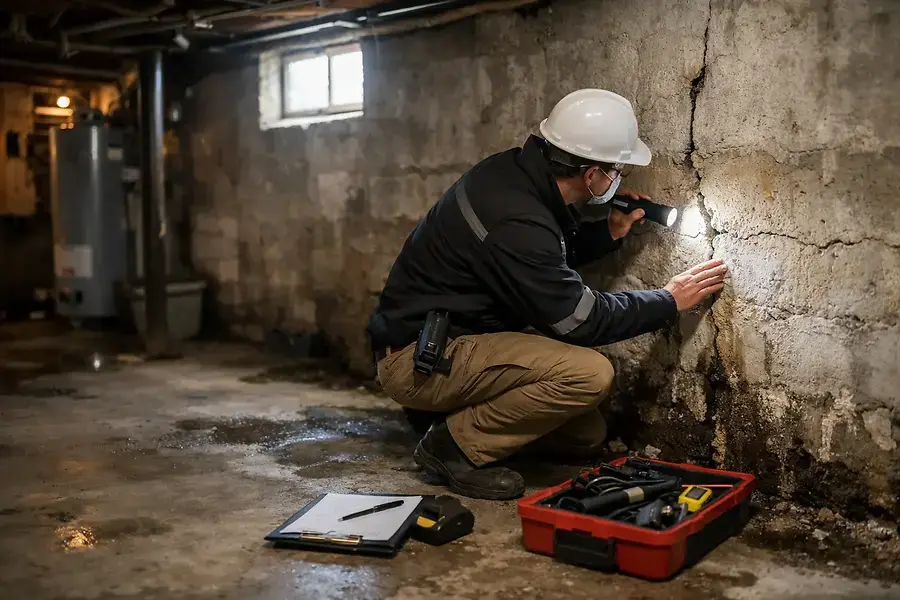
Why Home Inspections Matter for Delaware County Buyers
Purchasing a home is one of the most significant financial decisions you'll make in your lifetime. In Delaware County and Media, PA, where many properties range from charming historic homes to modern developments, a thorough home inspection is essential to protecting your investment. A professional home inspection provides an objective assessment of a property's condition, identifying potential issues before you commit to the purchase.
Home inspectors examine everything from the foundation to the roof, evaluating structural integrity, safety systems, and overall functionality. Understanding what inspectors look for—and what common issues they discover—empowers you to make informed decisions and negotiate effectively with sellers.
Common Structural and Foundation Issues Found in Older Homes
Foundation Problems and Settlement
Many homes in Delaware County were built decades ago, and foundation issues are among the most frequently discovered problems. Inspectors look for:
- Cracks in the foundation – Both horizontal and vertical cracks can indicate settling or structural stress
- Water intrusion and dampness – Moisture in basements or crawl spaces suggests poor drainage or sealing
- Uneven floors – Sloping or sagging floors may indicate foundation settlement or joist deterioration
- Bowing walls – Walls that curve inward can signal serious structural problems requiring immediate attention
Foundation repairs can be costly, ranging from minor sealing work to major structural reinforcement. During your inspection, ask your inspector to clarify the severity of any cracks and whether they pose immediate safety concerns.
Roof and Exterior Deterioration
The roof is your home's first line of defense against the elements. Inspectors evaluate roofing materials, flashing, gutters, and overall condition. Common issues include:
- Missing or damaged shingles
- Deteriorated flashing around chimneys and vents
- Clogged or damaged gutters
- Signs of leaks or water damage in attics
A roof replacement can cost thousands of dollars, making this one of the most important areas to assess carefully.
Systems and Safety Concerns: Electrical, Plumbing, and HVAC Problems
Electrical System Issues
Outdated or faulty electrical systems pose serious safety risks. Inspectors look for:
- Outdated wiring – Older homes may have aluminum wiring or knob-and-tube wiring, which can be fire hazards
- Insufficient outlets and circuits – Modern homes require more electrical capacity than older properties were designed for
- Improper grounding – Two-prong outlets in bathrooms and kitchens indicate safety violations
- Overloaded panels – Electrical panels that are at or near capacity limit future upgrades
- GFCI protection – Ground Fault Circuit Interrupter outlets should be present in wet areas
Electrical upgrades can be expensive but are essential for safety and insurance compliance.
Plumbing Concerns
Water damage is one of the costliest issues homeowners face. Inspectors evaluate:
- Pipe material and age – Galvanized pipes may be corroded; polybutylene pipes are prone to failure
- Water pressure and flow – Low pressure may indicate mineral buildup or pipe deterioration
- Drainage issues – Slow drains or backups suggest blockages or improper slope
- Water heater condition – Age, rust, and leaks are critical factors in replacement planning
- Visible leaks – Under-sink leaks, water stains, and mold indicate active water problems
Plumbing repairs range from simple fixes to complete repiping, which can be a major expense.
HVAC System Functionality
Heating, ventilation, and air conditioning systems are vital for comfort and indoor air quality. Inspectors assess:
- Age and condition of furnaces and air conditioning units
- Proper ventilation and ductwork integrity
- Carbon monoxide detector presence and functionality
- Thermostat operation and system efficiency
HVAC systems typically last 15-20 years, so age is a critical factor in your inspection report.
Additional Safety Concerns
Beyond major systems, inspectors check for:
- Asbestos and lead paint – Common in homes built before the 1980s; professional testing may be needed
- Mold and moisture – Health hazards that require remediation
- Radon – A colorless, odorless gas that can accumulate in basements
- Pest damage – Termites, carpenter ants, and rodents can cause structural damage
Using Inspection Reports to Negotiate and Make Confident Offers
Once you receive your inspection report, you have several options:
Request repairs: Ask the seller to fix critical issues before closing. This is most effective for safety concerns and major system failures.
Negotiate a price reduction: If repairs are needed, request a credit to cover the costs. This gives you flexibility to choose your own contractors.
Walk away: If the inspection reveals extensive problems that exceed your budget or comfort level, you can withdraw your offer—provided you're still within your inspection contingency period.
Plan for future improvements: For minor issues or cosmetic concerns, you may choose to proceed with the purchase and budget for repairs after closing.
The key is understanding the severity and cost of identified issues. Your inspector can help prioritize concerns by distinguishing between immediate safety hazards and deferred maintenance items.
Final Thoughts
A comprehensive home inspection is your best defense against costly surprises after closing. In Delaware County and Media, PA, where homes vary widely in age and condition, professional inspection expertise is invaluable. By understanding what inspectors look for and how to interpret their findings, you can negotiate confidently, protect your investment, and move forward with peace of mind.
Don't skip the inspection or rush through the process. Take time to review the report thoroughly, ask questions, and make informed decisions about your home purchase. Your future self will thank you.