Critical Home Inspection Issues in Greater Houston Area Suburbs
Learn the critical issues that can cost you thousands and how to spot them before closing.

Why Home Inspections Matter in the Houston Area
Purchasing a home is one of the most significant financial decisions you'll make in your lifetime. In the Greater Houston area suburbs, where rapid development and unique climate conditions create specific challenges, a thorough home inspection becomes absolutely essential. Many homebuyers overlook critical issues during the inspection phase, only to discover expensive problems after closing—problems that could have been identified and negotiated beforehand.
The Houston suburbs present unique environmental and structural challenges that differ from other regions. The combination of clay-heavy soil, high humidity, intense heat, and occasional flooding creates conditions that can rapidly deteriorate homes if not properly maintained. A professional home inspection can reveal these issues before they become catastrophic and costly.
Understanding what inspectors look for and what questions to ask can save you thousands of dollars and prevent years of headaches.
Common Structural and Foundation Issues in Suburban Houston Properties
Foundation Settlement and Cracking
The clay-based soil prevalent throughout the Houston suburbs is highly expansive, meaning it swells when wet and shrinks when dry. This constant movement creates significant stress on home foundations, leading to:
- Visible cracks in foundation walls and concrete slabs
- Uneven floors and sloping surfaces inside the home
- Gaps between walls and ceilings or floors
- Sticking doors and windows that won't close properly
Minor hairline cracks may be cosmetic, but diagonal cracks wider than 1/4 inch or horizontal cracks require immediate professional evaluation. Foundation repairs in the Houston area can range from $3,000 to $25,000 or more, depending on severity.
Pier and Beam Foundation Problems
Many older suburban Houston homes sit on pier and beam foundations rather than concrete slabs. These foundations are susceptible to:
- Rotting wooden support posts from moisture exposure
- Rusted or corroded metal supports
- Inadequate ventilation leading to mold and decay
- Sagging floors and structural instability
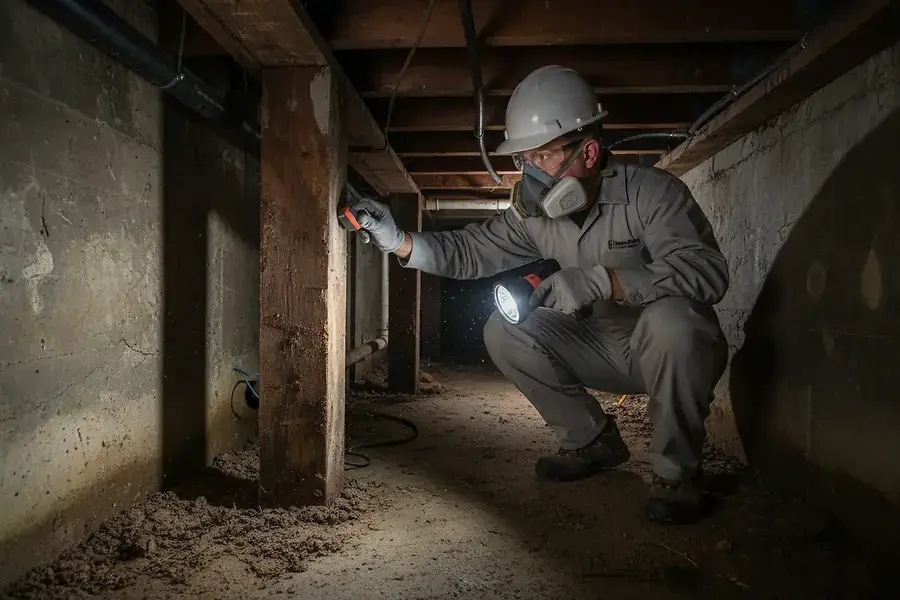
During inspection, ensure the inspector crawls beneath the home to assess the condition of support structures. This is not an area to skip or rush through.
Roof and Attic Concerns
Houston's intense sun and occasional severe weather take a toll on roofing systems. Look for:
- Curling, buckling, or missing shingles
- Granule loss indicating age and deterioration
- Inadequate attic ventilation and insulation
- Signs of previous water intrusion or leaks
A roof replacement typically costs $8,000-$15,000, so identifying its condition before purchase is critical.
Water Damage, Mold, and Climate-Related Concerns Specific to the Region
Water Intrusion and Moisture Problems
The Houston area's high humidity and occasional heavy rainfall create perfect conditions for water damage. During inspection, inspectors should check for:
- Water stains on ceilings, walls, and in crawl spaces
- Soft or spongy drywall indicating moisture absorption
- Efflorescence (white powdery deposits) on basement or foundation walls
- Improper grading around the foundation that directs water toward the home
Water damage is often hidden behind walls and ceilings, making professional inspection equipment essential for detection.
Mold Growth and Health Concerns
Where there's moisture, mold follows. Houston's climate makes mold growth a persistent concern. During your inspection:
- Ask the inspector to use moisture meters in suspicious areas
- Look for visible mold growth in bathrooms, basements, and crawl spaces
- Check HVAC systems for mold contamination
- Inquire about previous water damage or flooding
Mold remediation can cost $2,000-$6,000 or more depending on the extent of contamination. Some mold types pose serious health risks, particularly for children and those with respiratory conditions.
HVAC System Efficiency
Air conditioning systems work overtime in the Houston suburbs. An aging or inefficient HVAC system will cost you significantly in energy bills. During inspection, verify:
- The age of the air conditioning unit (units over 15 years old may need replacement)
- Proper refrigerant levels and system maintenance records
- Adequate ductwork insulation and sealing
- Proper drainage from condensation lines
A new HVAC system installation can exceed $8,000, so knowing the condition beforehand helps with negotiations.
Flooding and Drainage Issues
Even homes not in designated flood zones can experience water problems. Check for:
- Proper drainage systems and gutters directing water away from the foundation
- Sump pump presence and functionality in areas prone to water accumulation
- Evidence of previous flooding in basements or crawl spaces
- Flood insurance requirements and costs
"A home that has flooded once is statistically more likely to flood again. Understanding the property's flood history is crucial to your decision-making process."
Making Informed Decisions with Professional Guidance
The key to protecting your investment in a Greater Houston suburbs home is hiring a qualified, experienced home inspector who understands the region's specific challenges. Don't simply accept the inspector's report—attend the inspection, ask questions, and request detailed explanations of any concerns.
Once you receive the inspection report, use it as a negotiation tool. If significant issues are discovered, you have several options:
- Request the seller make repairs before closing
- Negotiate a price reduction to account for repairs you'll make
- Request an escrow account for future repairs
- Walk away from the deal if issues are too severe
Remember, you have the most leverage before you sign the final papers. Use the inspection period wisely.
The Houston suburbs offer wonderful communities and homes, but the region's unique environmental conditions demand careful attention during the home buying process. By understanding common issues, hiring qualified professionals, and asking the right questions, you can make an informed decision that protects your financial future and ensures your new home is safe, sound, and worth the investment.


