Critical Home Inspection Issues in Rincon, Savannah, and Dallas Markets
Learn what experienced inspectors look for to protect your investment in these competitive real estate markets.

Why Home Inspections Matter Across Different Markets
Purchasing a home is one of the largest financial decisions most people make in their lifetime. Whether you're buying in the competitive markets of Rincon, Savannah, or Dallas, a thorough home inspection is your best defense against costly surprises. Each region presents unique challenges based on climate, age of properties, and local building practices.
A professional home inspection goes far beyond a casual walkthrough. Experienced inspectors examine structural integrity, electrical systems, plumbing, HVAC units, and countless other components that determine a property's true condition. In competitive markets where homes sell quickly, buyers who skip or rush inspections often find themselves facing unexpected repair bills within months of closing.
The stakes are high, and knowledge is power. Understanding what inspectors look for in your specific market helps you make informed decisions and negotiate effectively with sellers.
Structural and Foundation Issues Common in Rincon and Savannah Homes
Foundation Concerns in Coastal Georgia
Homes in Rincon and Savannah face unique foundation challenges due to the region's soil composition and moisture levels. The sandy, shifting soils common to coastal Georgia can cause foundations to settle unevenly over time. Inspectors pay close attention to:
- Cracks in foundation walls or concrete slabs
- Uneven or sloping floors that indicate settling
- Water intrusion in basements or crawl spaces
- Evidence of previous foundation repairs or underpinning
- Moisture barriers and drainage systems around the foundation
Many older homes in Savannah were built with brick or tabby foundations that require specialized knowledge to assess. These historical materials can be beautiful but demand careful inspection for deterioration and structural soundness.
Wood Rot and Moisture Damage
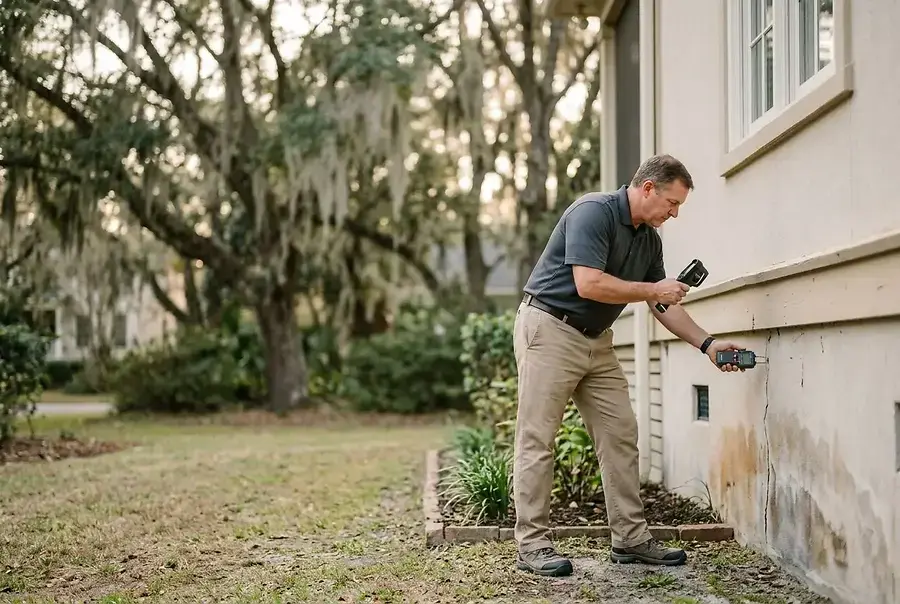
The humid subtropical climate of coastal Georgia creates ideal conditions for wood rot and termite damage. Professional inspectors use moisture meters and thermal imaging to detect hidden damage behind walls and under flooring. Key areas of concern include:
- Wooden support beams and joists in crawl spaces
- Exterior trim, fascia, and soffit materials
- Window frames and door jambs
- Attic framing and roof decking
Termite damage can compromise structural integrity significantly, making pest inspection reports essential in this region. Many buyers in Rincon and Savannah require termite bonds as part of their purchase agreements.
Climate-Related Concerns in Dallas and Coastal Georgia Properties
Roof and Weather Exposure Issues
Both Dallas and coastal Georgia experience severe weather that takes a toll on roofing systems. In Dallas, intense sun exposure and occasional hail storms damage shingles and create leaks. Coastal properties face salt spray corrosion and hurricane-force winds. Inspectors evaluate:
- Shingle condition, curling, and granule loss
- Flashing integrity around chimneys and vents
- Gutter and downspout functionality
- Attic ventilation and moisture accumulation
- Age of the roof and remaining lifespan
A roof replacement can cost $10,000 to $25,000 or more, making this one of the most critical inspection areas. Buyers should request recent roof inspections or budget for replacement if the roof is nearing the end of its serviceable life.
HVAC System Performance
Dallas summers are scorching, and coastal Georgia summers are humid and hot. Both regions demand reliable air conditioning systems. Inspectors test HVAC units for proper cooling capacity, refrigerant levels, and overall efficiency. They also assess:
- Age and maintenance history of the system
- Proper ductwork installation and sealing
- Thermostat functionality and accuracy
- Filter accessibility and condition
An aging or failing HVAC system in these climates isn't just uncomfortable—it's a serious concern that affects daily livability and energy costs.
Electrical and Plumbing Systems
Older homes in Savannah may have outdated electrical panels or aluminum wiring that poses fire hazards. Dallas properties sometimes feature inadequate electrical capacity for modern appliances and technology. Inspectors examine:
- Electrical panel condition and capacity
- Presence of GFCI outlets in wet areas
- Proper grounding and bonding
- Water pressure and flow rates
- Pipe materials and corrosion signs
- Water heater age and condition
Plumbing issues in coastal areas can be complicated by salt water intrusion or mineral deposits that affect water quality and system longevity.
Action Steps: Getting Professional Inspections and Negotiating Repairs
Choosing the Right Inspector
Not all home inspectors are created equal. Look for inspectors who are:
- Licensed and certified in your state
- Members of professional organizations like ASHI or NAHI
- Experienced with properties in your specific market
- Willing to provide detailed written reports
- Available to walk through the property with you
Ask for references from recent clients and verify their credentials before hiring. In competitive markets, it's worth paying for a thorough inspection rather than cutting corners.
Understanding the Inspection Report
A comprehensive inspection report categorizes findings by severity. Critical issues require immediate attention, while minor items can often be addressed over time. Review the report carefully and ask your inspector to explain any findings you don't understand.
Take photos or videos during the inspection walkthrough so you can reference specific areas when negotiating with the seller.
Negotiating Repairs and Credits
Once you have the inspection report, you have several options:
- Request repairs: Ask the seller to fix critical issues before closing
- Request credits: Negotiate a price reduction to cover repair costs yourself
- Walk away: If issues are too severe or costly, you can terminate the purchase
- Compromise: The seller fixes some items while you accept credits for others
In competitive markets like Dallas and Savannah, sellers may be less willing to negotiate. However, significant structural or safety issues give you legitimate leverage. Document everything in writing and work through your real estate agent to keep negotiations professional.
Post-Purchase Planning
Even after closing, use the inspection report as a maintenance roadmap. Address deferred maintenance items systematically to prevent small problems from becoming expensive disasters. Schedule regular HVAC maintenance, roof inspections, and pest treatments based on your region's specific needs.
A well-maintained home protects your investment and ensures years of comfortable living in Rincon, Savannah, Dallas, or any market you choose.