Critical Home Inspection Red Flags Every Buyer Should Know Before Making an Offer
Learn the warning signs that could save you thousands in unexpected repairs and help you make informed purchasing decisions across Western markets.

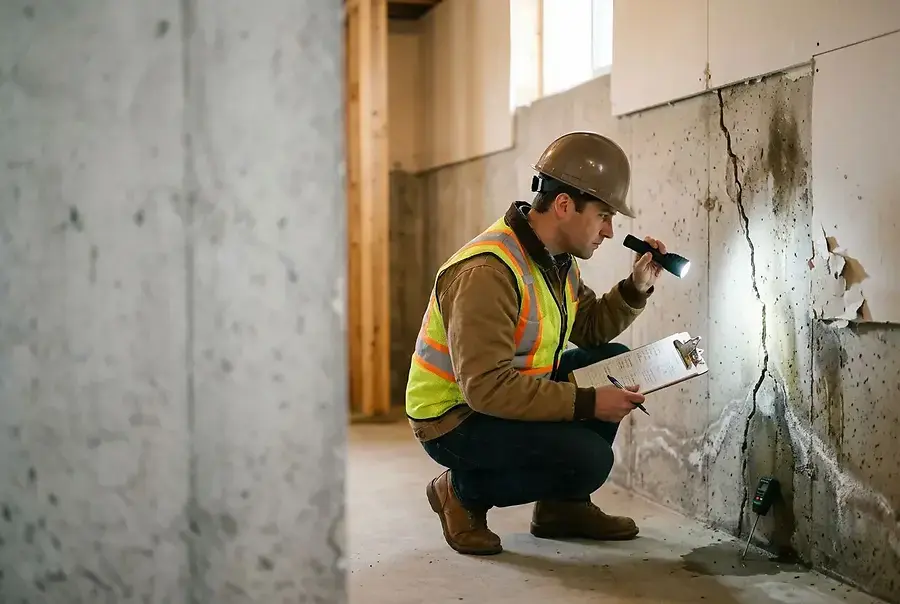
Introduction: Why Home Inspections Matter for Your Investment
Purchasing a home is one of the most significant financial decisions you'll make in your lifetime. While the excitement of finding your dream property can be overwhelming, it's crucial to take a step back and evaluate the property's true condition before committing to an offer. A professional home inspection is your best defense against costly surprises and hidden problems that could drain your savings.
Many buyers skip or rush through the inspection process, viewing it as an unnecessary expense. However, this approach can be extremely costly. A thorough home inspection can reveal issues that might not be immediately visible to the untrained eye, from structural damage to failing systems. Understanding the red flags that inspectors look for can empower you to make informed decisions and negotiate better terms with sellers.
Structural and Foundation Issues: The Most Costly Red Flags
Foundation Cracks and Settlement Problems
The foundation is the literal backbone of any home. Cracks in the foundation are among the most serious red flags you can encounter during an inspection. While minor hairline cracks are common and often harmless, larger cracks—especially those wider than a quarter inch or those that are growing—indicate serious structural problems.
Look for these warning signs:
- Horizontal cracks running across the foundation
- Stair-step cracks in brick or concrete
- Bowing or leaning walls
- Water seepage or dampness in the basement
- Uneven or sloping floors inside the home
Foundation repairs can cost anywhere from $5,000 to $50,000 or more, making this one of the most expensive issues to address. If you notice these signs, request a specialized foundation inspection from a structural engineer before proceeding.
Roof Condition and Age
A failing roof is another major red flag that can lead to thousands in repairs. The average roof replacement costs between $8,000 and $15,000, depending on the size and materials used. During an inspection, pay attention to:
- Missing, curled, or damaged shingles
- Sagging roof lines
- Moss or algae growth indicating moisture problems
- Visible water stains on ceilings or attic areas
- Roof age—most asphalt shingles last 15-20 years
Ask the inspector for the roof's estimated remaining lifespan. If it's nearing the end of its life, factor replacement costs into your offer negotiations.
Systems and Safety Concerns: Electrical, Plumbing, and HVAC Problems
Electrical System Issues
Outdated or faulty electrical systems pose serious safety risks and can be expensive to upgrade. Red flags include:
- Aluminum wiring (a fire hazard common in homes built in the 1960s-1970s)
- Knob-and-tube wiring (outdated and dangerous)
- Insufficient electrical capacity for modern appliances
- Frequent circuit breaker trips
- Outlets that don't work or outlets in bathrooms without GFCI protection
- Exposed wiring or improper grounding
Electrical upgrades can range from $3,000 to $25,000 depending on the extent of the work needed. This is not an area to compromise on, as faulty electrical systems can lead to fires and electrocution hazards.
Plumbing Problems
Water damage from plumbing issues can be catastrophic. During an inspection, watch for:
- Low water pressure or slow drains
- Water stains on ceilings or walls
- Corrosion on pipes (especially galvanized or polybutylene pipes)
- Outdated plumbing materials that are prone to failure
- Signs of mold or mildew indicating moisture problems
- Sump pump failures or inadequate drainage
Replacing old plumbing can cost $10,000 to $30,000 or more. Polybutylene pipes, used in many homes built between 1978 and 1995, are particularly problematic and prone to failure.
HVAC System Failures
Heating, ventilation, and air conditioning systems are essential for comfort and safety. A new HVAC system can cost $5,000 to $15,000. Red flags include:
- Age of the system—most units last 15-20 years
- Uneven heating or cooling throughout the home
- Strange noises or odors from the system
- Rust or corrosion on the unit
- Lack of regular maintenance records
- Refrigerant leaks or inadequate airflow
Request maintenance records and ask when the system was last serviced. If it's approaching the end of its lifespan, budget for replacement costs.
Mold and Air Quality Concerns
Mold is a serious health hazard that can develop in damp areas like basements, bathrooms, and attics. Signs of mold include:
- Visible black or green spots on surfaces
- Musty odors
- Water stains or moisture damage
- History of water intrusion or flooding
Mold remediation can be expensive and may require professional intervention. If mold is suspected, request a specialized mold inspection before proceeding with your offer.
Conclusion: Making Confident Offers with Professional Inspection Knowledge
A thorough home inspection is your opportunity to uncover potential problems before they become your responsibility. By understanding these critical red flags—from foundation issues to system failures—you can approach your home purchase with confidence and knowledge.
Remember: A professional home inspection is an investment that can save you tens of thousands of dollars in unexpected repairs and provide peace of mind about your purchase.
Always hire a qualified, licensed home inspector with experience in your local market. Don't hesitate to request specialized inspections for specific concerns, such as structural, mold, or pest inspections. Use the inspection report as a negotiating tool to request repairs, credits, or price reductions for significant issues.
By taking the time to understand what inspectors look for and what these red flags mean, you're taking control of one of the most important financial decisions of your life. Make informed choices, ask the right questions, and never skip the inspection process—your future self will thank you.